

URBANIZATIONS
Urbanization refers to the systematic development of infrastructure and services required to transform undeveloped land into functional urban environments
Rome
Pietralata
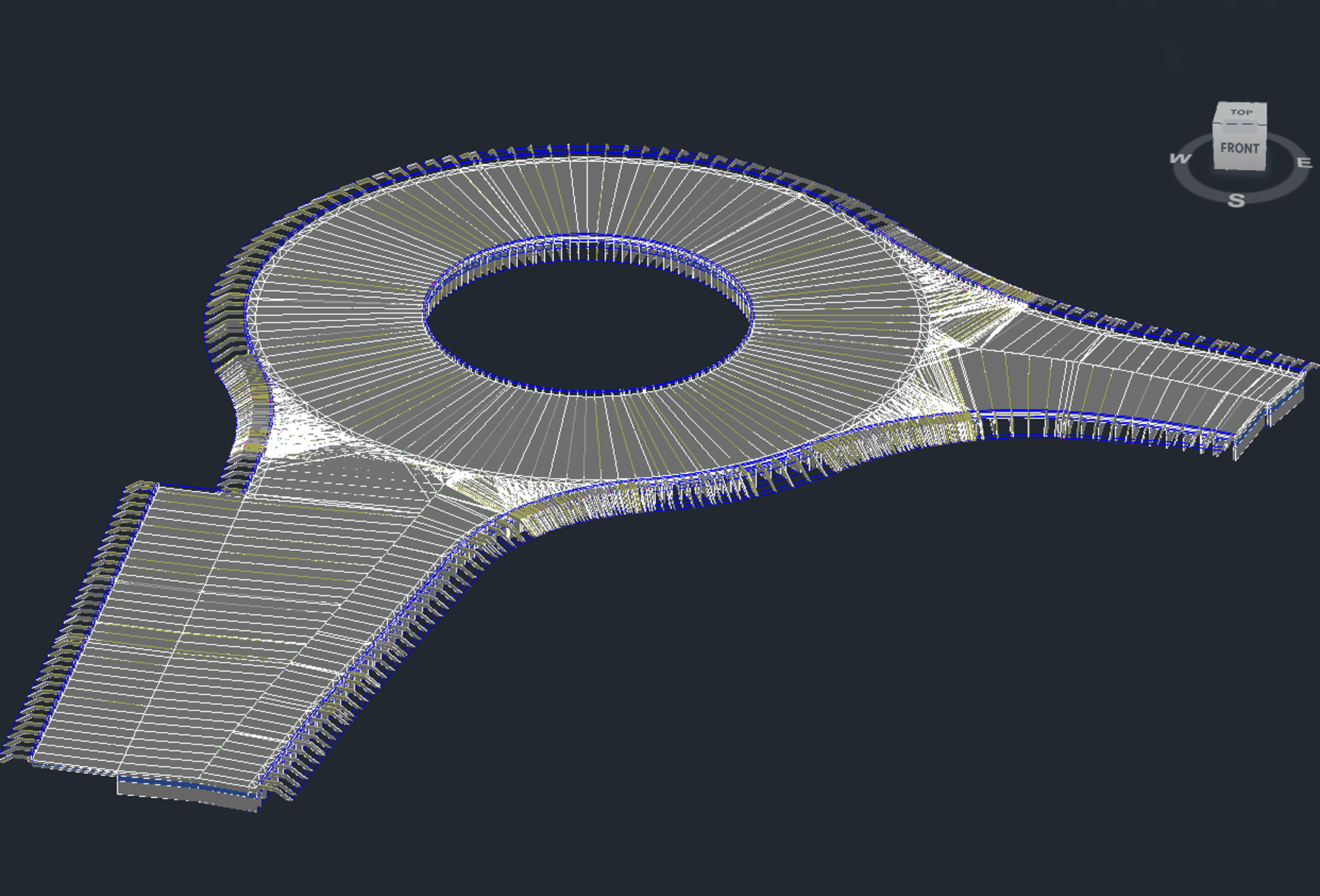
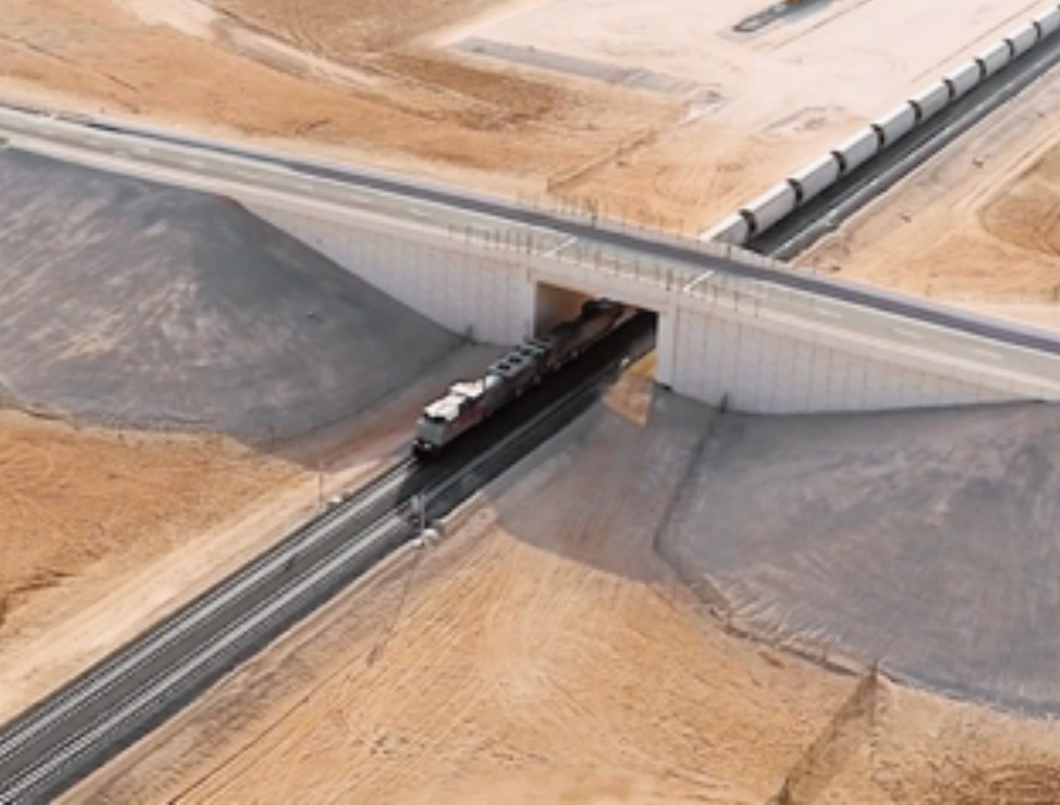
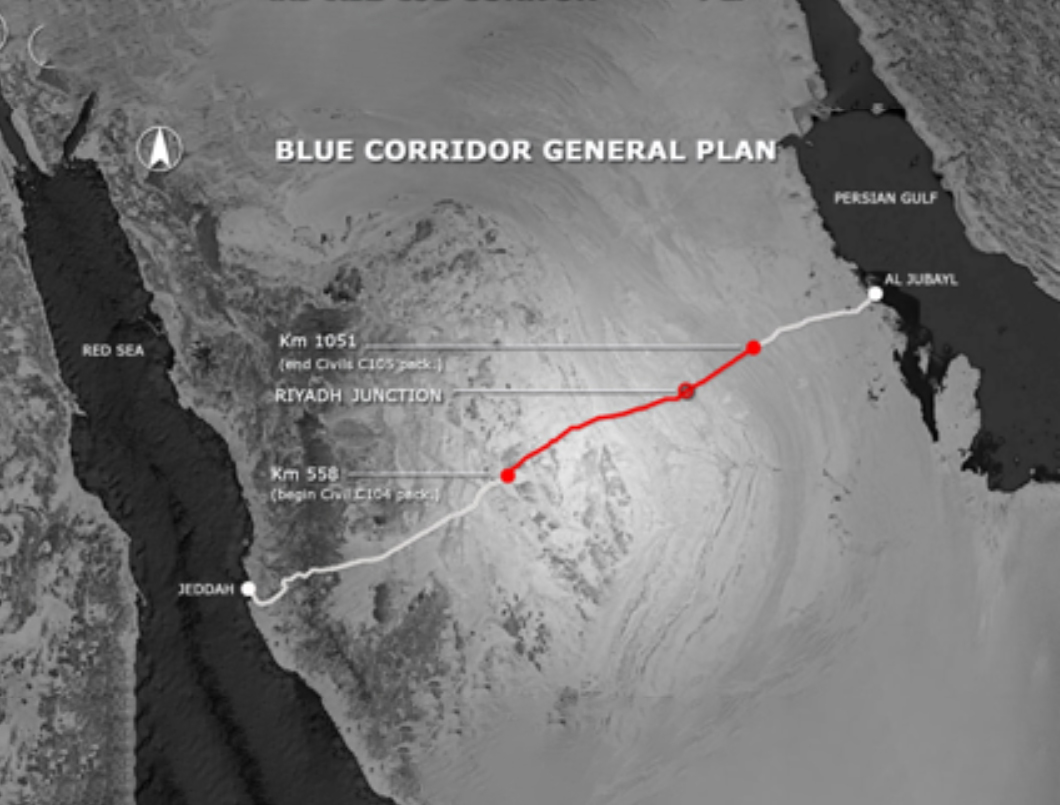
 The Saudi Landbridge Project is a major railway initiative aimed at connecting Jeddah on the Red Sea with Riyadh, and further linking to Dammam on the Persian Gulf. The project involves constructing approximately 1,500 km of new railway tracks, facilitating both freight and passenger transport. It is expected to boost Saudi Arabia’s logistics sector and support the country’s Vision 2030 goals. Construction is anticipated to begin in 2025
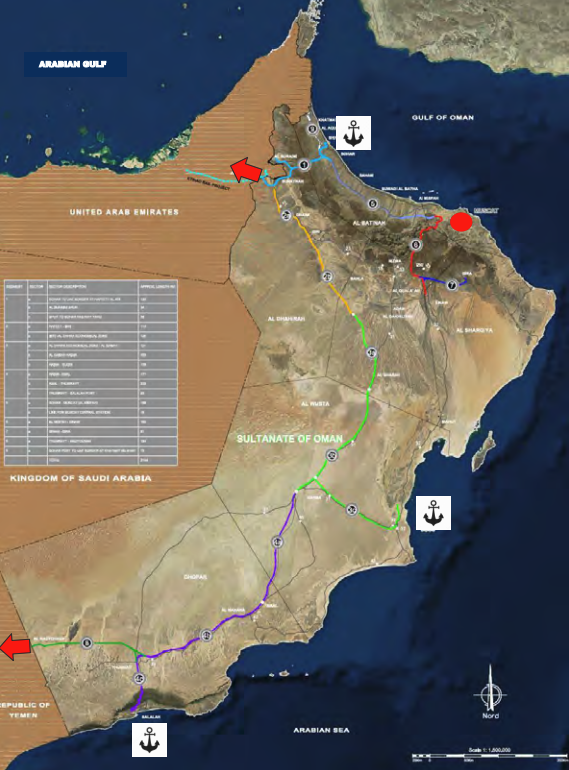
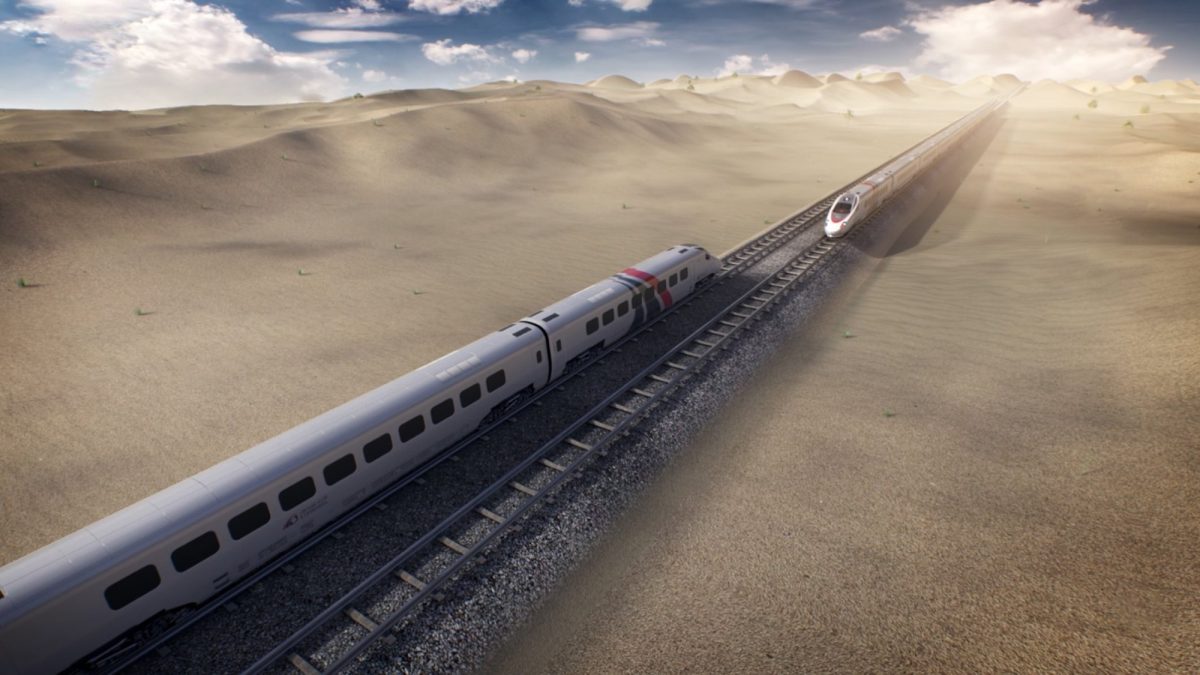
The Oman National Railway Project is a major infrastructure initiative aimed at developing a 2,224-kilometer railway network across Oman. The project is designed to support both passenger travel and freight transport, connecting key cities, ports, and industrial hubs within Oman and linking to the broader Gulf Cooperation Council (GCC) railway network.
The railway will feature high-speed trains capable of reaching 350 km/h for passengers and 200 km/h for freight. It includes 46 stations, multiple intermodal yards, and a double-track system with a standard 1,435 mm gauge. The network is expected to enhance economic growth, trade efficiency, and sustainable urban expansion
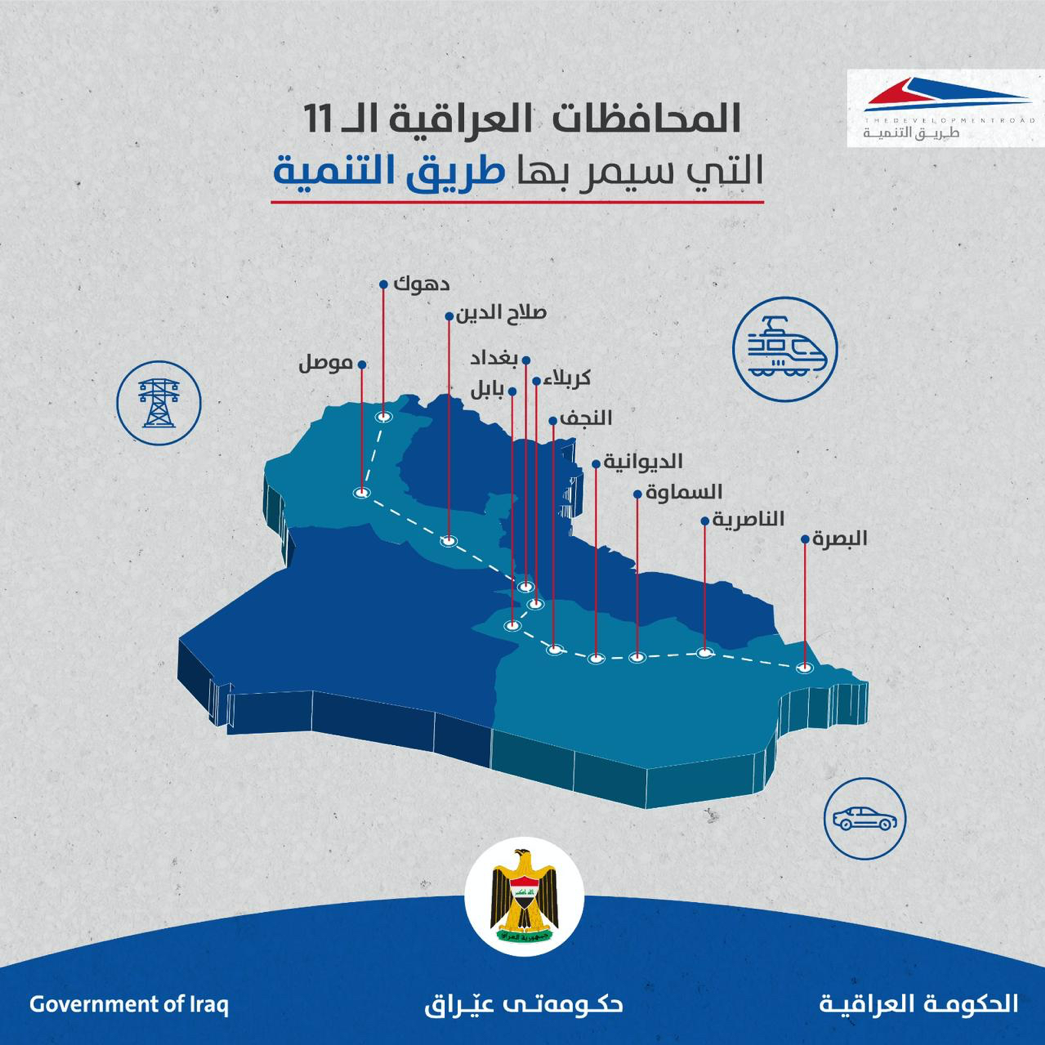
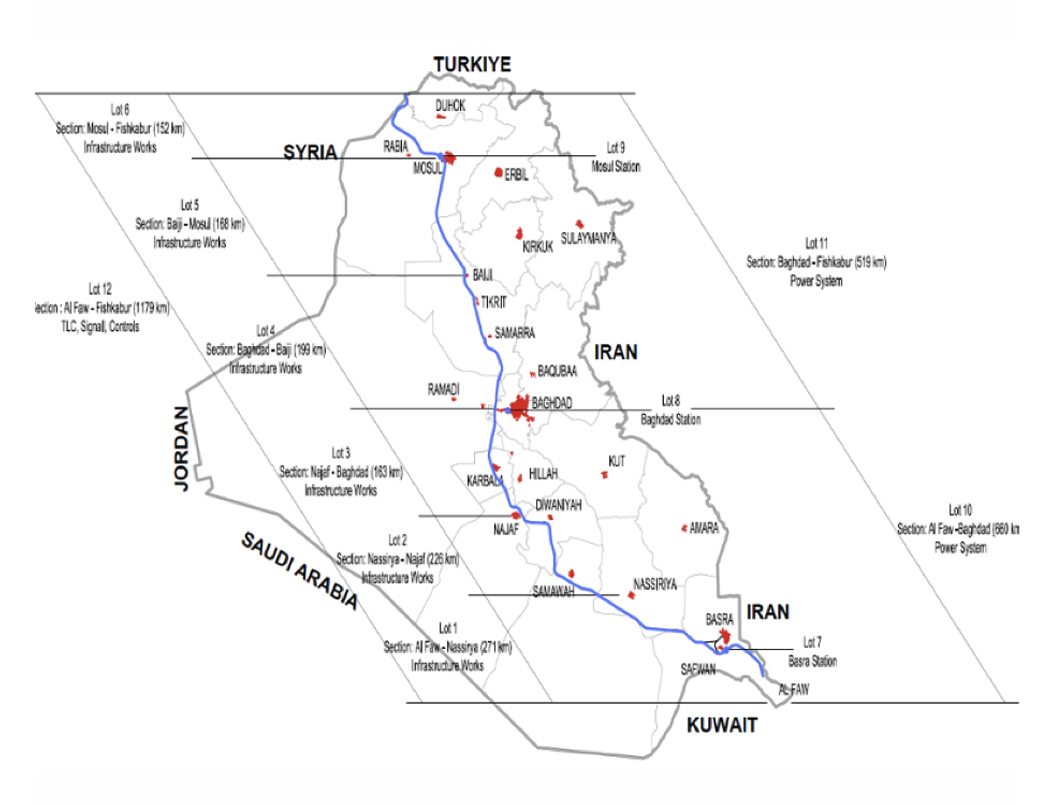
The Iraq Railway Project is a major initiative aimed at modernizing and expanding Iraq’s railway network to improve passenger and freight transport. The project focuses on rehabilitating existing tracks, upgrading locomotive equipment, and implementing signal control systems to enhance efficiency.
Key developments include the Baghdad Metro Rail Project, a $17.5 billion investment designed to transform urban transportation, and the Basra-Shalamcheh Line, which will facilitate travel between Iraq and Iran. Additionally, several long-closed railway lines have been reopened, including the Baghdad-Fallujah and Baghdad-Samarra routes
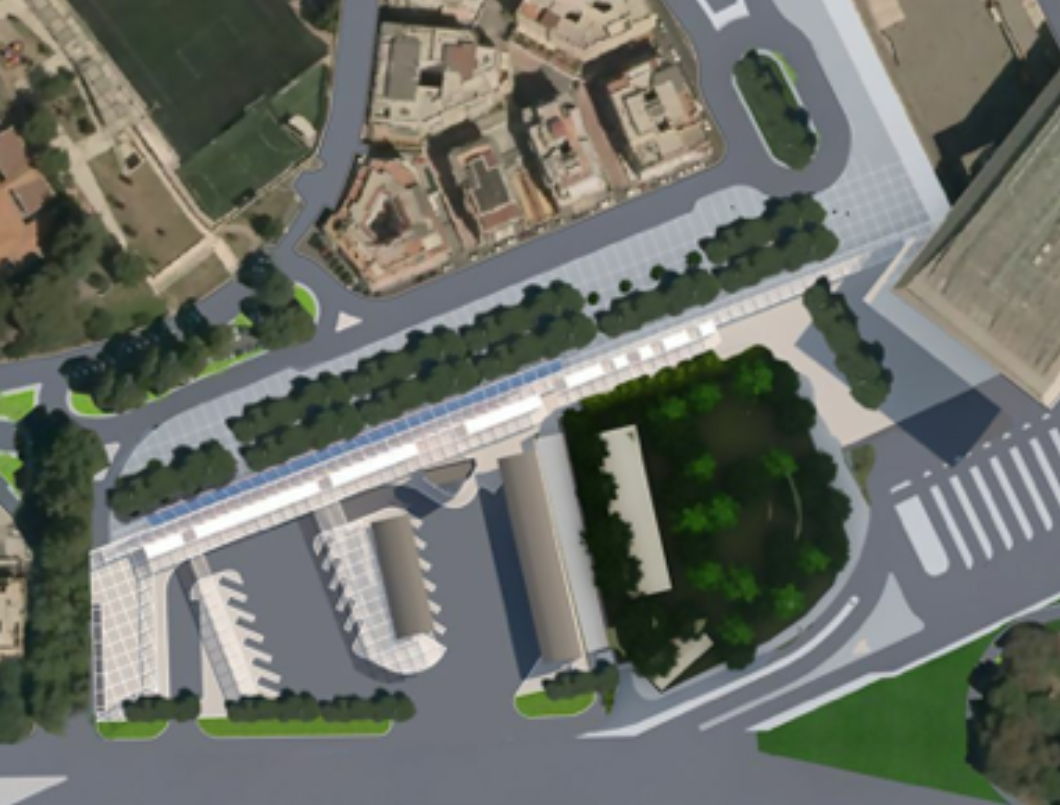
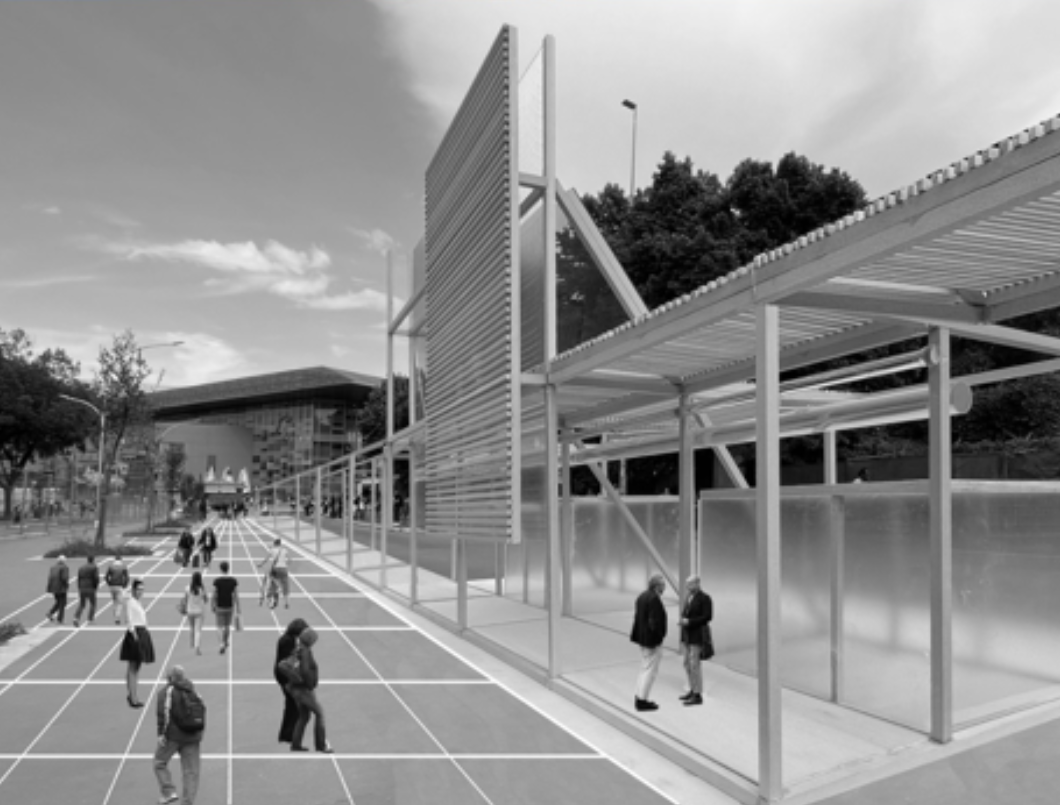
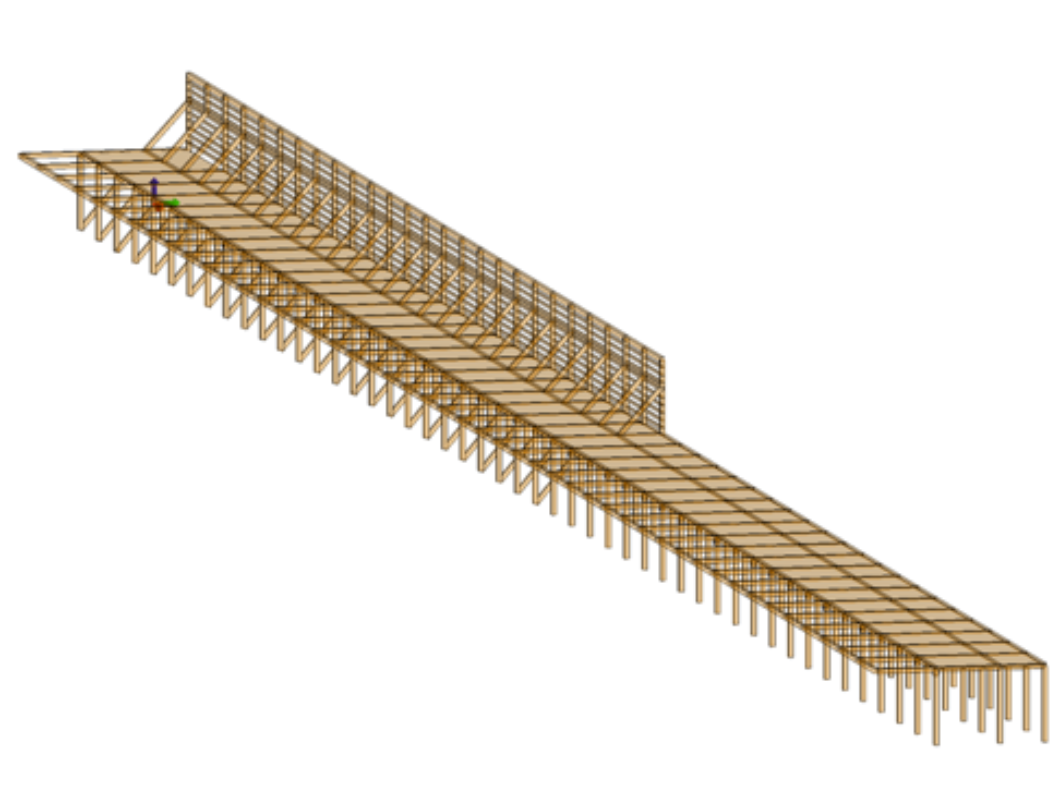
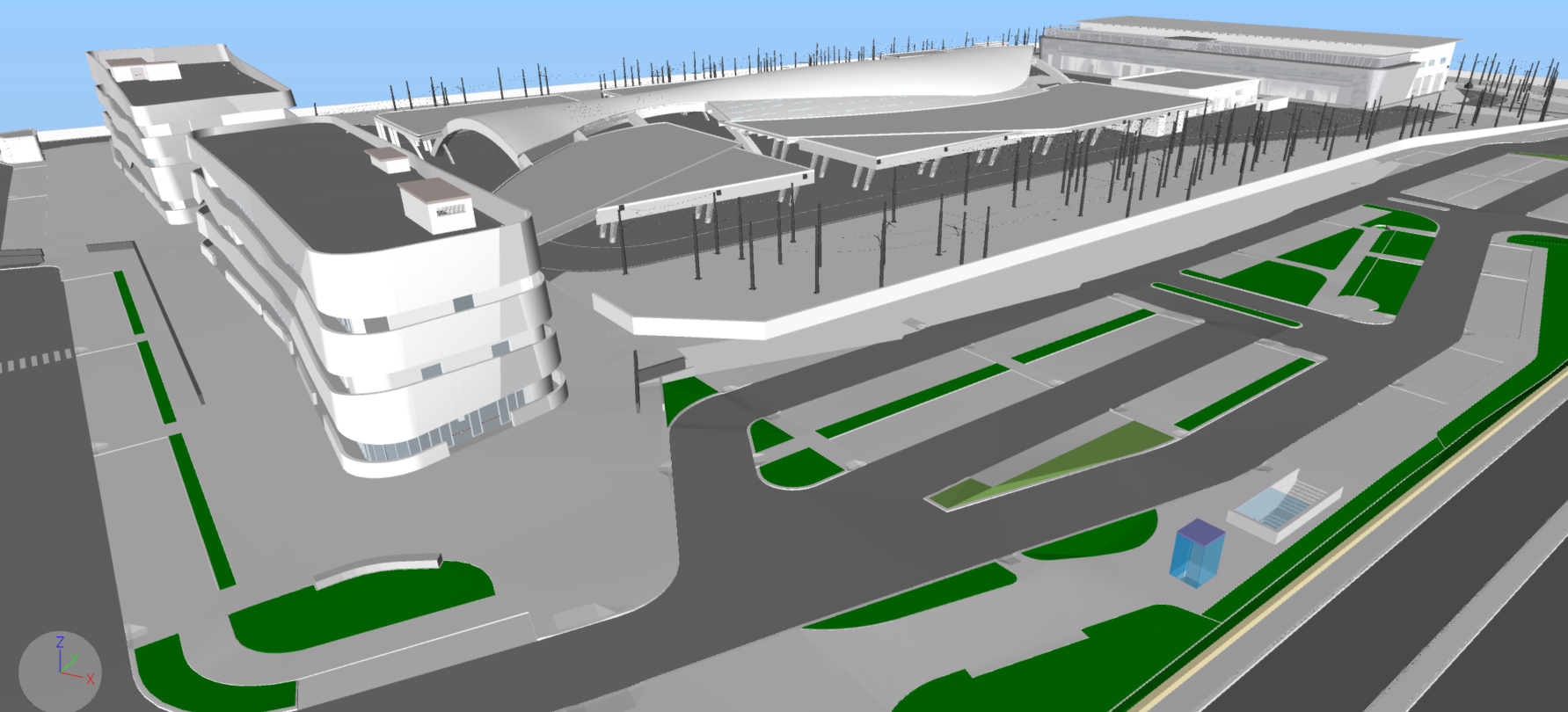
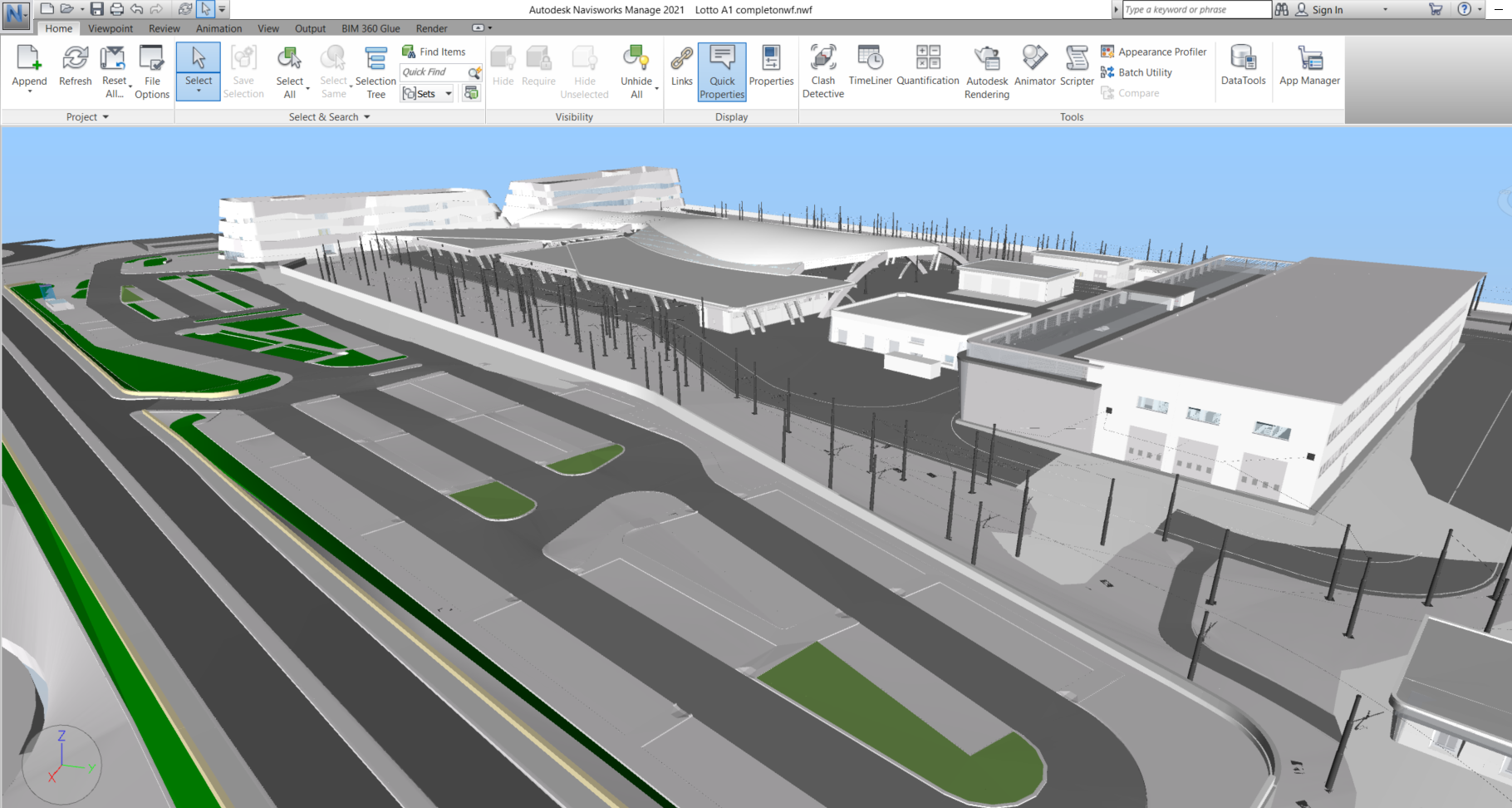
The project entails the structural design of a series of overhead canopies intended to provide shelter and environmental protection for passengers within the Tibus Bus Terminal. The canopies are conceived as lightweight steel-framed structures with modular geometry to accommodate varying platform configurations. The design prioritizes structural efficiency, ease of prefabrication, and rapid on-site assembly. Wind and snow loads are assessed in accordance with Eurocode provisions (EN 1991), while connection details are optimized to minimize thermal bridging and facilitate routine maintenance. The foundations, typically shallow footings or micropiles depending on soil stratigraphy, are designed to accommodate existing underground utilities and minimize interference with terminal operations during construction.
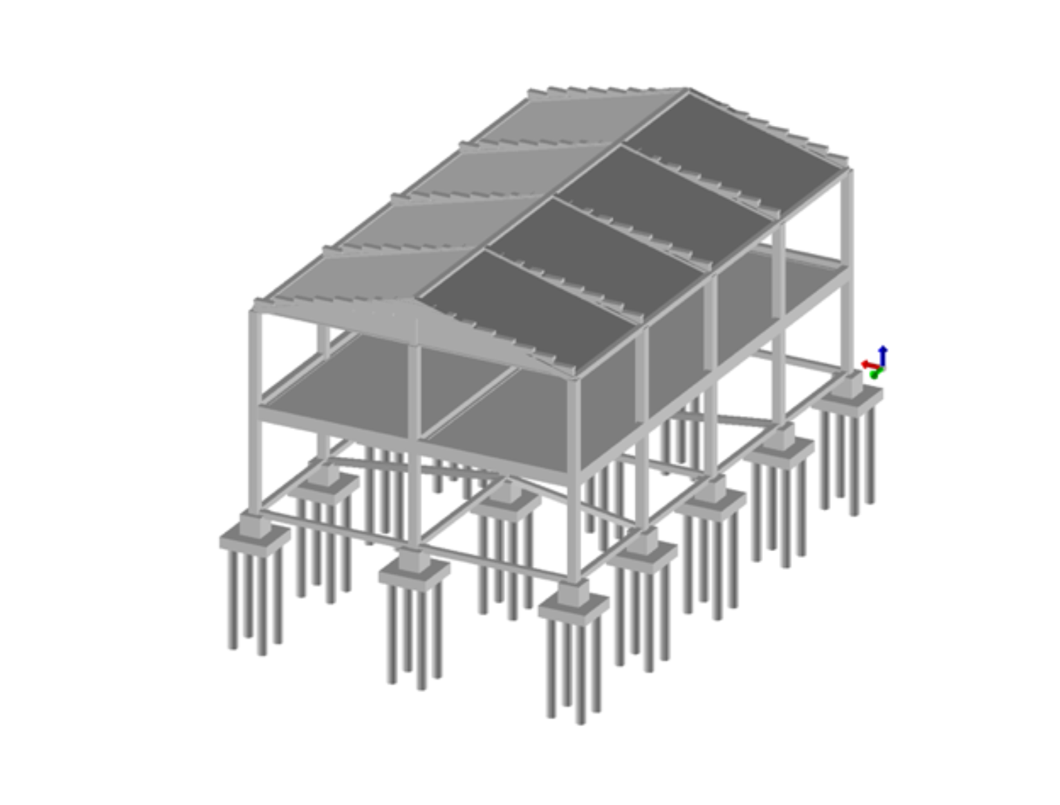
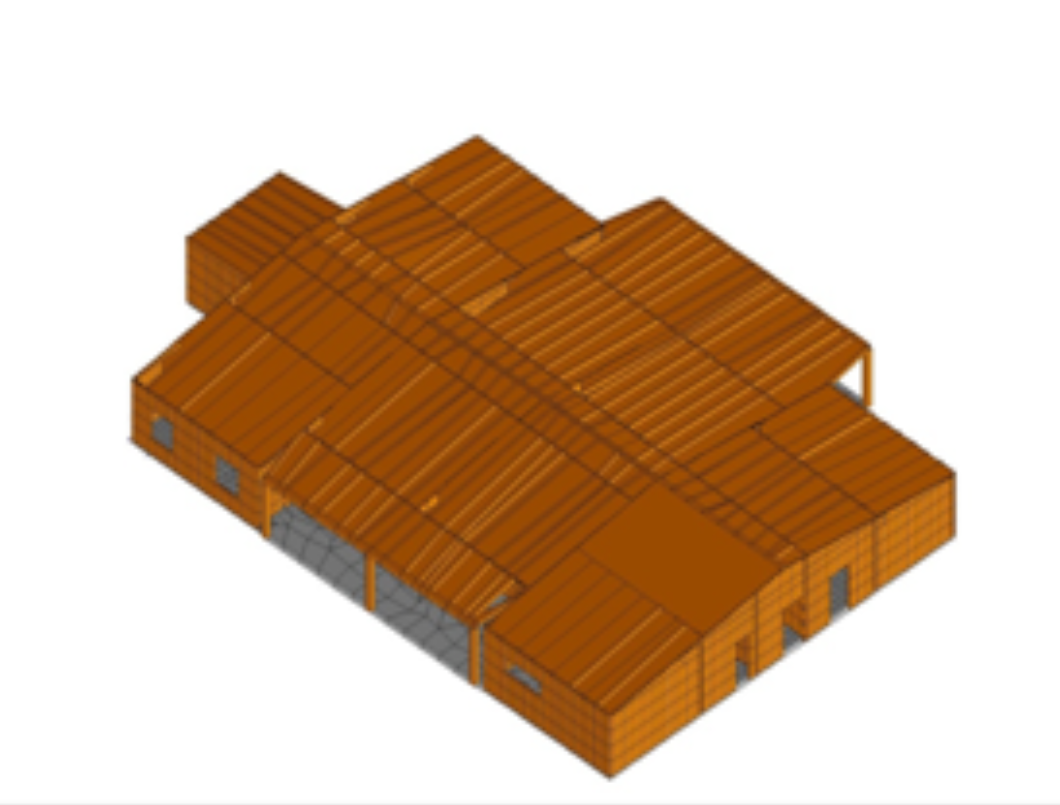
Seismic Retrofit of an Industrial Warehouse
The intervention involves the seismic retrofit of an existing single-story warehouse structure, primarily composed of masonry and reinforced concrete elements. The retrofit strategy is aimed at improving the building’s global seismic performance by enhancing lateral stiffness, load path continuity, and energy dissipation capacity. Strengthening techniques may include the insertion of steel bracing systems, reinforced concrete jackets for columns and walls, and diaphragm stiffening of roof and floor elements. The design complies with the relevant national seismic codes and performance-based criteria, with particular attention to foundation-soil interaction and construction phases to ensure minimal disruption to ongoing operations.
Structural Design of a Category IV Nursery Building in X-Lam
The structural system is based on cross-laminated timber (X-Lam) wall and floor panels, designed to meet the performance requirements of a Category IV structure as defined by seismic regulations (i.e., structures of essential public interest). The design addresses both in-plane and out-of-plane shear resistance, diaphragm behavior, and connection detailing using steel fasteners and hold-down anchors. Lateral load transfer is verified through finite element modeling, while vertical loads are distributed through continuous load paths down to shallow reinforced concrete foundations. The use of X-Lam ensures a high stiffness-to-weight ratio, inherent fire resistance, and rapid construction timelines, making it suitable for educational facilities requiring both resilience and sustainability.
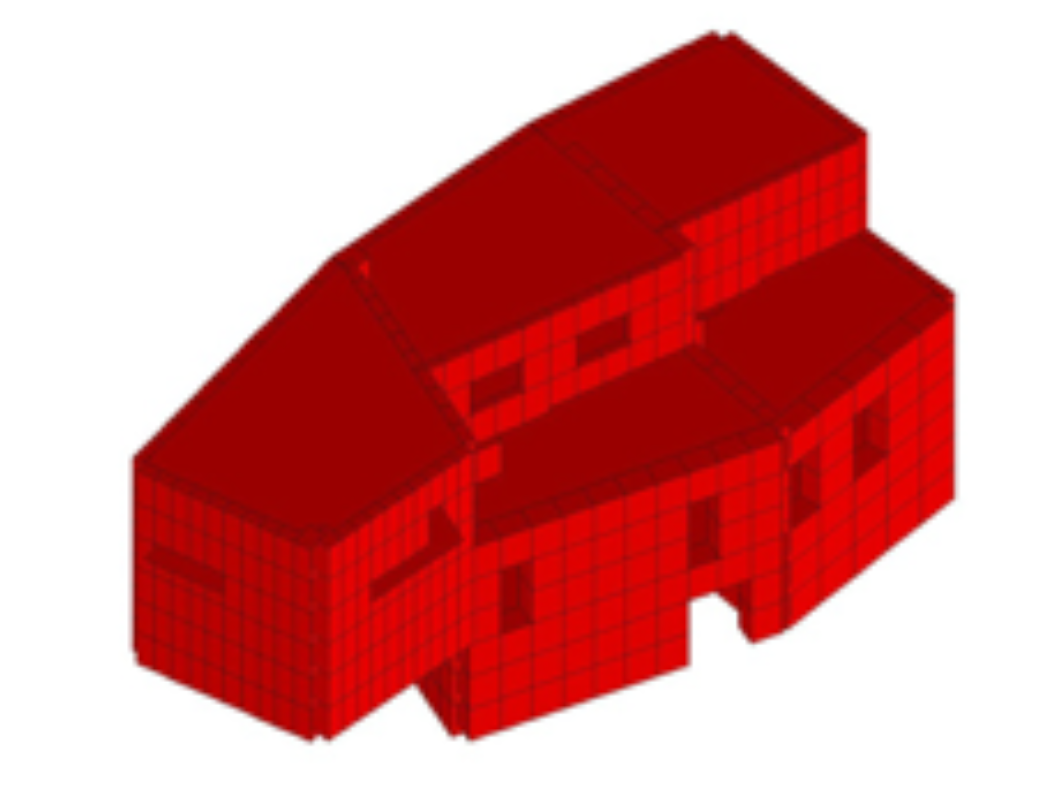
Seismic Retrofit for Sismabonus Compliance of a Masonry Structure in Latera
This project focuses on the seismic upgrading of an existing masonry building in Latera to comply with the performance thresholds required for Italy’s Sismabonus program. The intervention strategy includes reinforcing masonry walls against out-of-plane failure, integrating steel tie-rods for global stability, and locally enhancing structural nodes using FRP laminates. The retrofit is designed to raise the seismic safety index (Indice di Sicurezza Sismica), validated through linear static and nonlinear analysis methods. Emphasis is placed on reversible, non-invasive techniques compatible with traditional materials and construction practices.
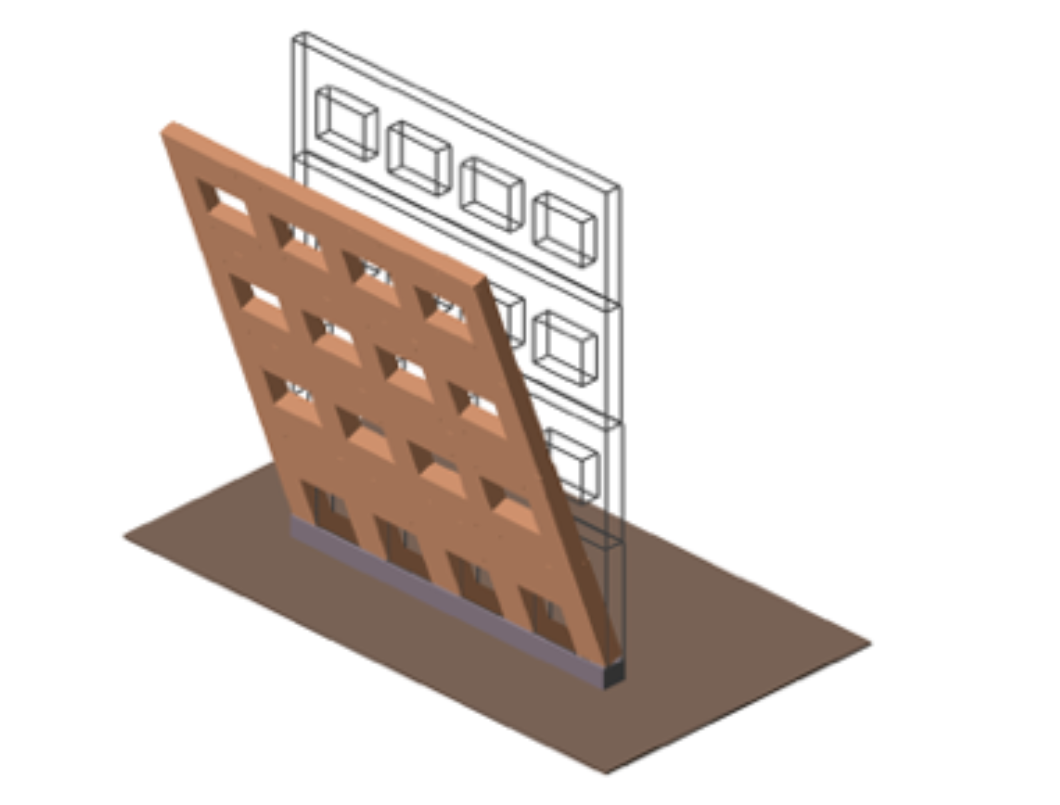
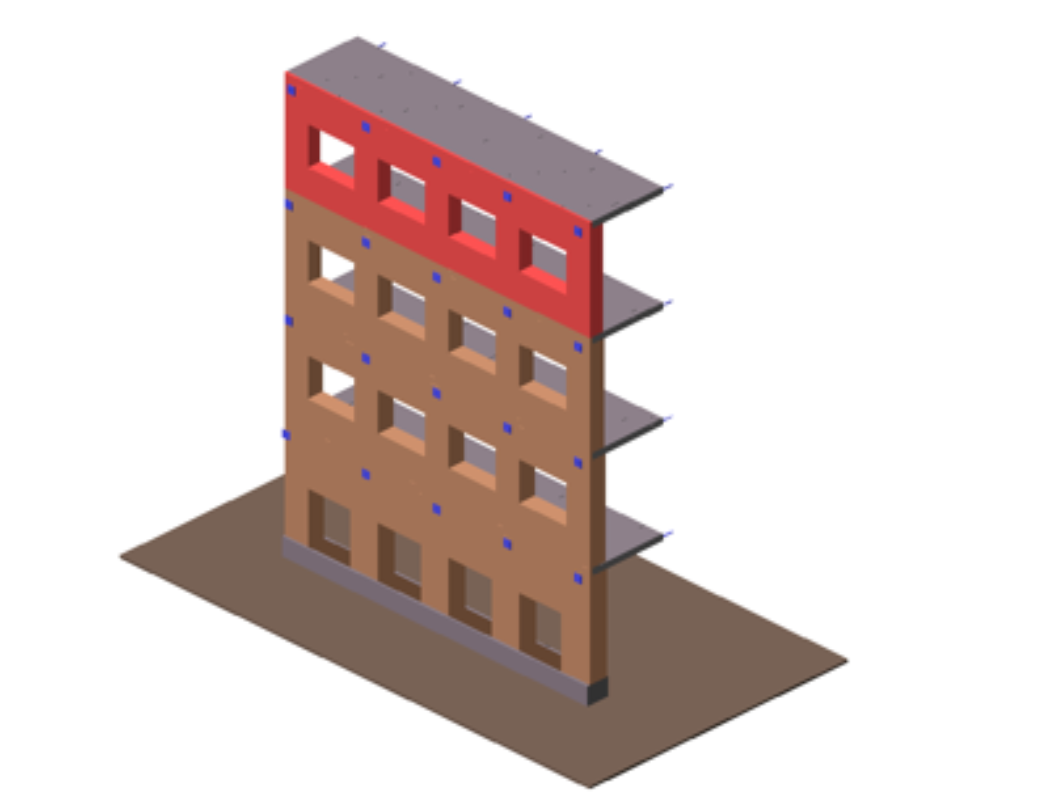
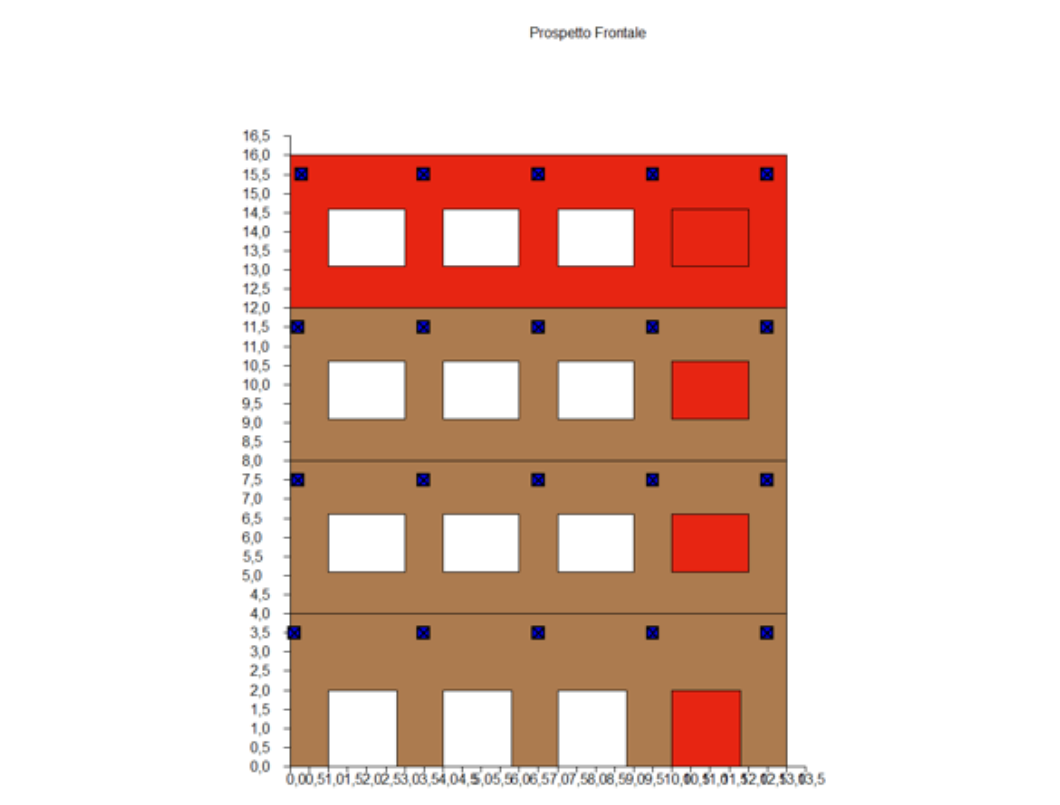
Seismic Retrofit for Sismabonus Compliance of a Masonry Structure in Latera
This project focuses on the seismic upgrading of an existing masonry building in Latera to comply with the performance thresholds required for Italy’s Sismabonus program. The intervention strategy includes reinforcing masonry walls against out-of-plane failure, integrating steel tie-rods for global stability, and locally enhancing structural nodes using FRP laminates. The retrofit is designed to raise the seismic safety index (Indice di Sicurezza Sismica), validated through linear static and nonlinear analysis methods. Emphasis is placed on reversible, non-invasive techniques compatible with traditional materials and construction practices.
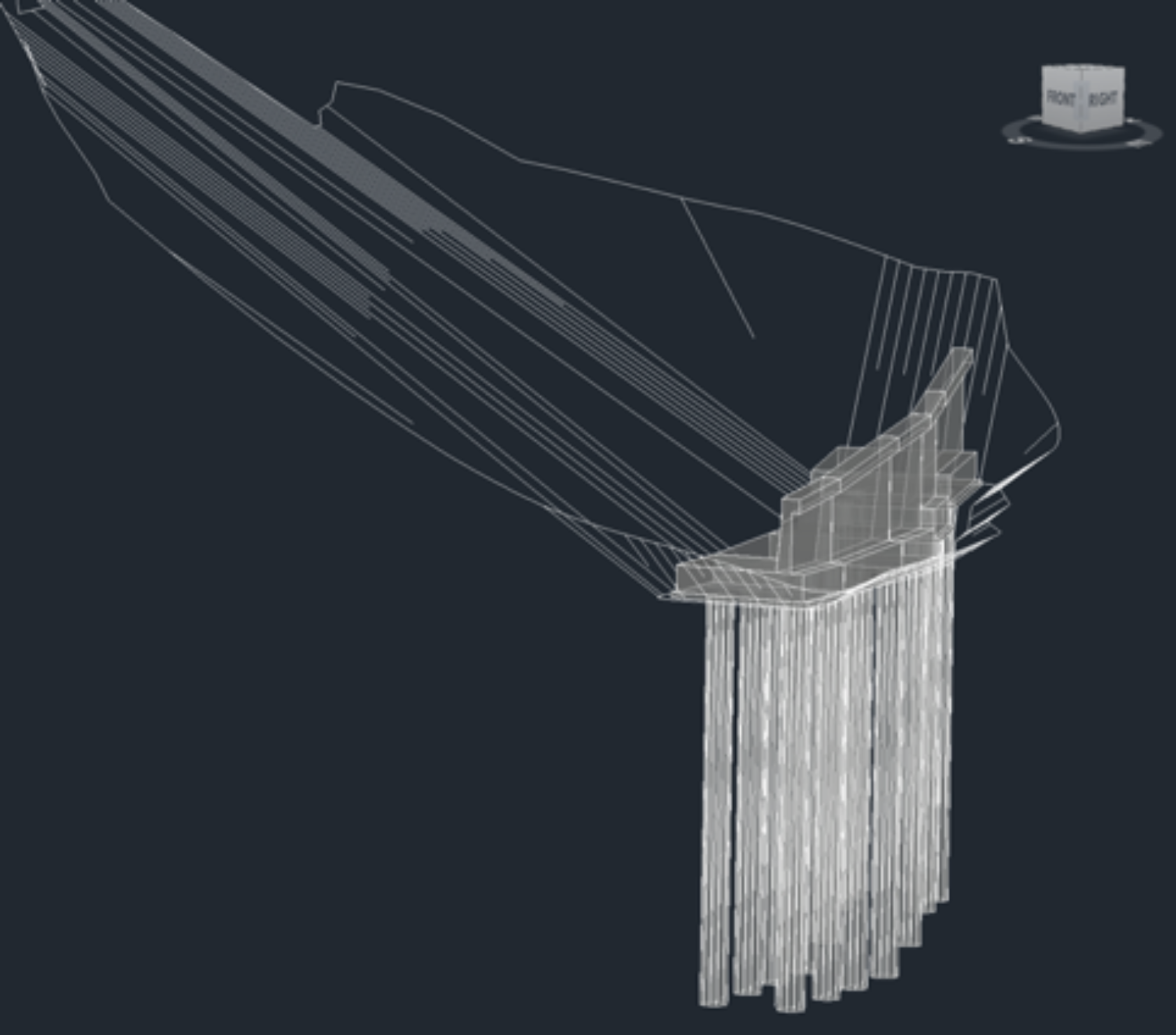
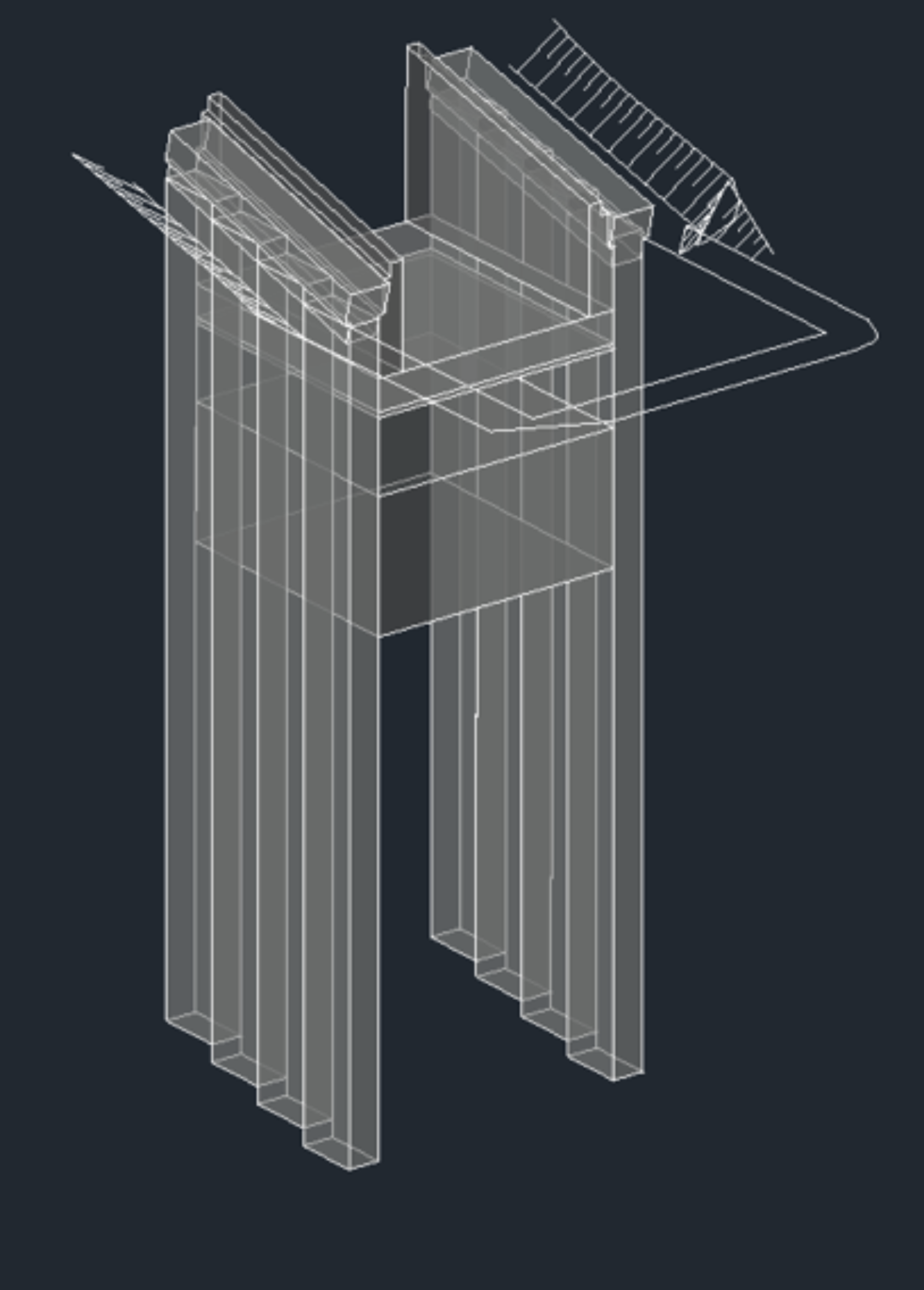
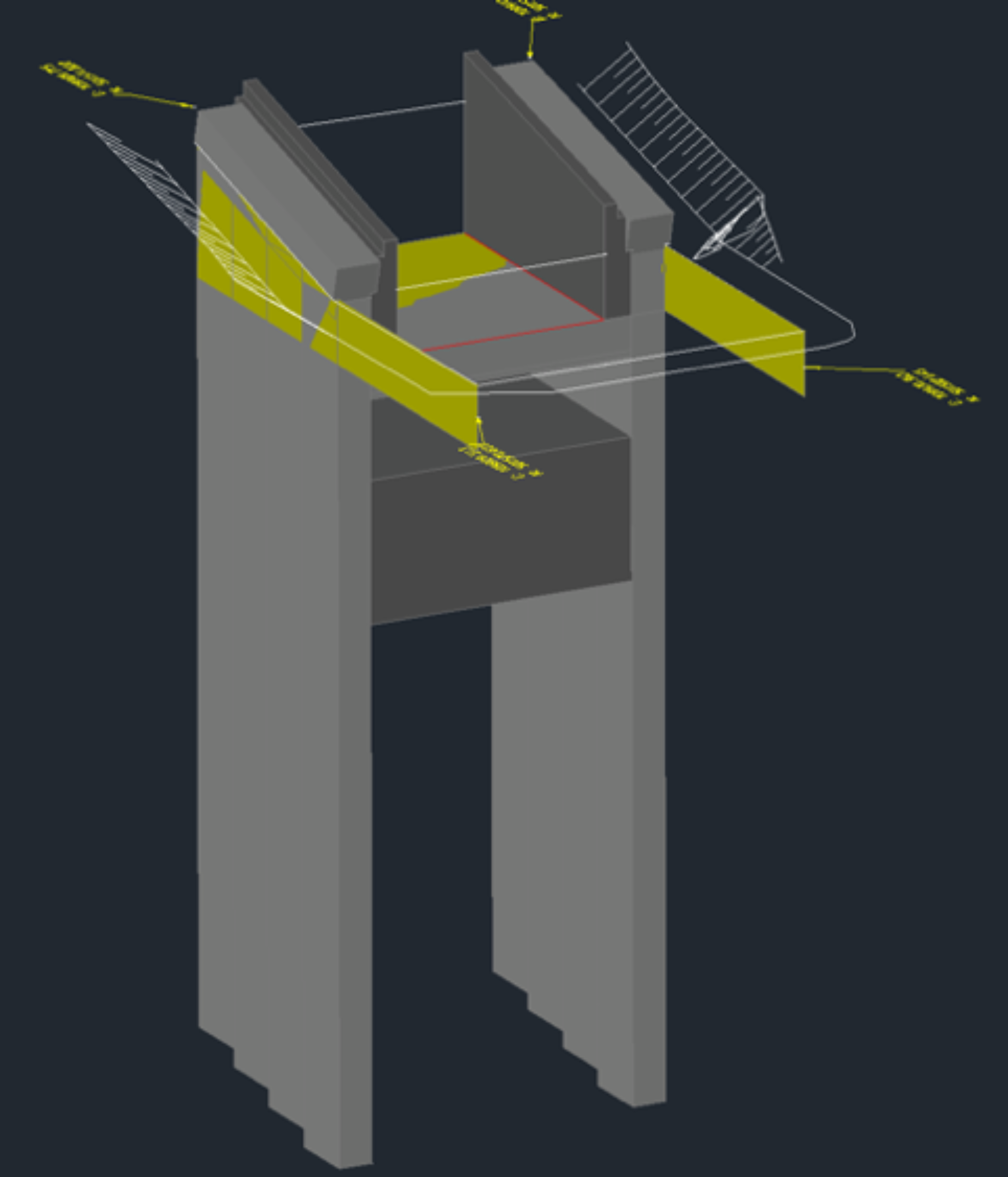
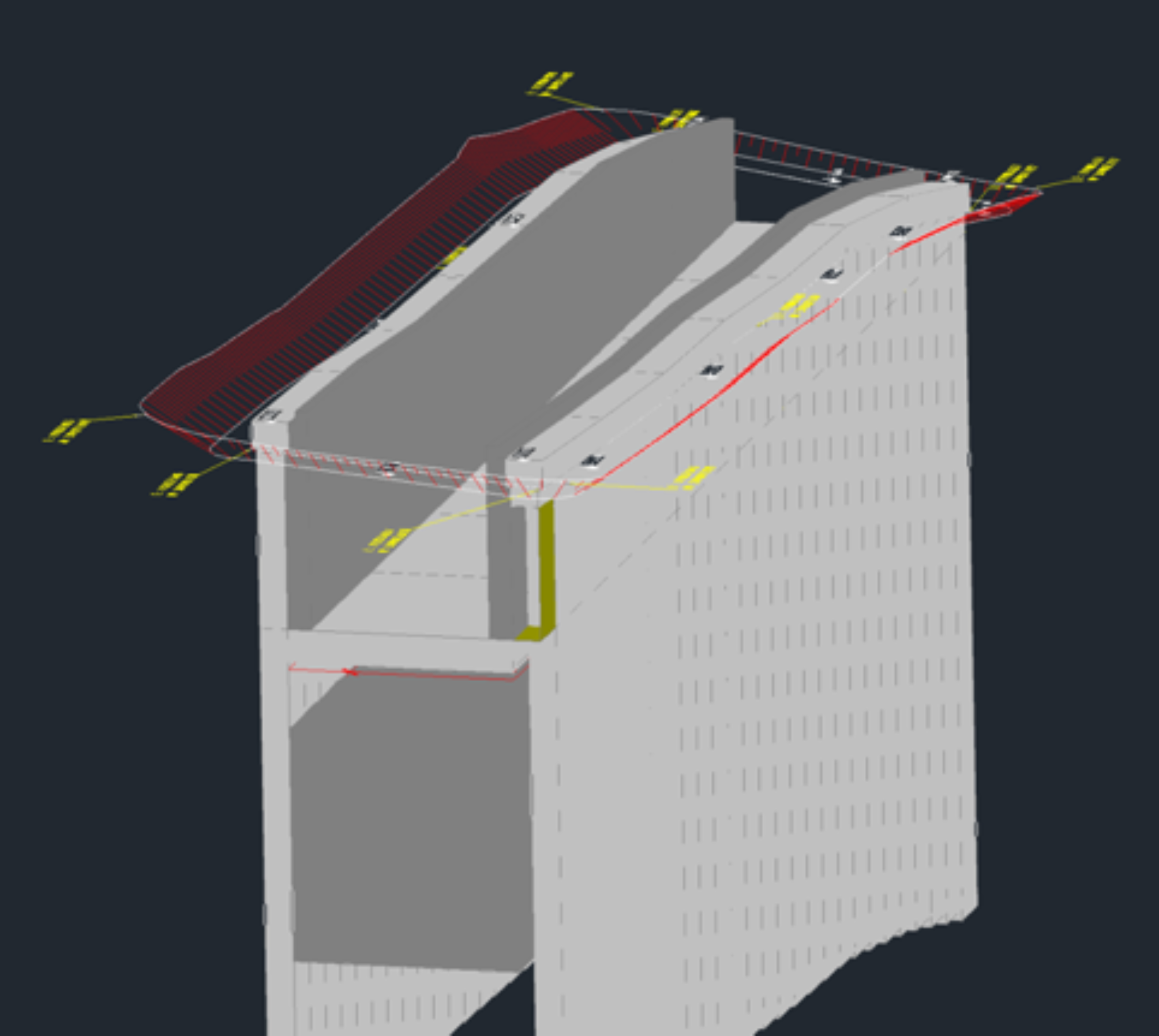
This construction documents and detailed drawings generated directly from BIM models: Line Retaining Walls and Tunnel Portal Walls.
The Salerno–Reggio Calabria railway alignment traverses geotechnically complex terrains, requiring the implementation of reinforced concrete retaining structures, deep foundation systems, and tunnel portals designed to withstand seismic loads and hydrostatic pressures, in compliance with Eurocode structural standards.
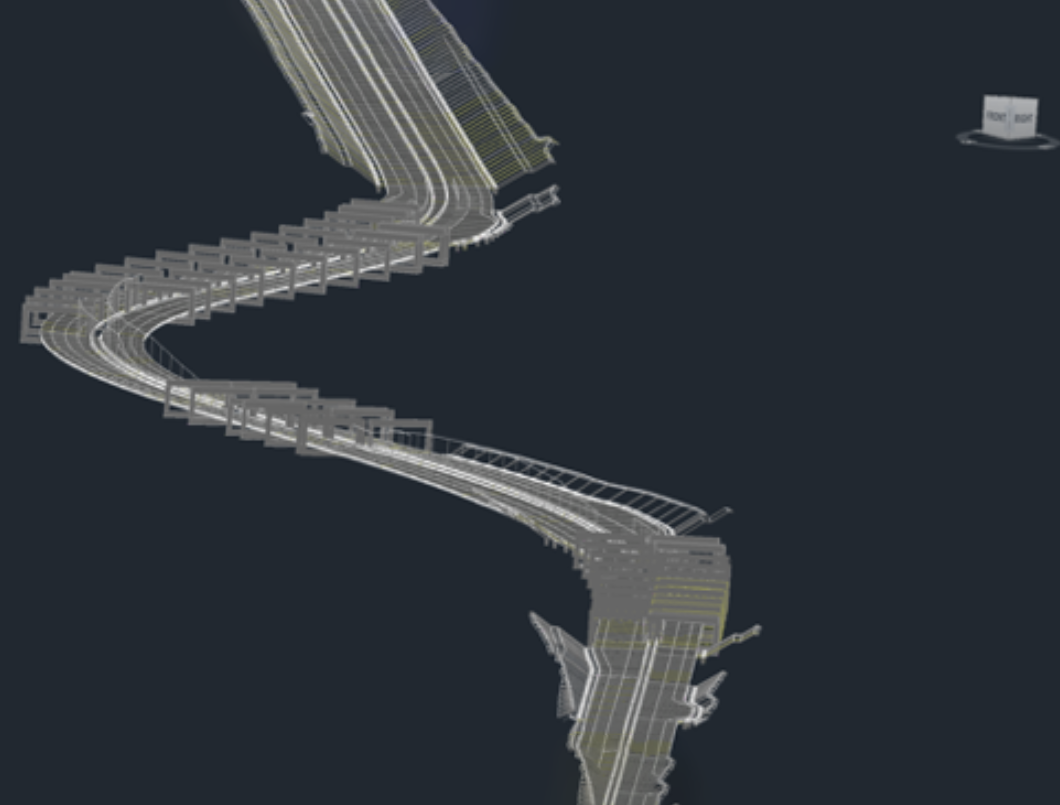
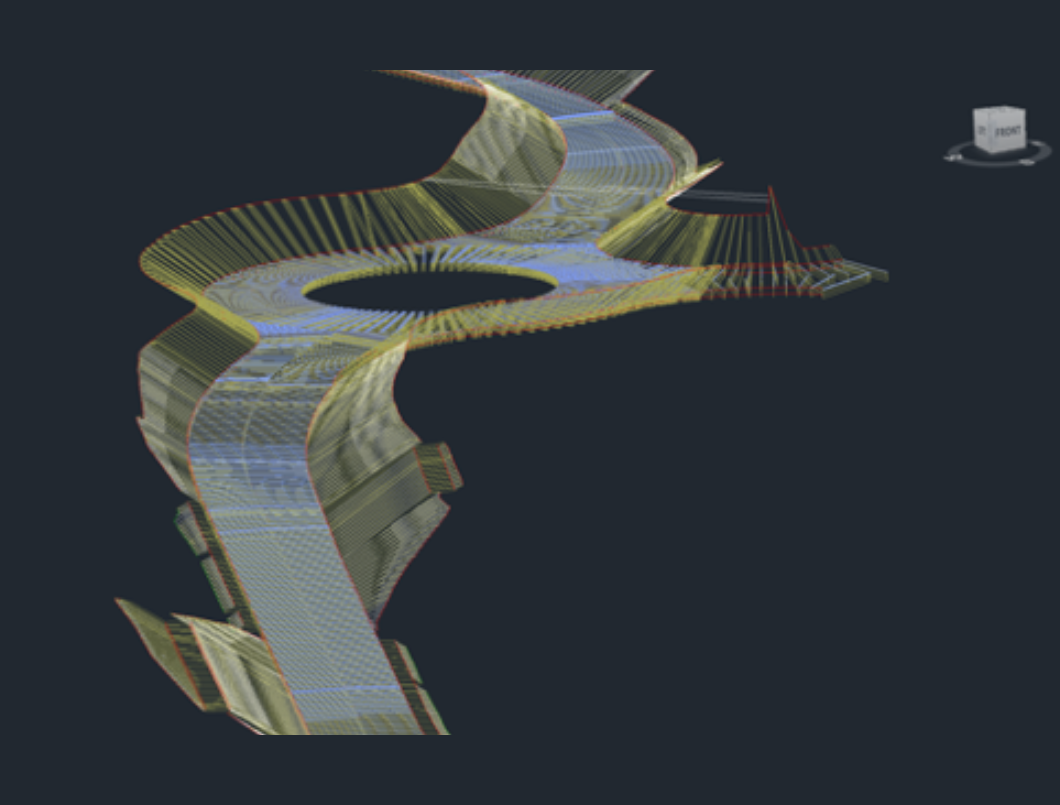
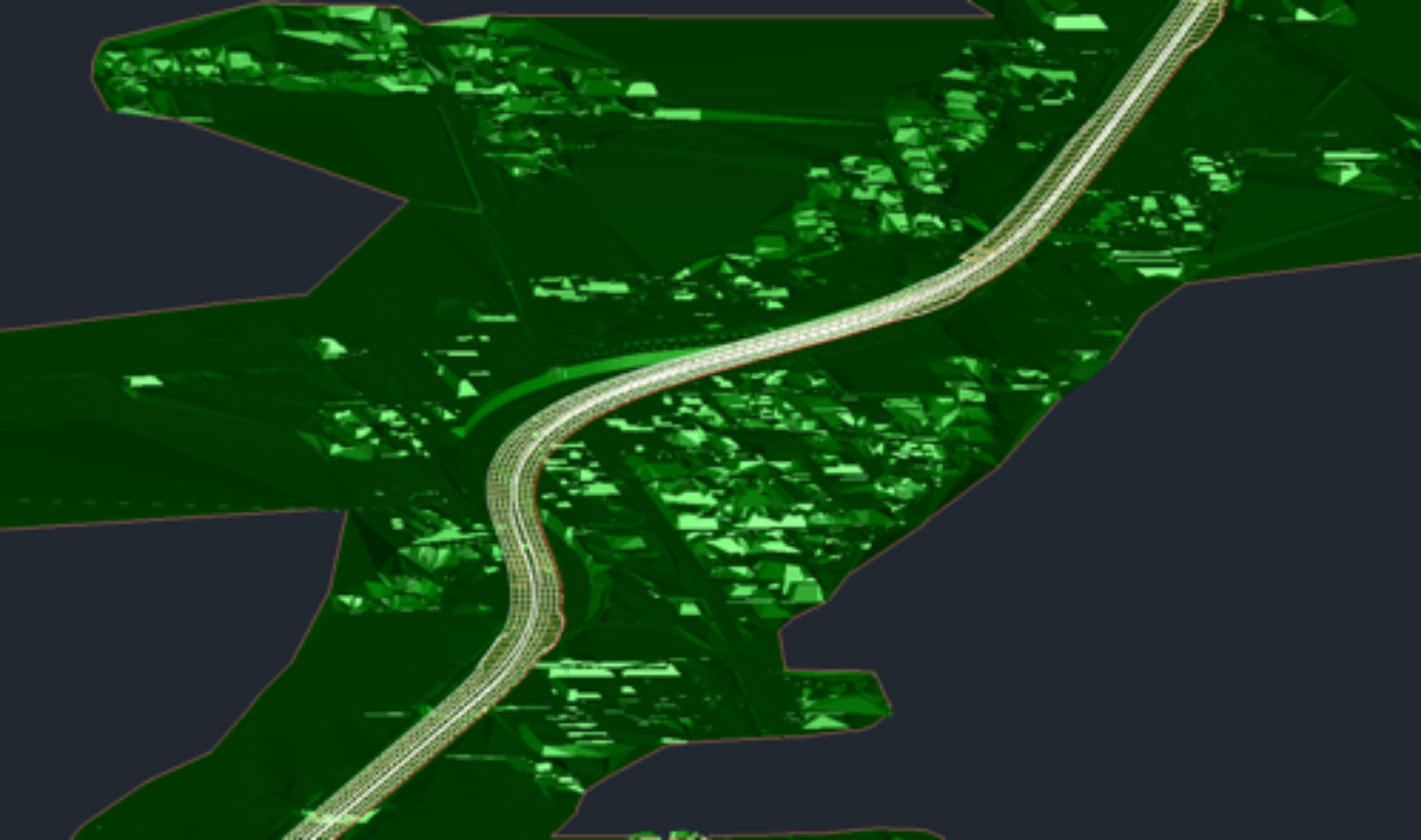
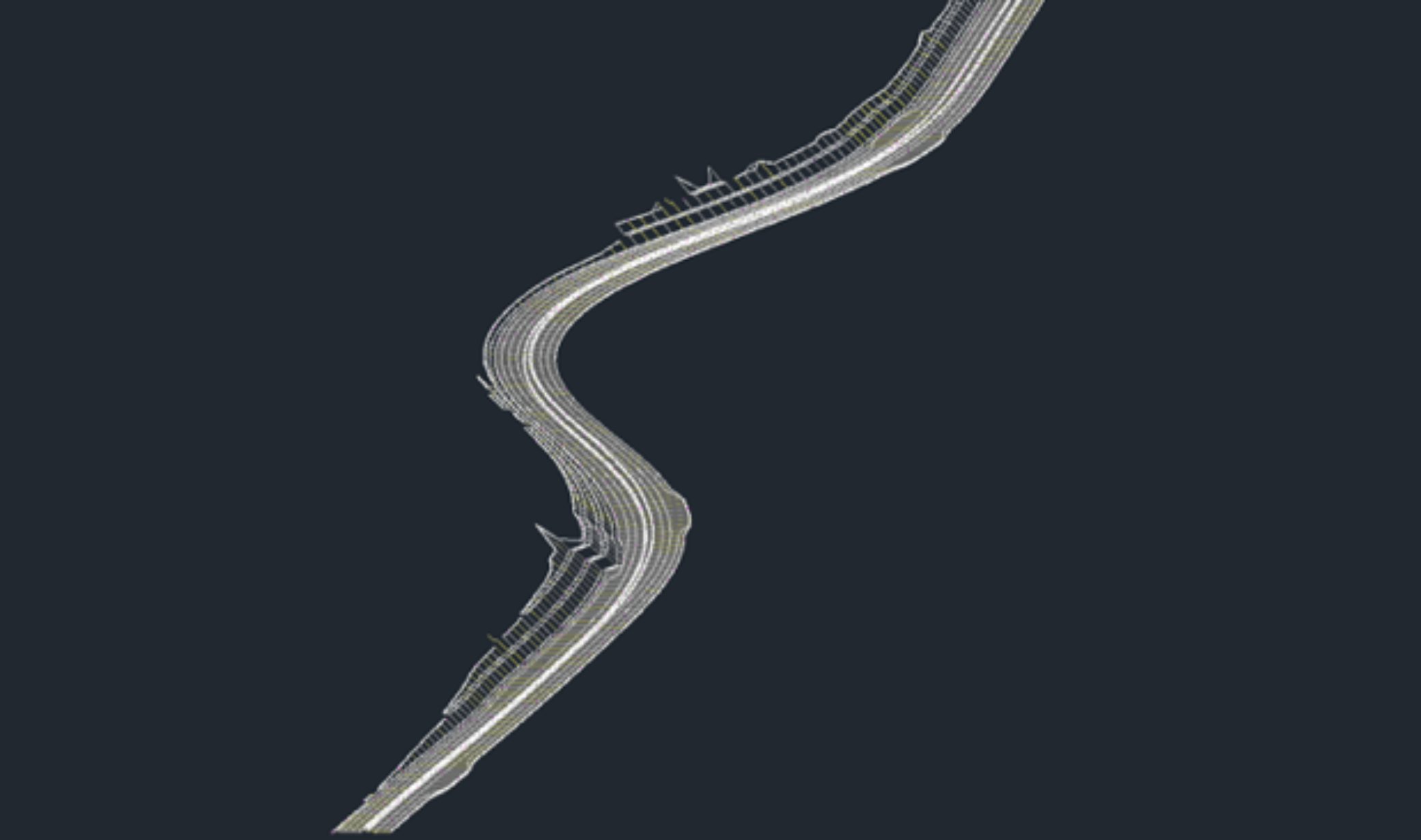
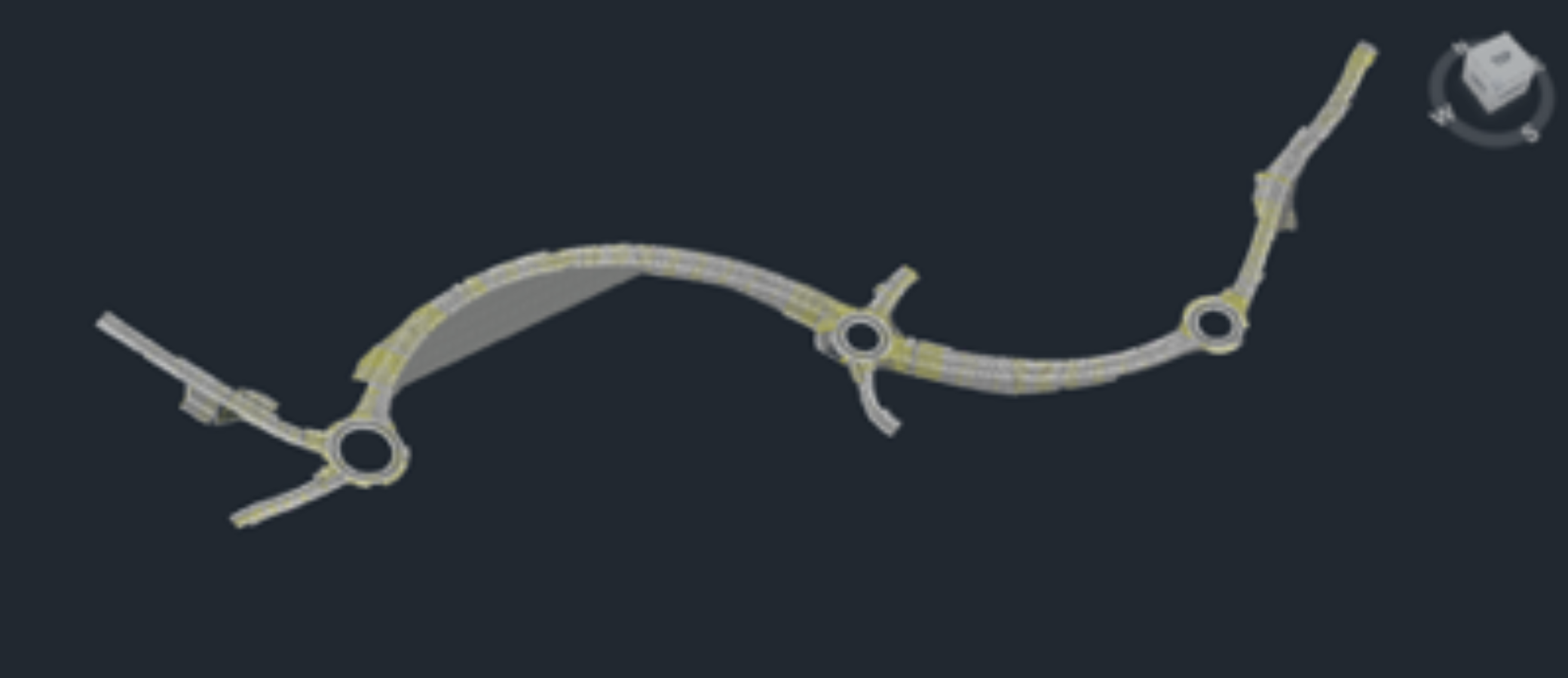
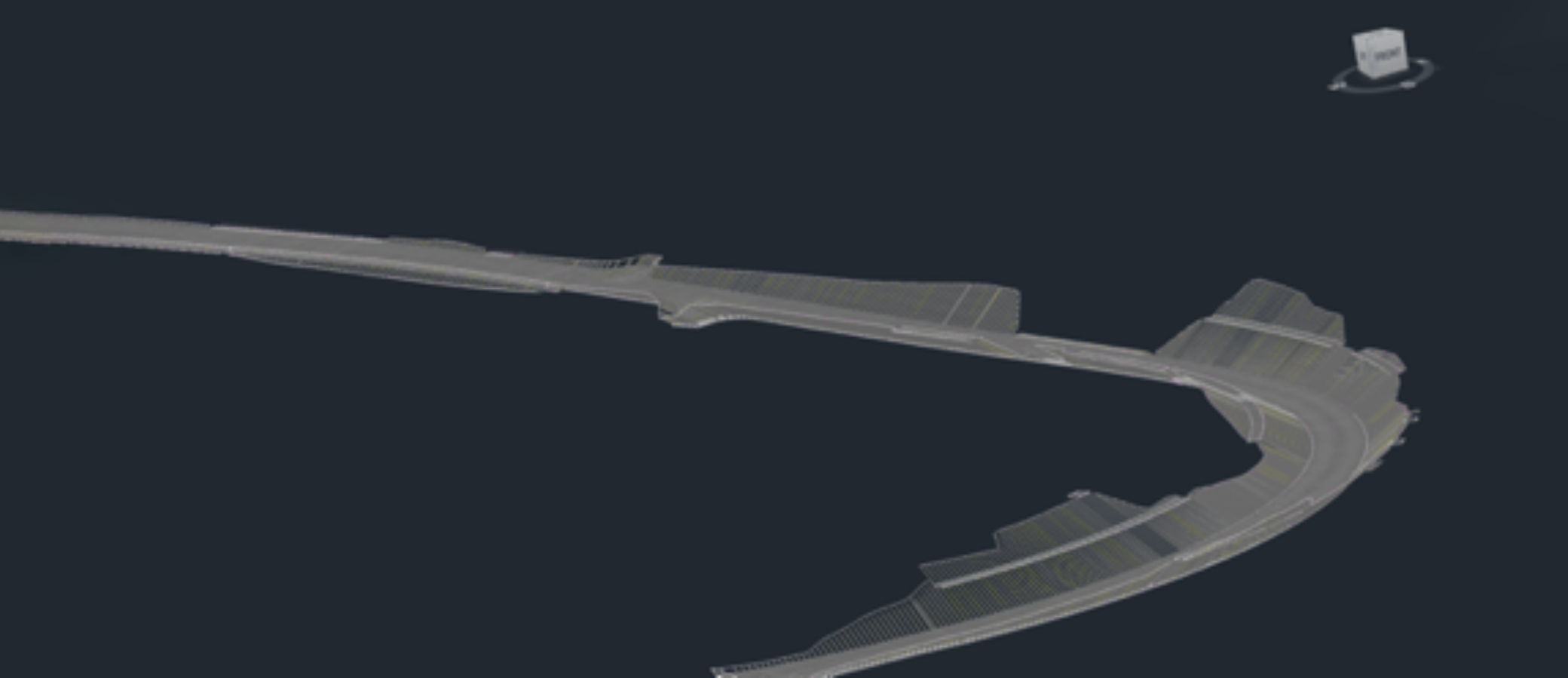
The Pedemontana Lombarda Highway is a strategic high-capacity infrastructure designed to optimize vehicular distribution across Northern Italy’s trans-regional corridor. The project integrates multilane rigid pavement sections, seismic-resilient viaducts constructed with post-tensioned concrete box girders, and cut-and-cover tunnel solutions to minimize environmental impact. Earthworks and embankments are dimensioned following stratigraphic surveys and FEM-based geotechnical stability analysis, in full compliance with DM 17/01/2018 and Eurocode structural design requirements
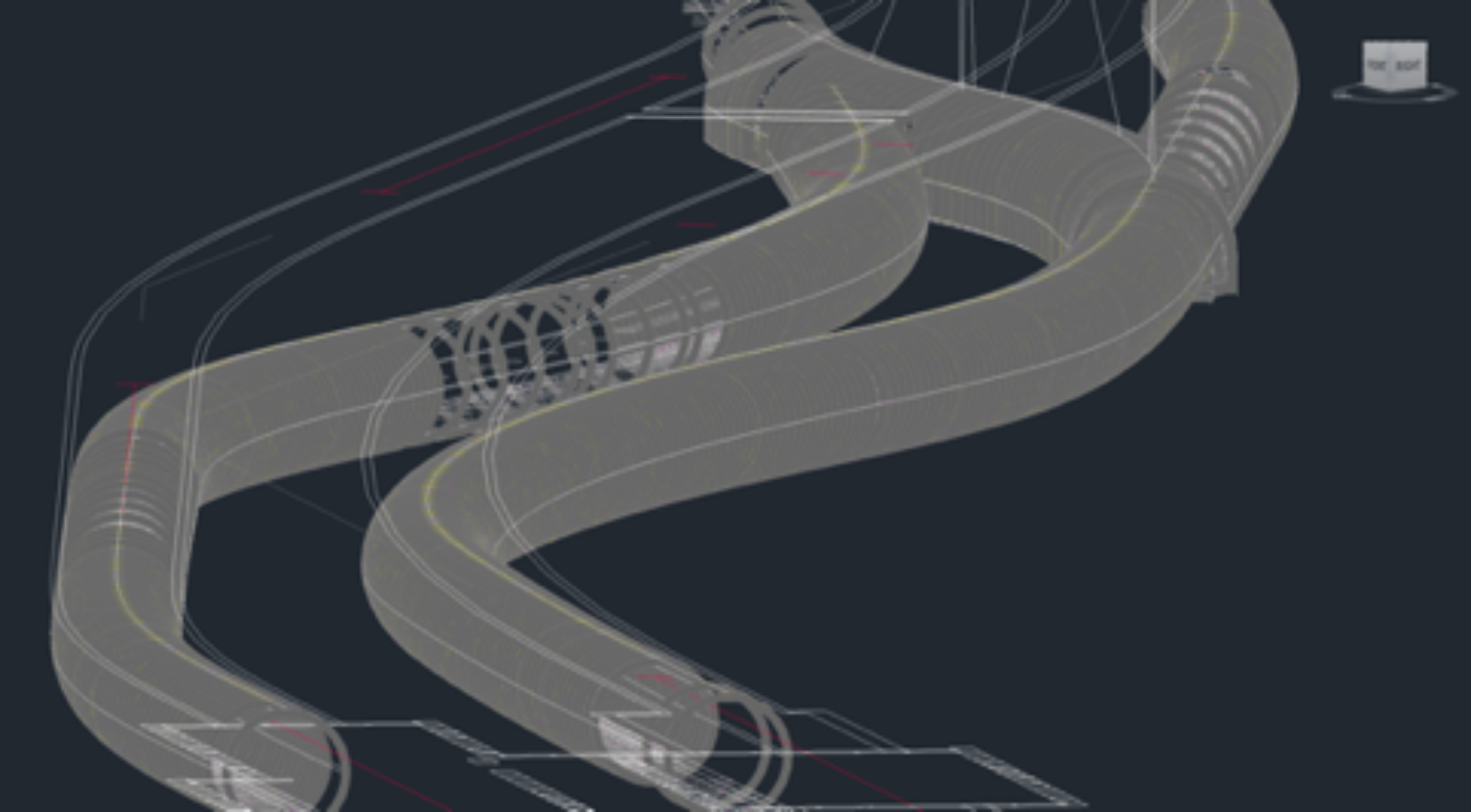
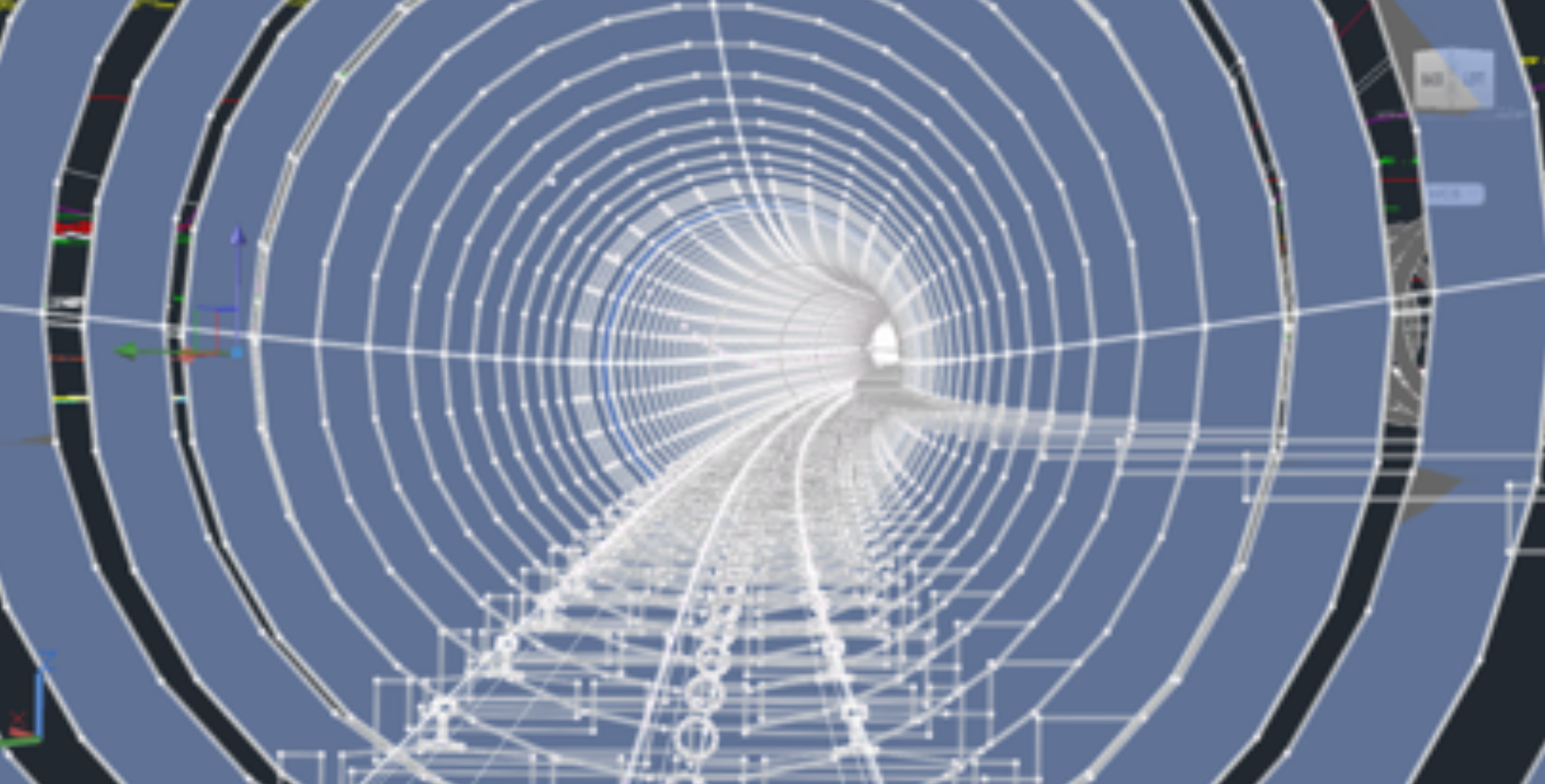
The Metro Line C development across the Fori Imperiali and Piazza Venezia segment integrates advanced civil engineering workflows with parametric digital modeling:
BIM Integration via Subassembly Composer Parametric assemblies were configured using Autodesk Subassembly Composer to manage complex interface conditions—geotechnical, hydrological, and structural—enabling dynamic section design with high interoperability across platforms.
Horizontal and Vertical Alignment Track geometry was designed to accommodate archaeological overlays, minimize spatial conflict, and optimize longitudinal gradient compliance. Precision profiling enabled a seamless transition between operational zones and structural constraints.
Cross-Section Modeling The section typologies include single- and twin-tube tunnel configurations with variable cross-sectional geometry driven by functional needs such as station expansion, emergency egress, and utility corridors. Parametric control allowed for iterative design refinements during multidomain coordination.
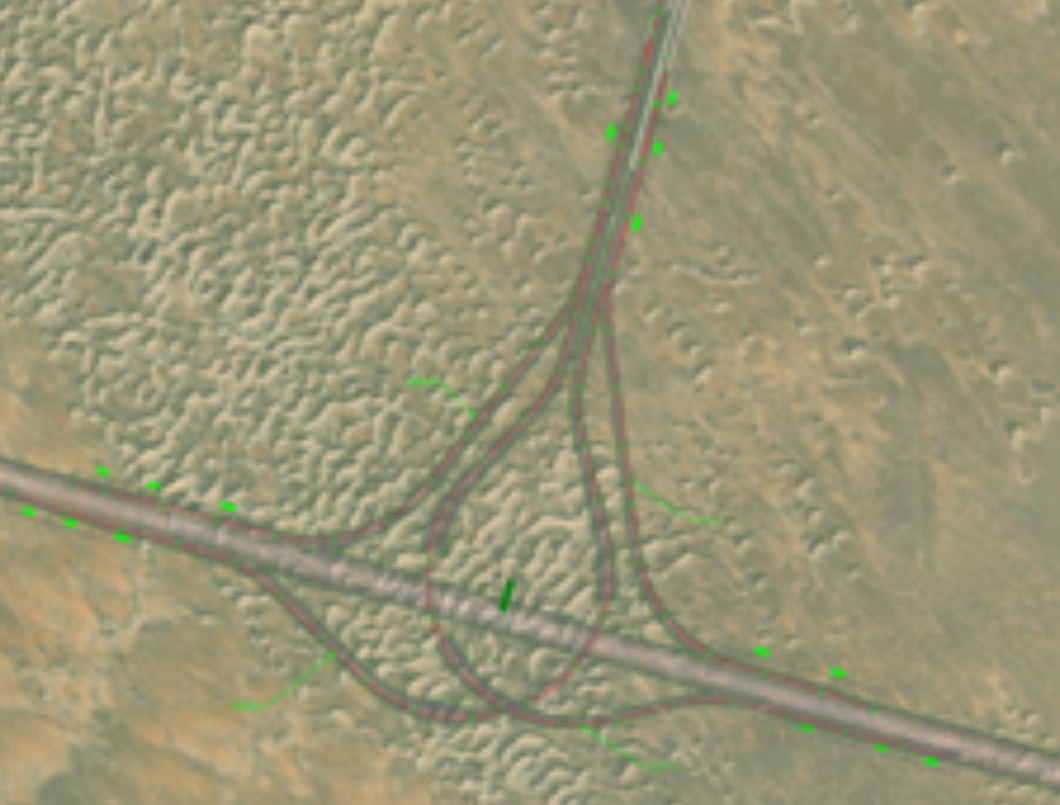
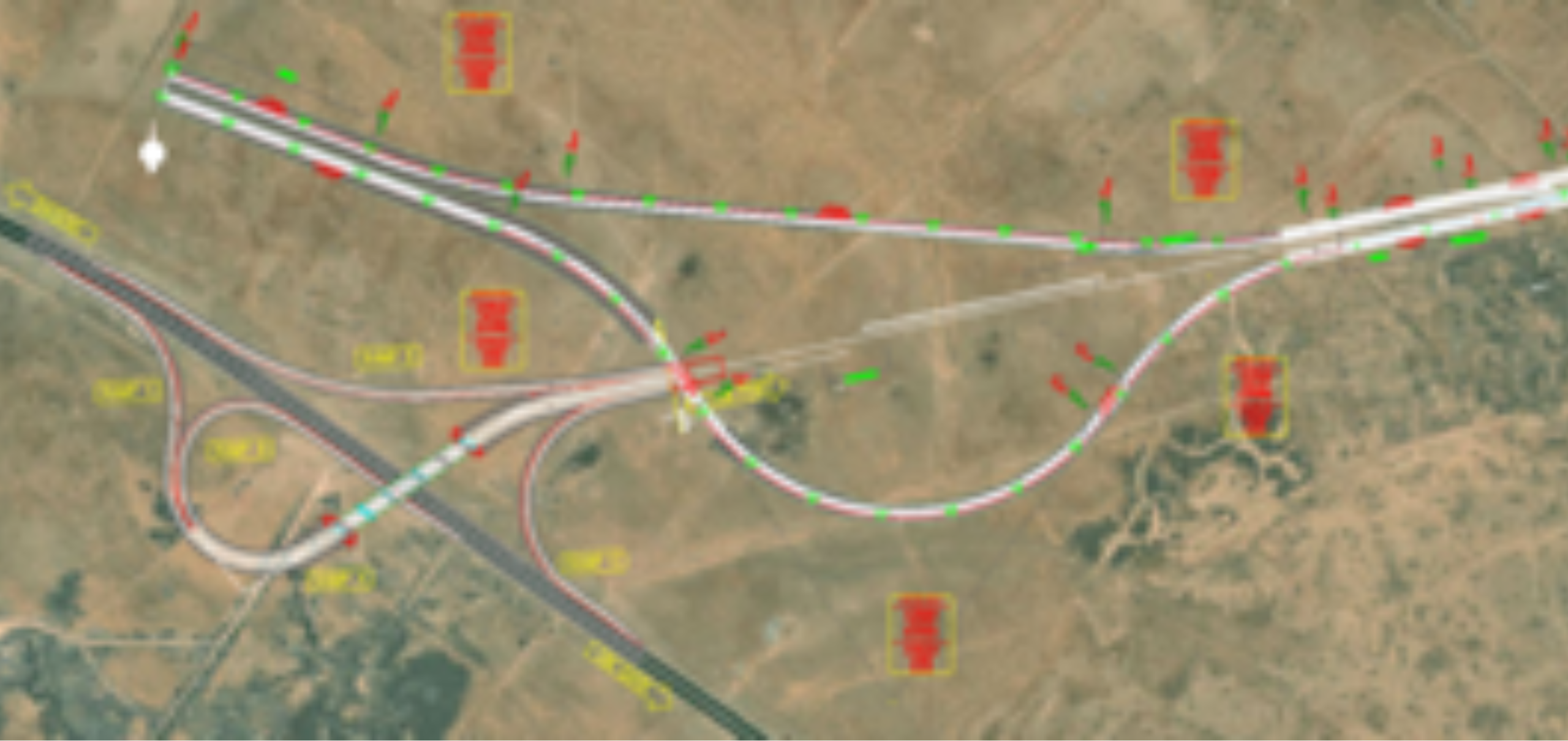
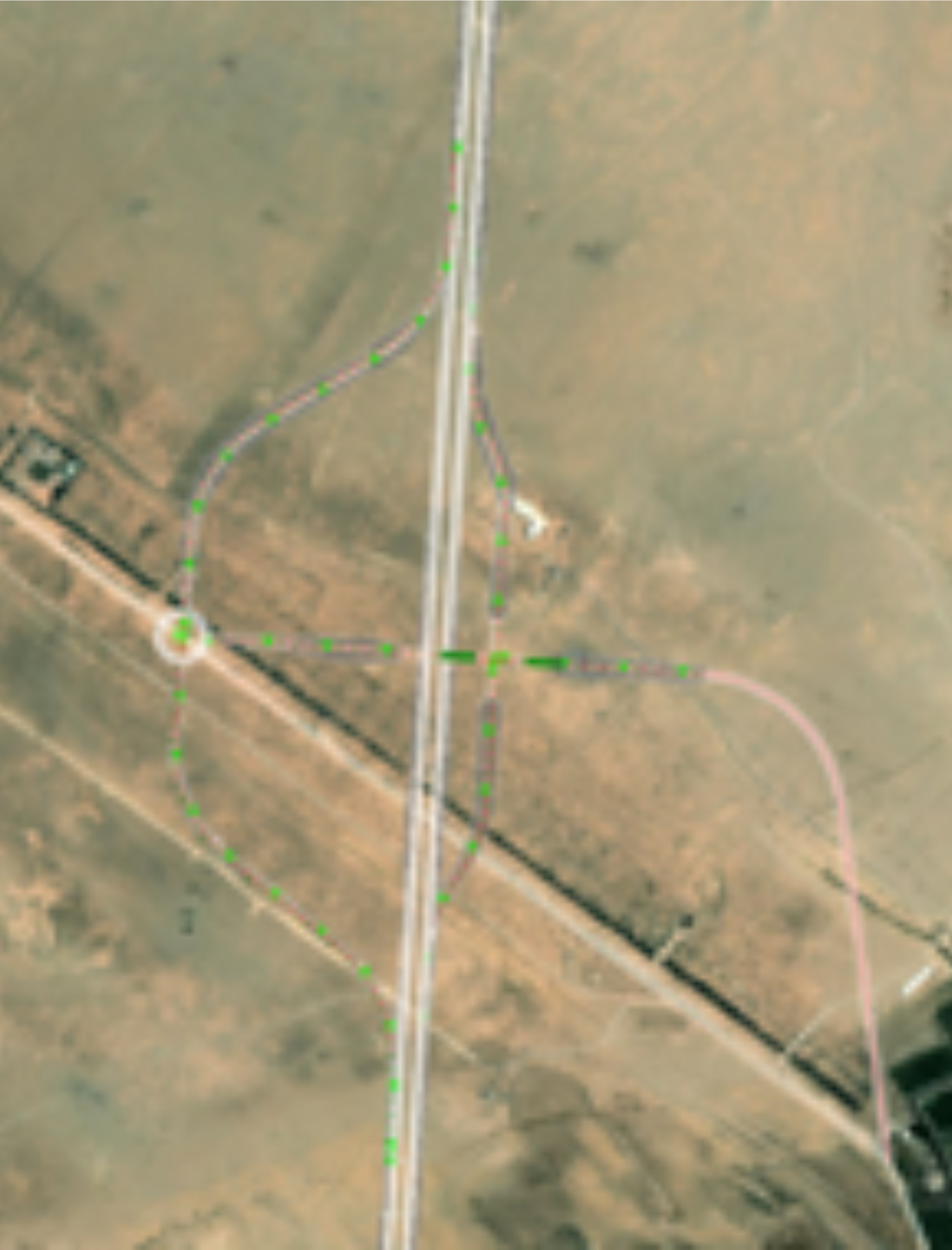
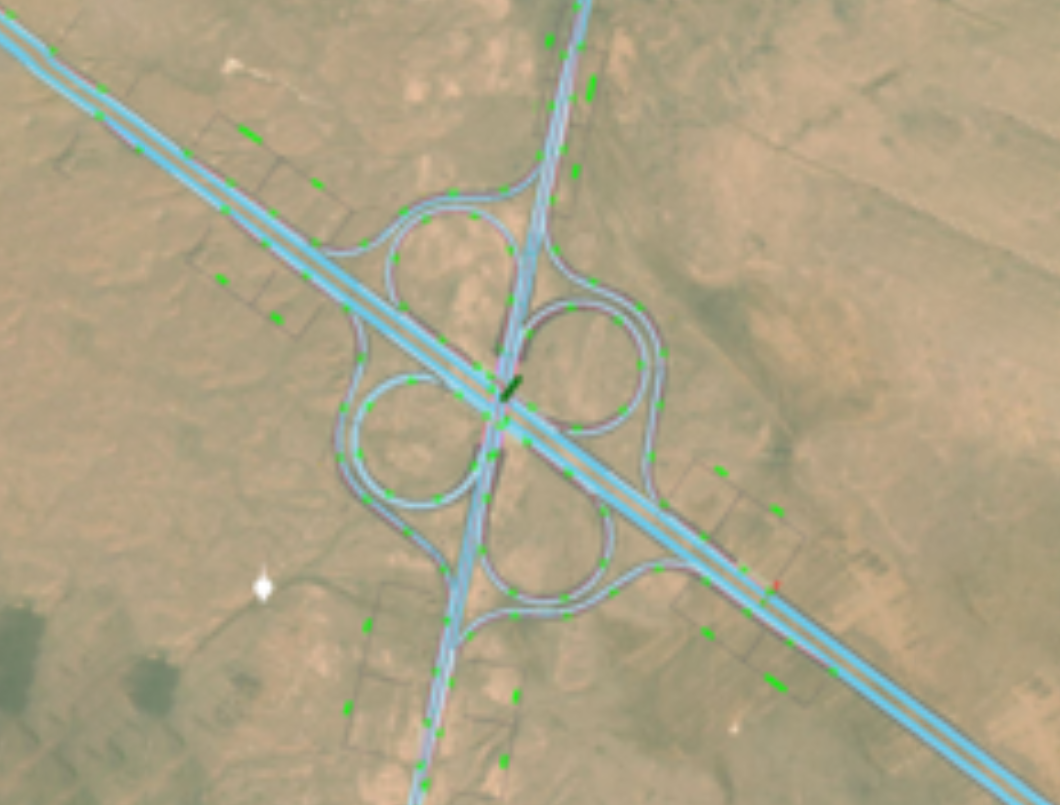
Terrain Adaptation: Highways traverse deserts, urban zones, and mountainous regions. Soil stabilization and earthworks were critical for long-term durability.
Material Selection: Asphalt concrete with polymer-modified bitumen was commonly used for superior resistance to high temperatures and traffic loads.
Drainage Systems: Given Iraq’s sporadic rainfall and flash flood risk, culverts, retention basins, and subsurface drainage pipes were installed to prevent pavement degradation.
Structural Design: Bridges and overpasses incorporated reinforced concrete and pre-stressed girders to manage seismic and heavy load conditions.
Challenges and Solutions
Security and Logistics: Construction was often delayed by safety concerns and supply chain disruptions. Engineering teams employed modular construction and sourced materials locally to mitigate risks.
Climate Adaptation: Heat-resistant materials and reflective coatings were applied to reduce asphalt softening in extreme temperatures.
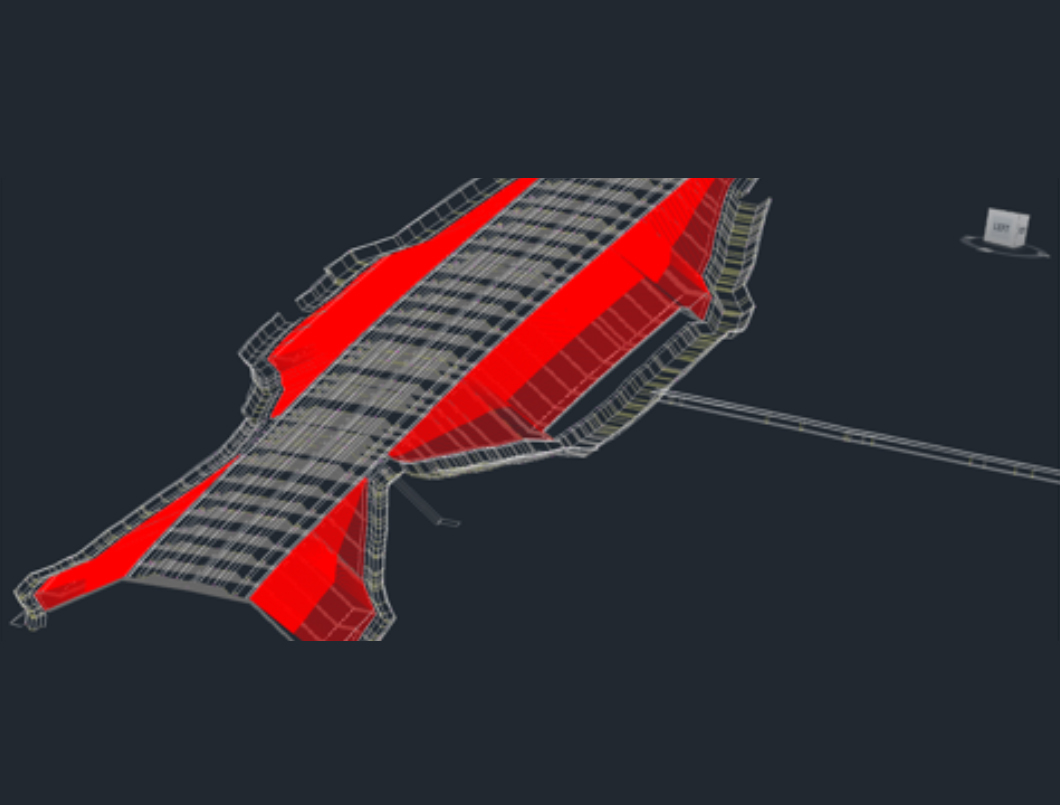
BIM-Based Engineering Coordination Using WBS Standards
Project Scope The Telese–Vitulano section forms a strategic corridor of the Naples–Bari highway improvement project, aimed at enhancing mobility across southern Italy. It includes viaducts, embankments, interchanges, and service areas—all coordinated under a digital BIM environment.
BIM & WBS Integration
Modeling Uniforms by WBS: BIM elements were categorized into standardized design “uniforms” (e.g., repeated bridge decks, drainage modules) aligned with a Work Breakdown Structure (WBS).
Each WBS code corresponds to a modeled entity, enabling modular planning, cost estimation, and scheduling.
Uniforms facilitated automation of quantity takeoffs and clash detection during federated model coordination.
Lifecycle Benefits: The uniform WBS-based BIM structure supports full lifecycle management—linking design data with operation and maintenance protocols.
Outcome Through BIM modeling tailored to WBS standards, the Telese–Vitulano section achieved high coordination efficiency, reduced rework, and better tracking of material flows across the construction site.
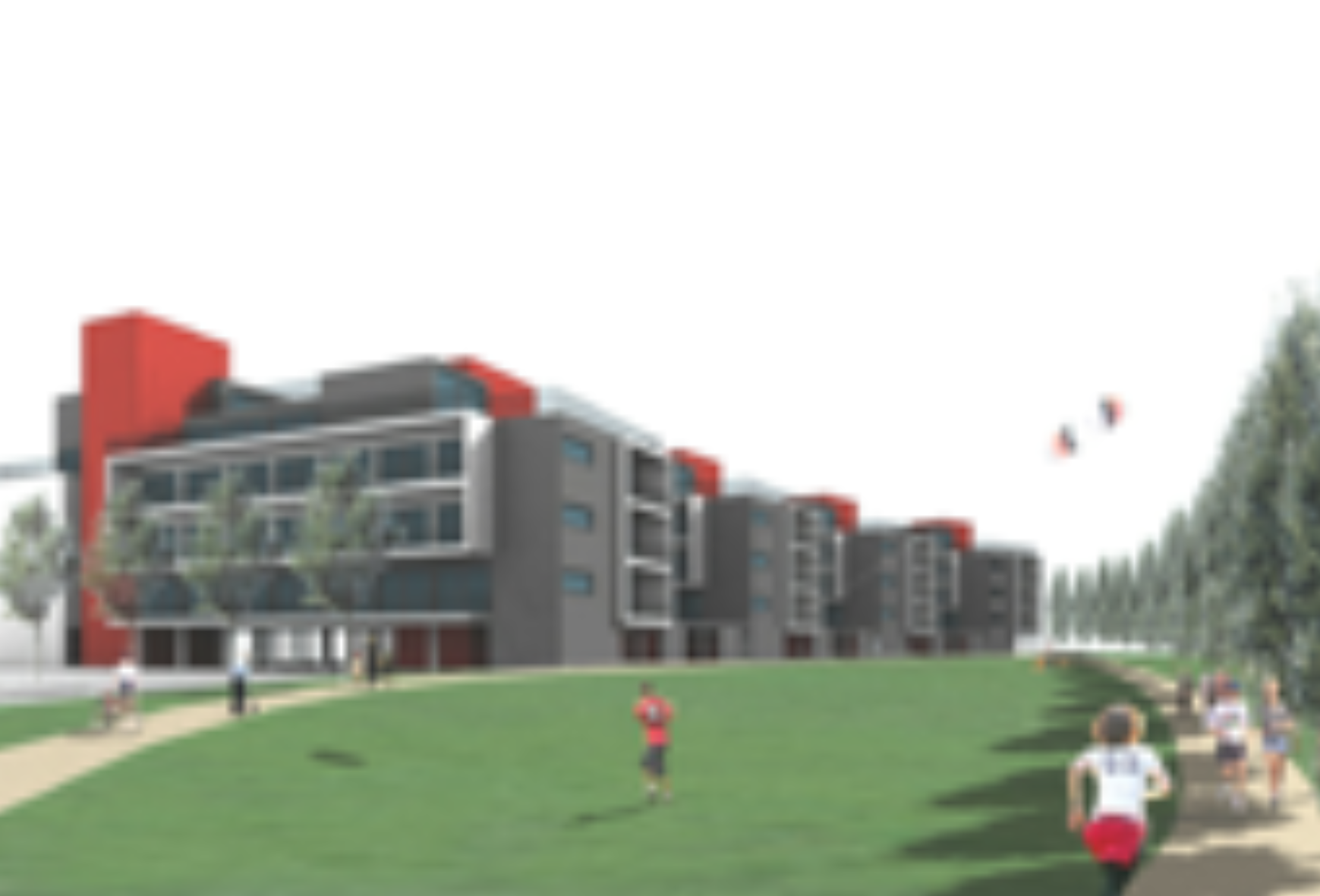
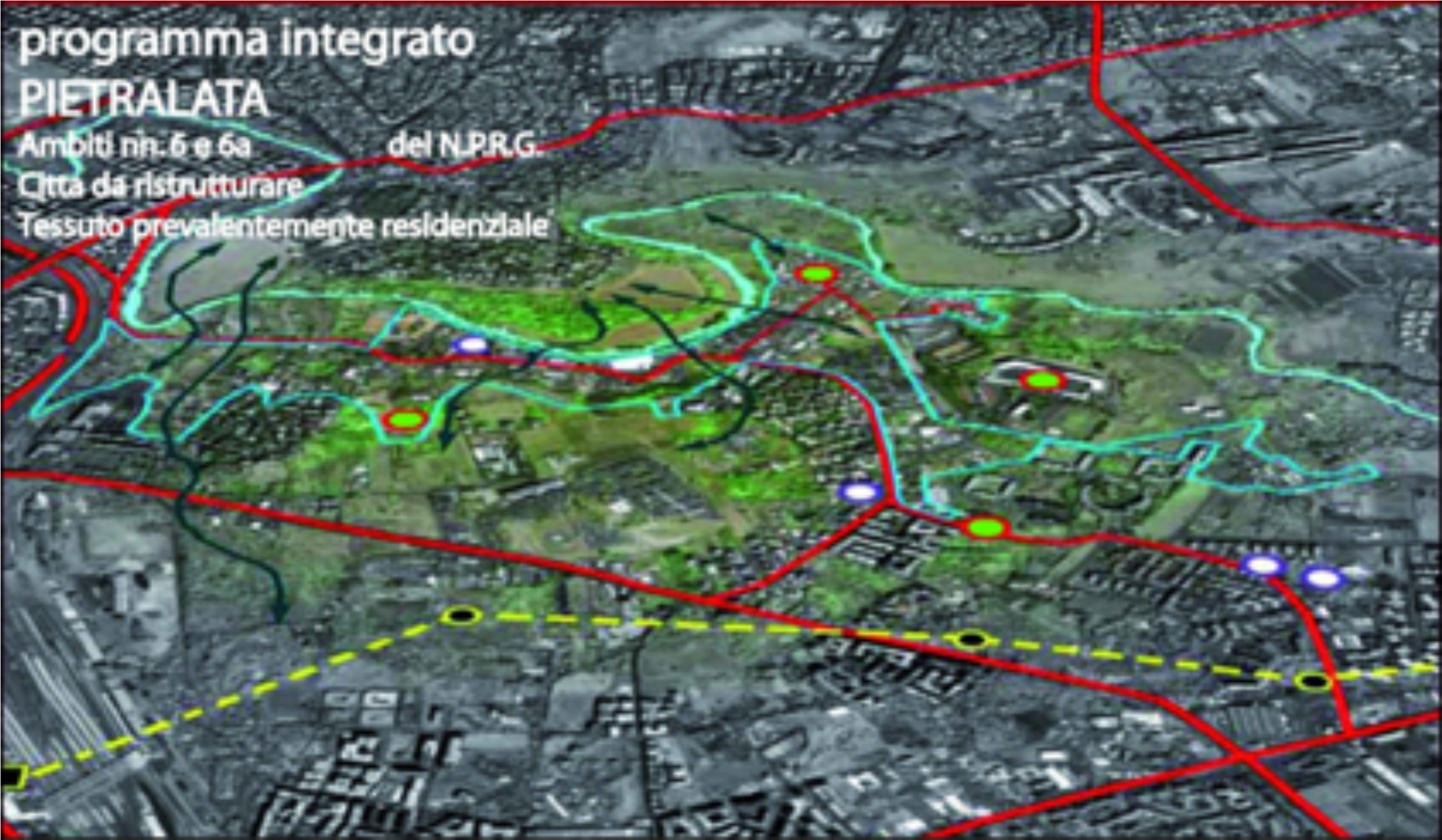
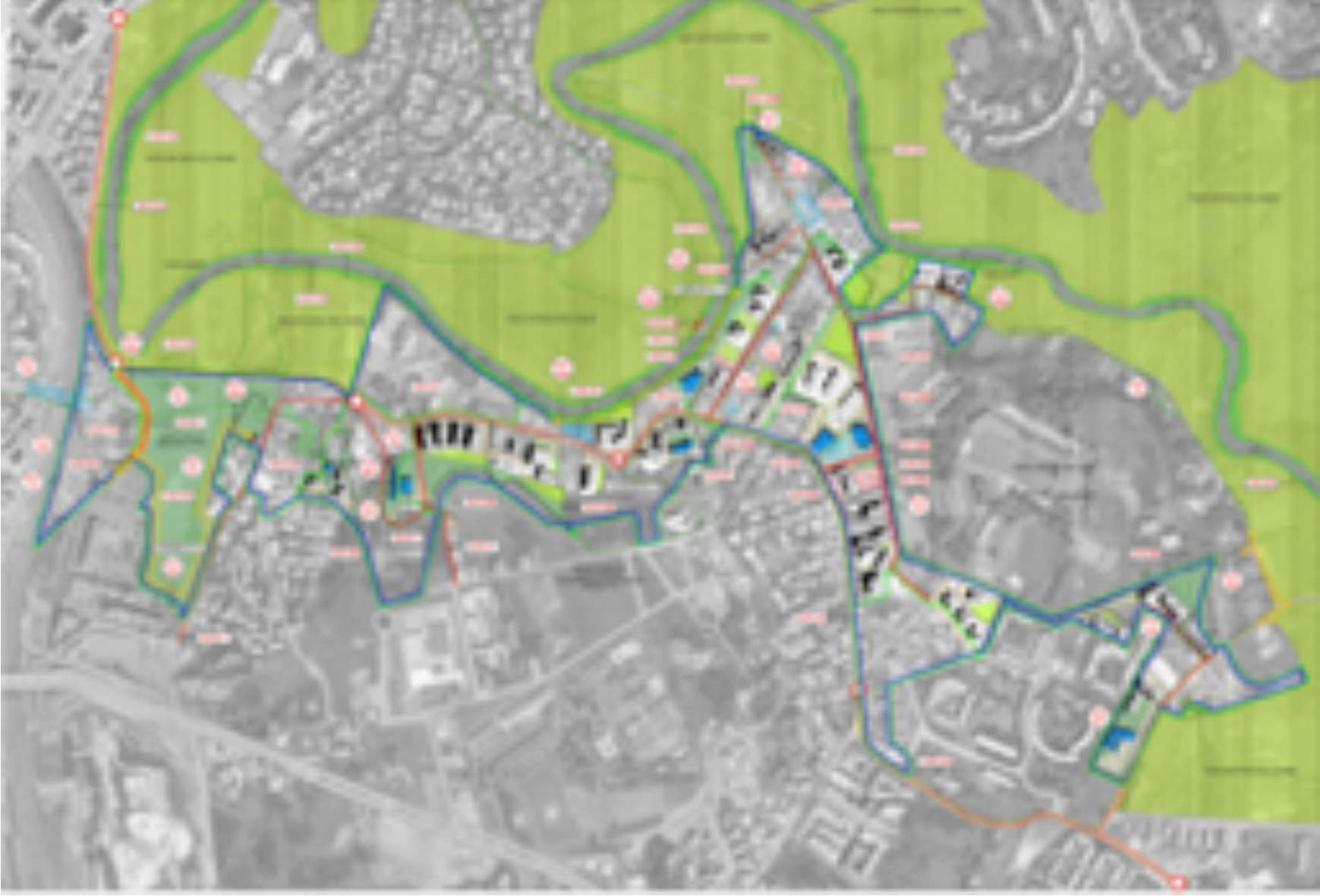
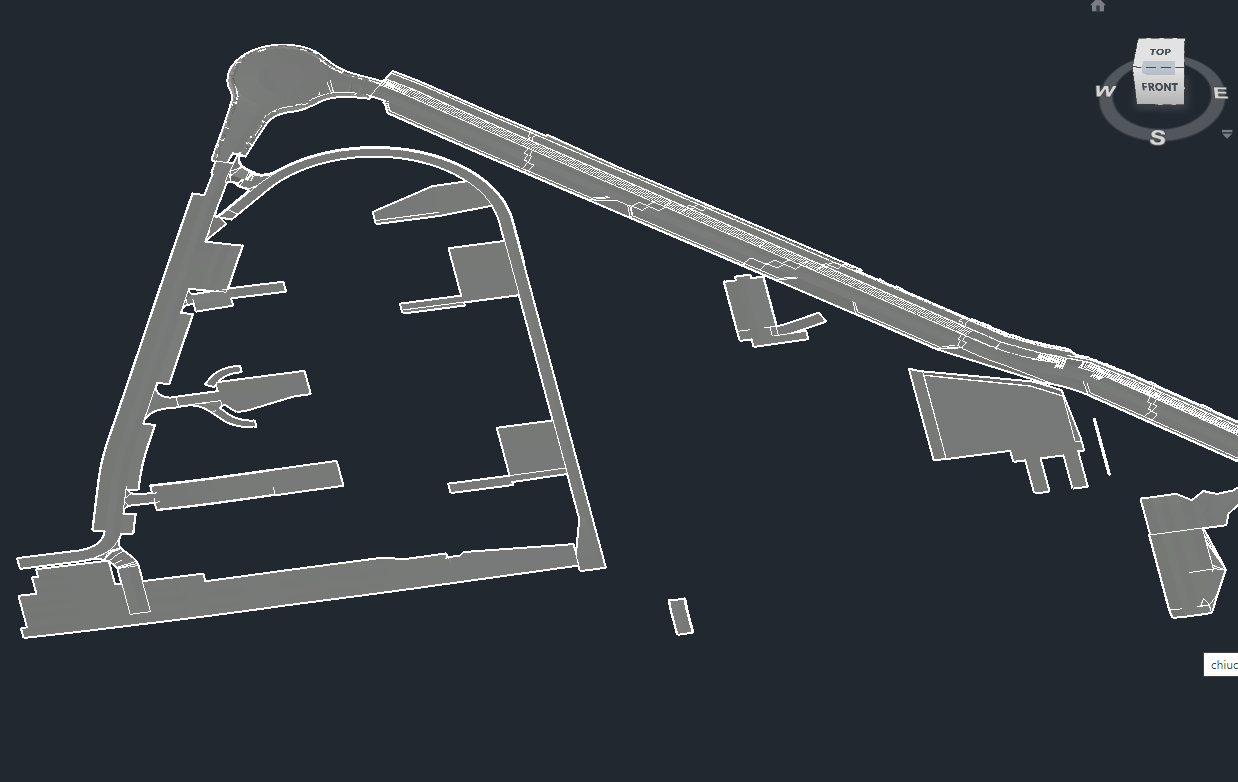
Project Overview - Pietralata is a strategic urban regeneration plan covering approximately 63 hectares in Rome’s northeast quadrant. It aims to revitalize a historically underserved district through integrated public and private investments totaling over €53 million
__________
Infrastructure Components
Mobility Enhancements:
Upgrading Via di Pietralata with new sidewalks, roundabouts, and public parking.
Improved internal road network with lighting and pedestrian safety features.
Integration with Metro Line B and multimodal hubs like Ponte Mammolo.
Hydraulic Safety Works:
Construction of reinforced green embankments near the Aniene River.
Elevation of road segments to mitigate flood risk.
Public Services & Facilities:
New theater, community center, nurseries, and municipal market.
Creation of green corridors and cycle-pedestrian paths linking parks and neighborhoods.
Environmental Integration:
Development of Parco dell’Acqua Vergine and other landscaped areas.
Ecological connectivity through urban green belts and public plazas.
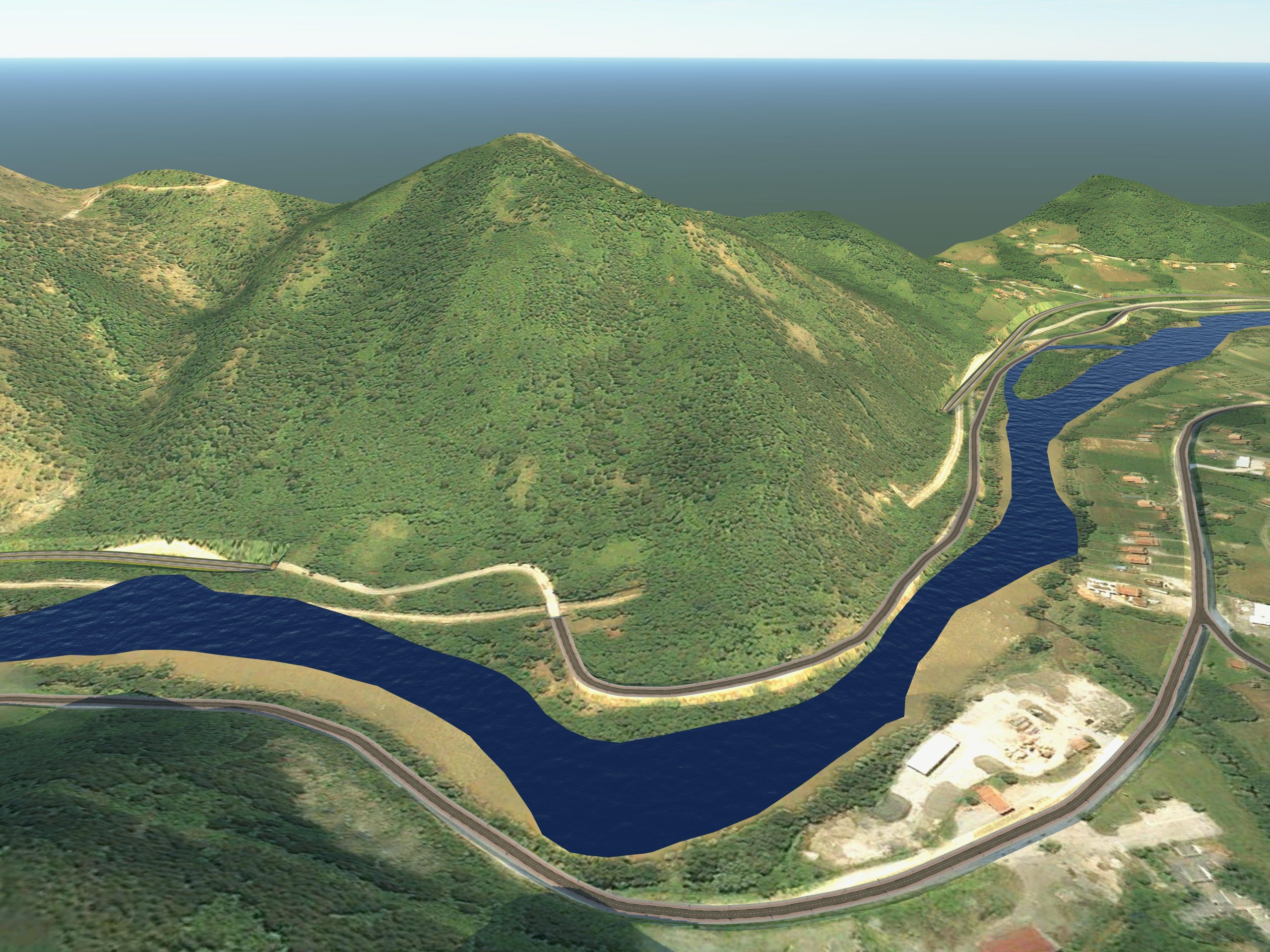
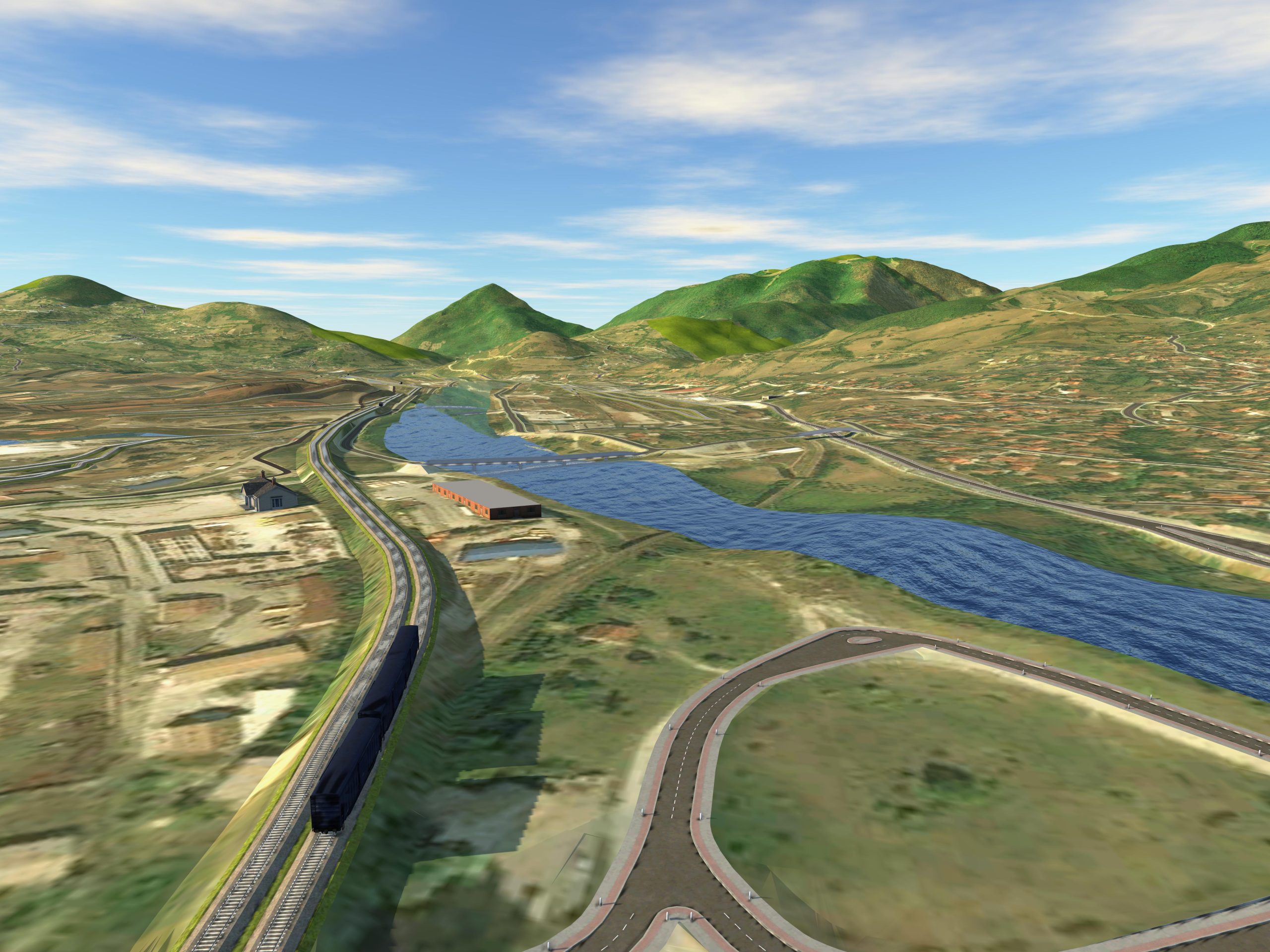
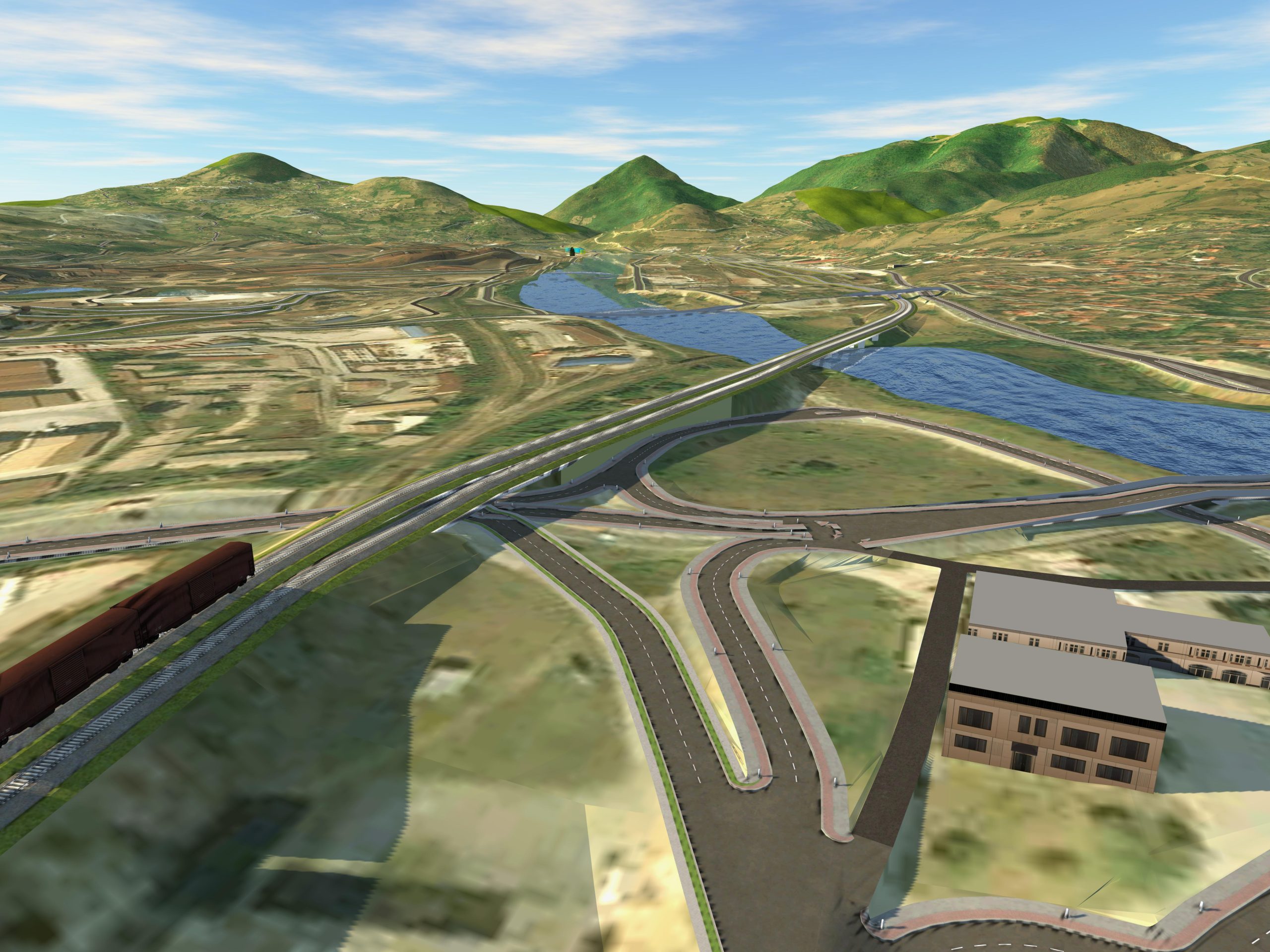
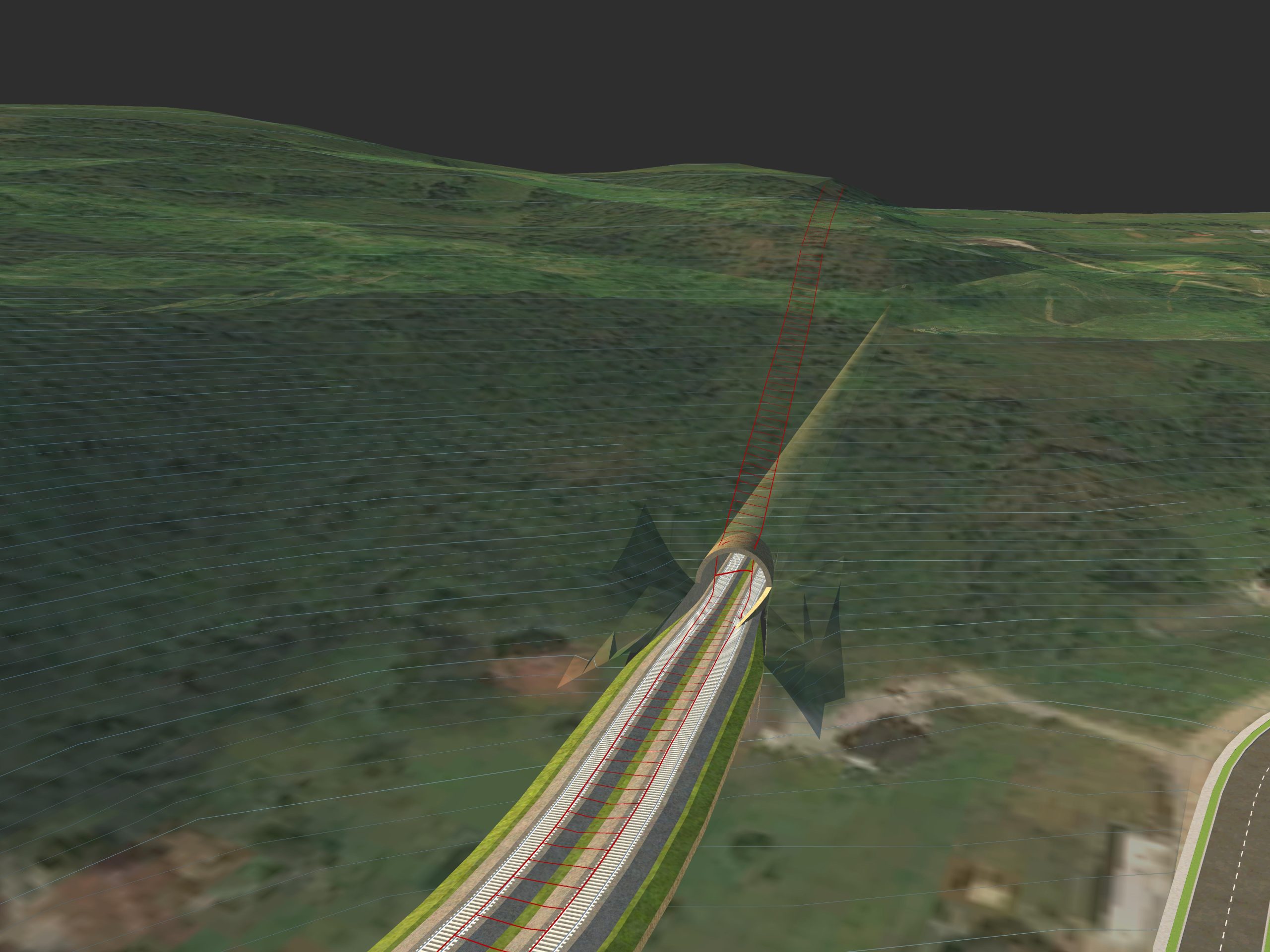
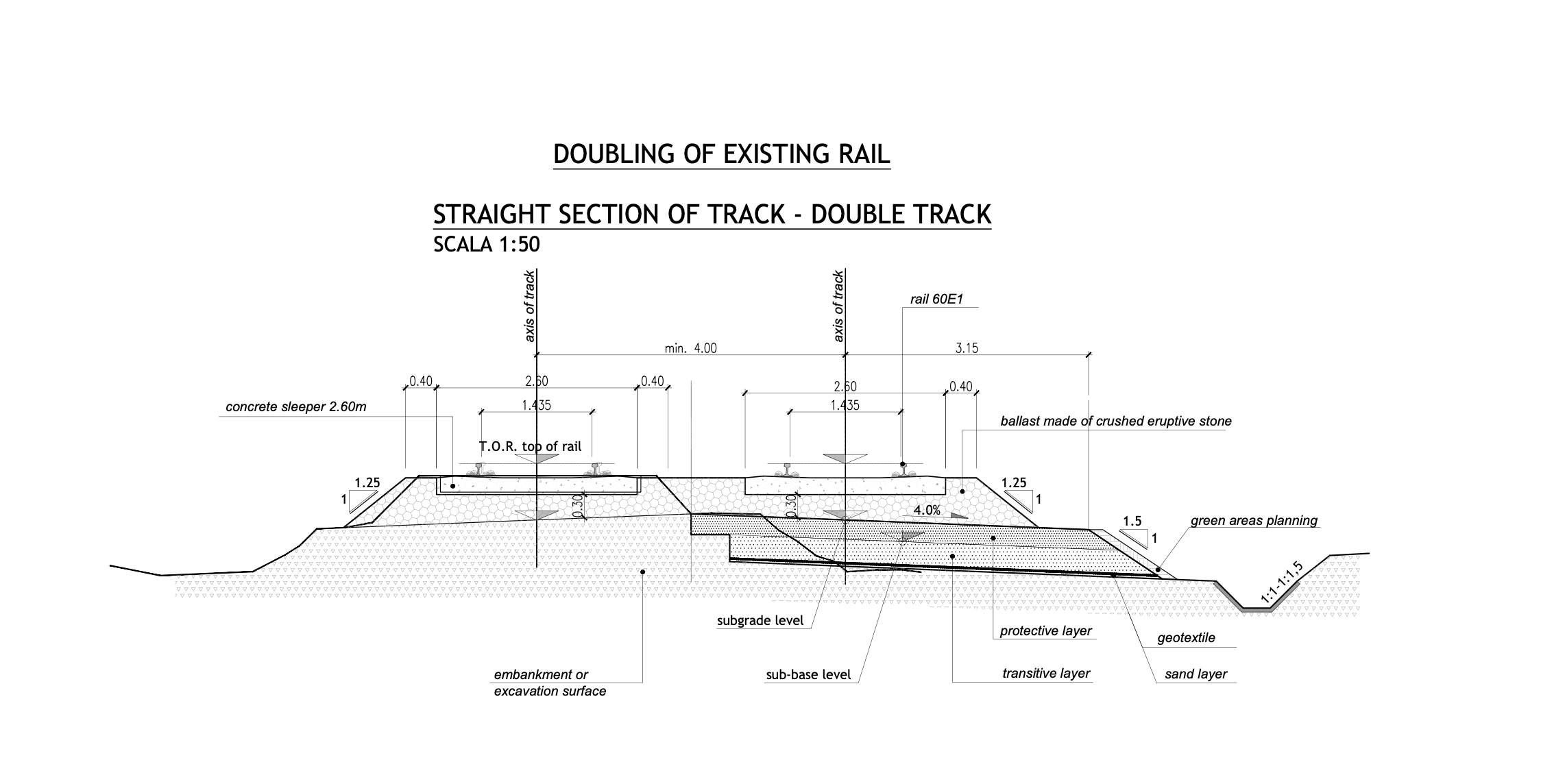
The Sarajevo–Doboj High-Speed Railway is a strategic infrastructure initiative aimed at improving regional connectivity and freight mobility across central Bosnia. The line spans approximately 240 kilometers, linking the capital city with the industrial hub of Doboj through mountainous terrain and river valleys.
Track Design: Dual standard-gauge electrified tracks (1435 mm) designed for speeds up to 200 km/h.
Tunneling & Bridges: The route requires 15 tunnels (totaling 28 km) and 22 viaducts due to complex topography, including a 4.5 km tunnel under the Dinaric Alps.
Electrification: 25 kV AC overhead lines compatible with European interoperability standards.
Signaling Systems: Implementation of ETCS Level 2 for automated control and improved safety.
Stations: Five newly designed intermodal terminals featuring platform accessibility, real-time scheduling systems, and cargo transfer zones.
Measures include noise mitigation barriers, eco-passage structures for wildlife, and sustainable sourcing of construction materials.
Over 2,000 local jobs are expected to be created during the construction phase.
Phase I (surveying and geotechnical assessment) was completed in June 2025.
Phase II (civil works and track laying) is underway, with a targeted operational launch in early 2029.
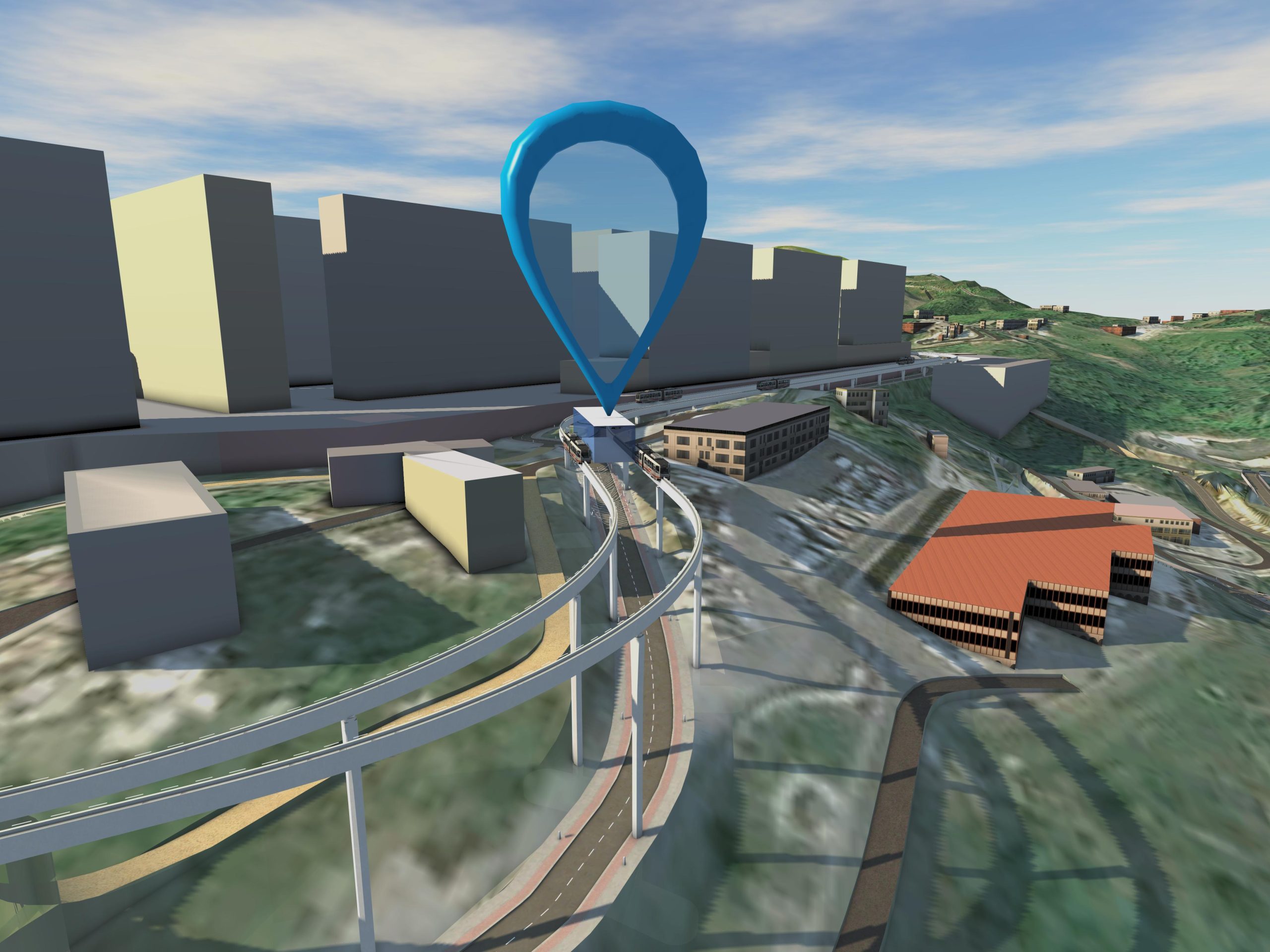
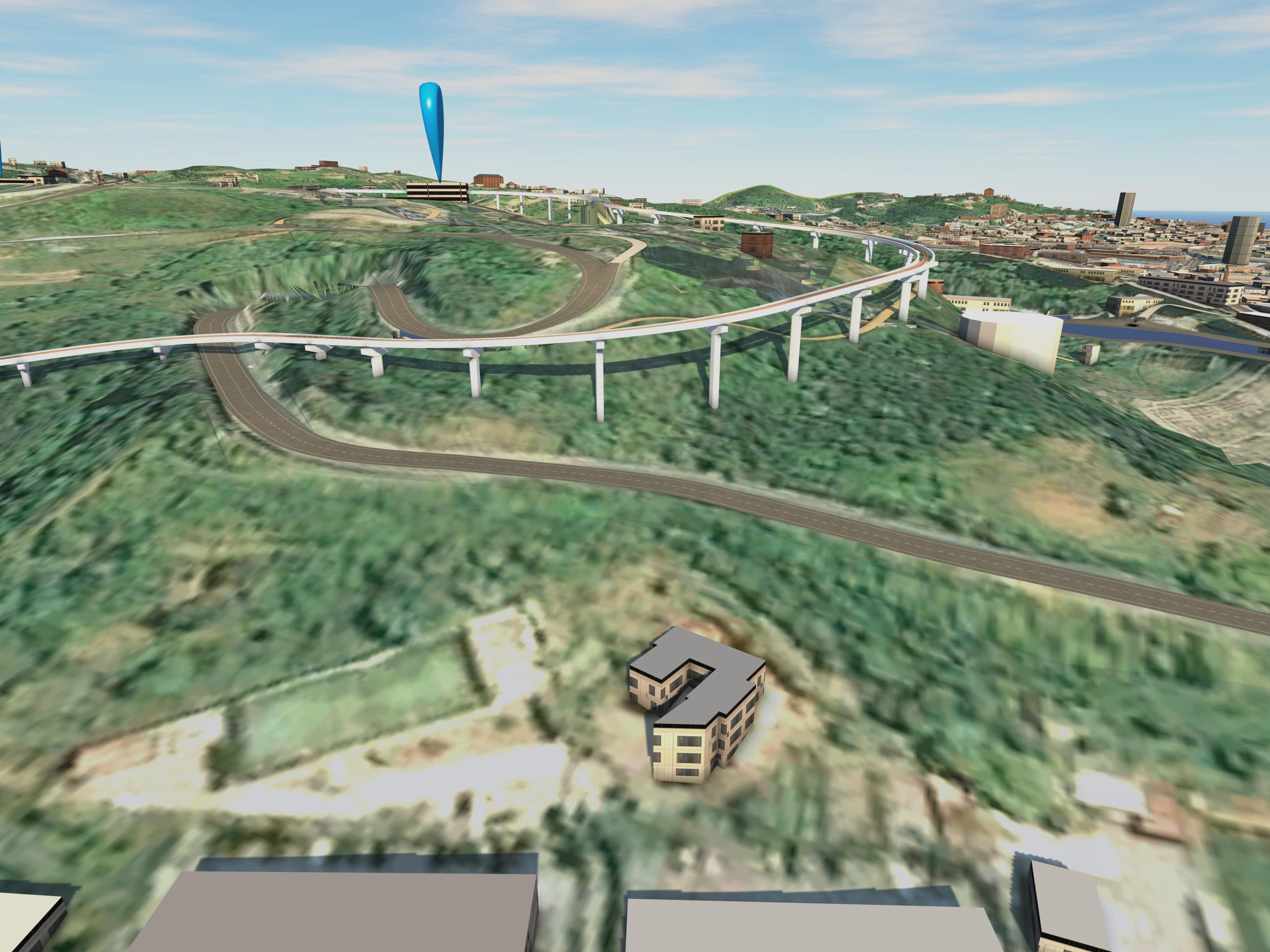
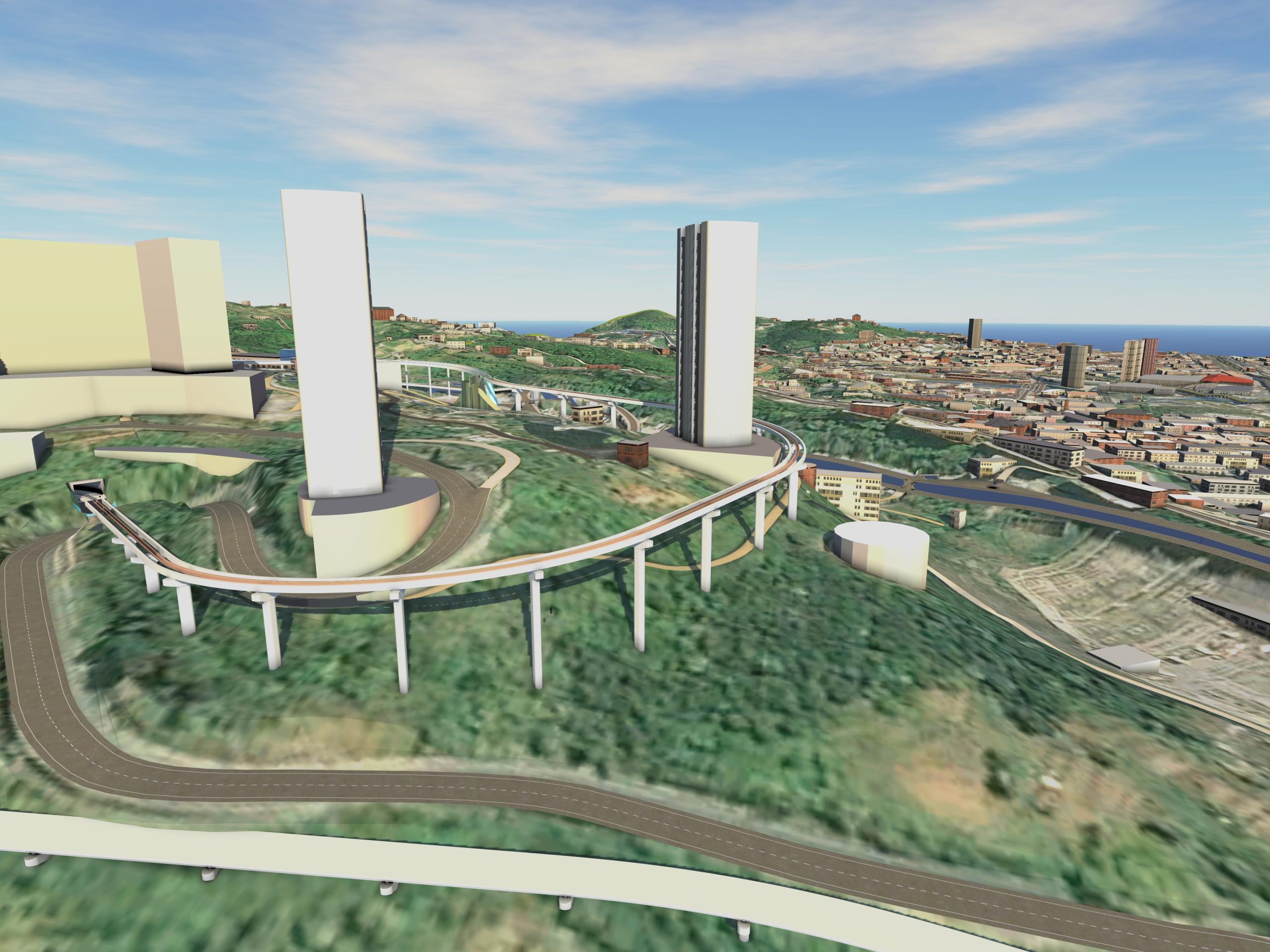
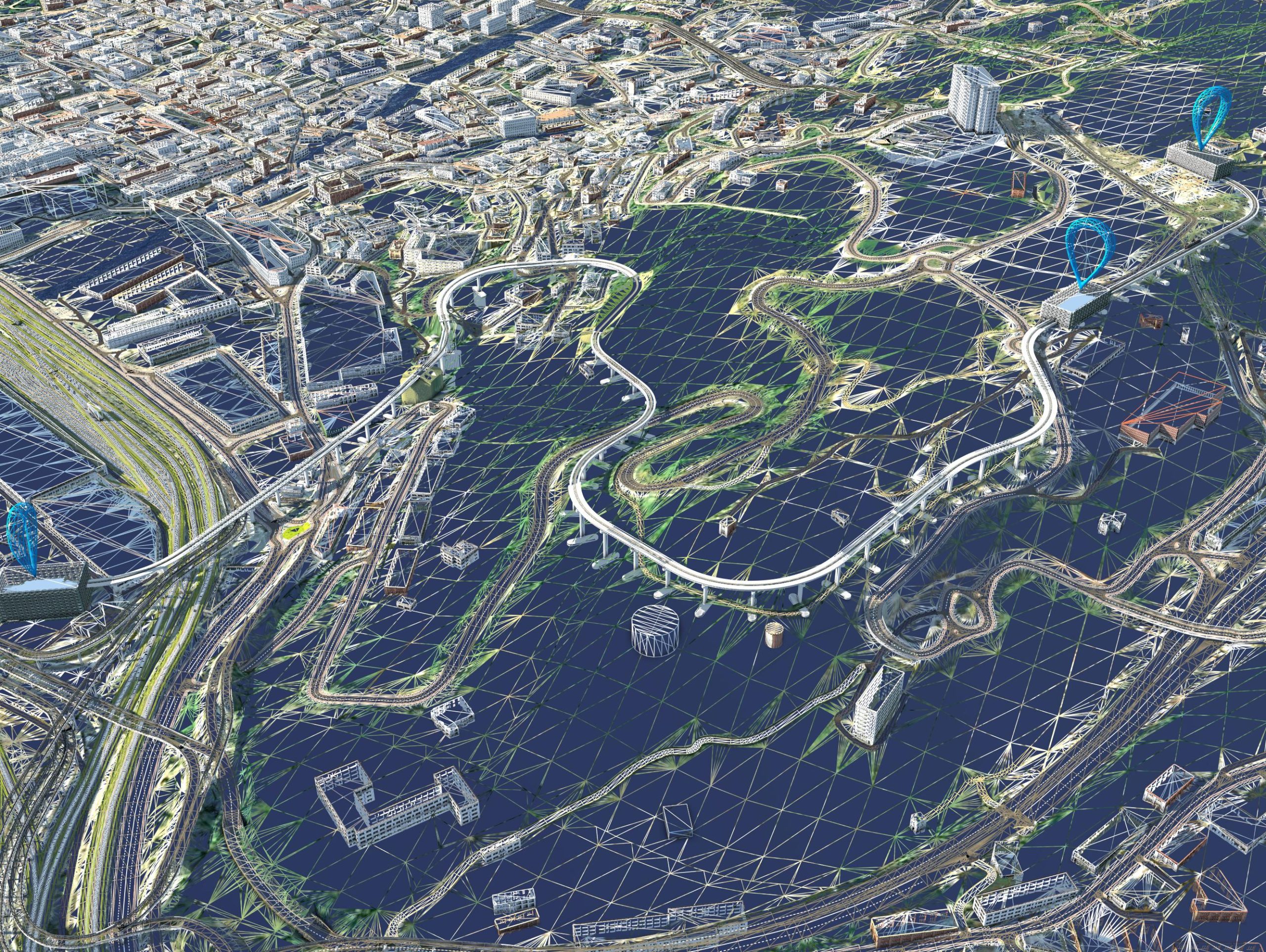
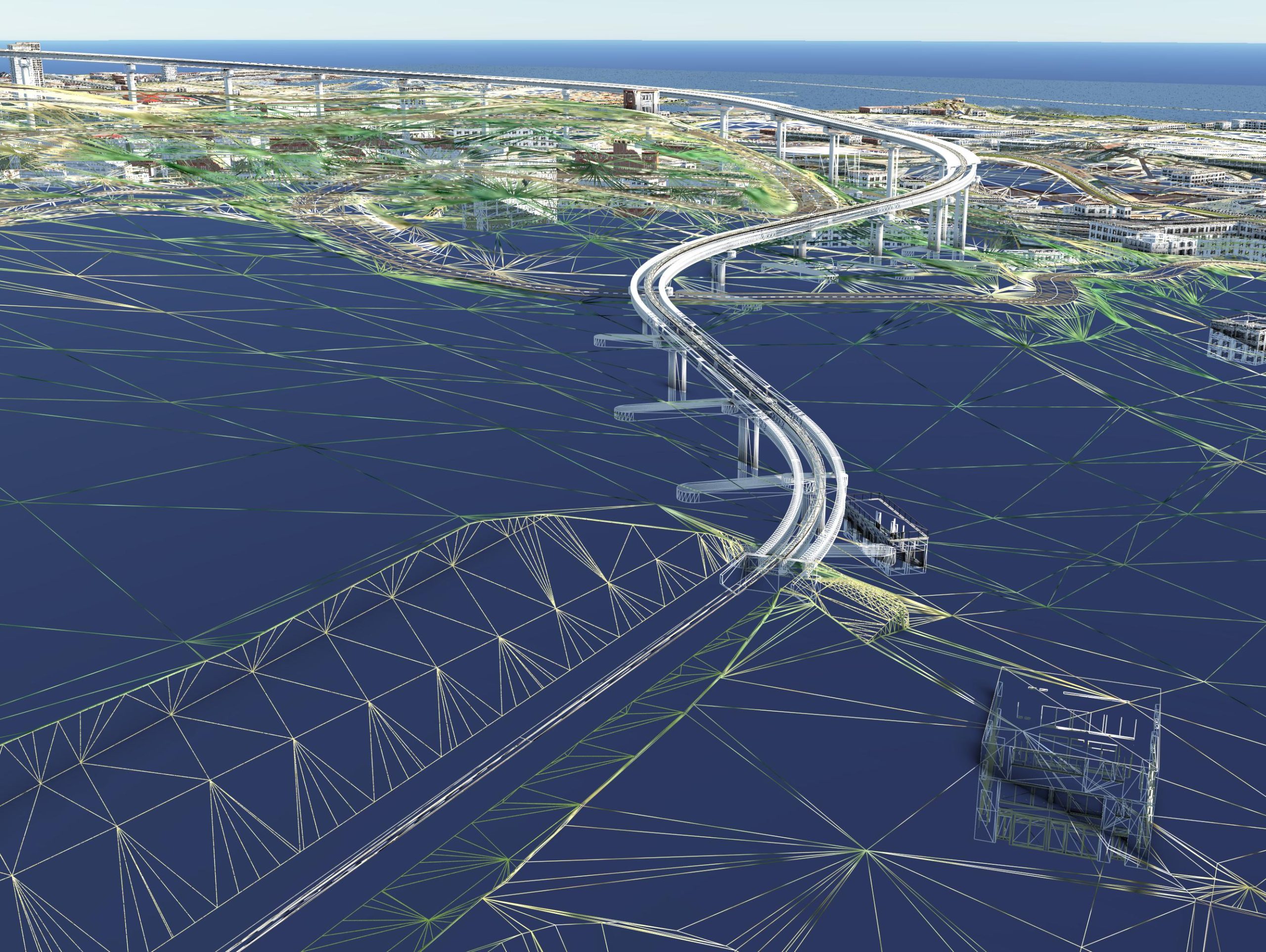
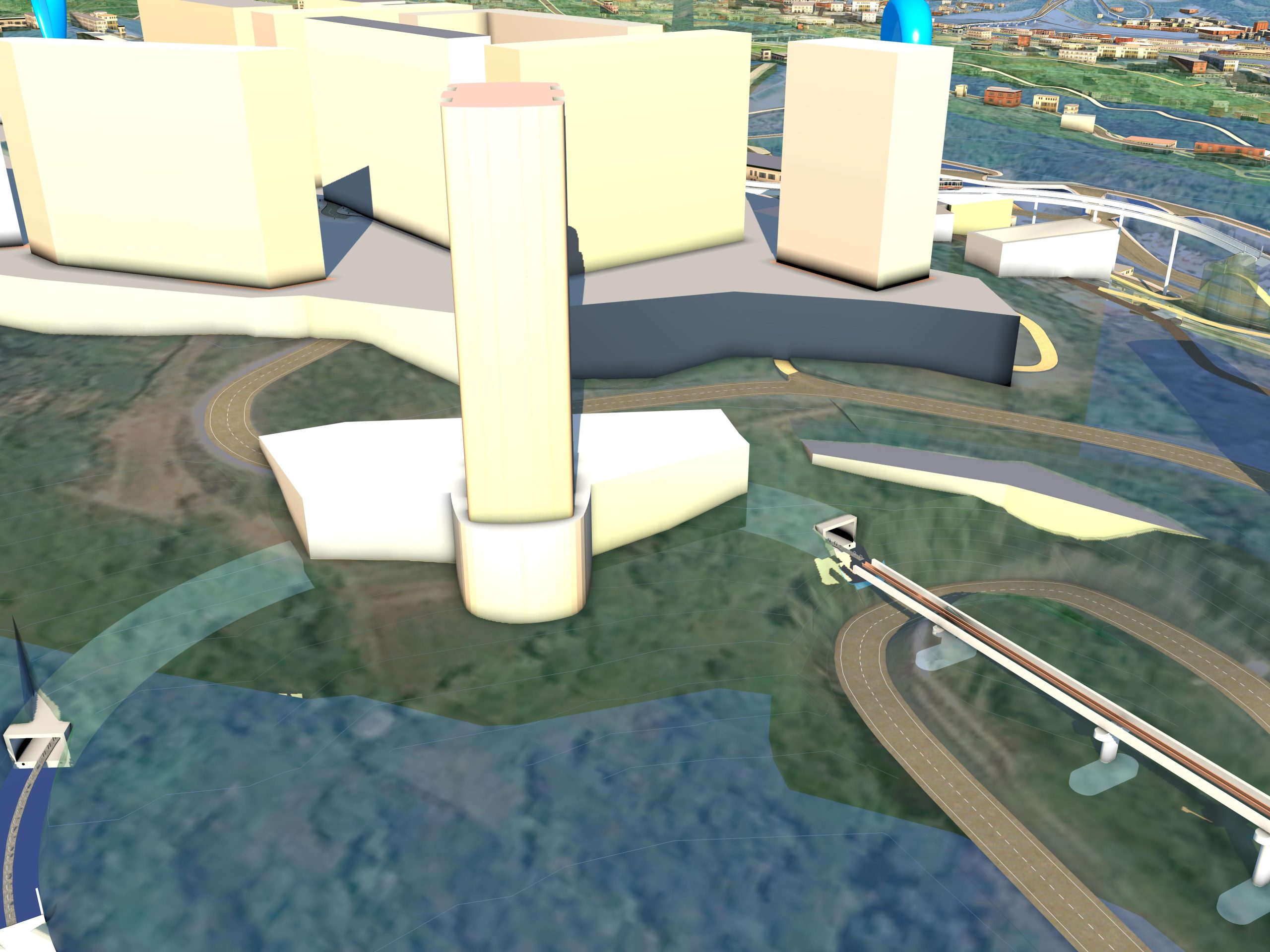
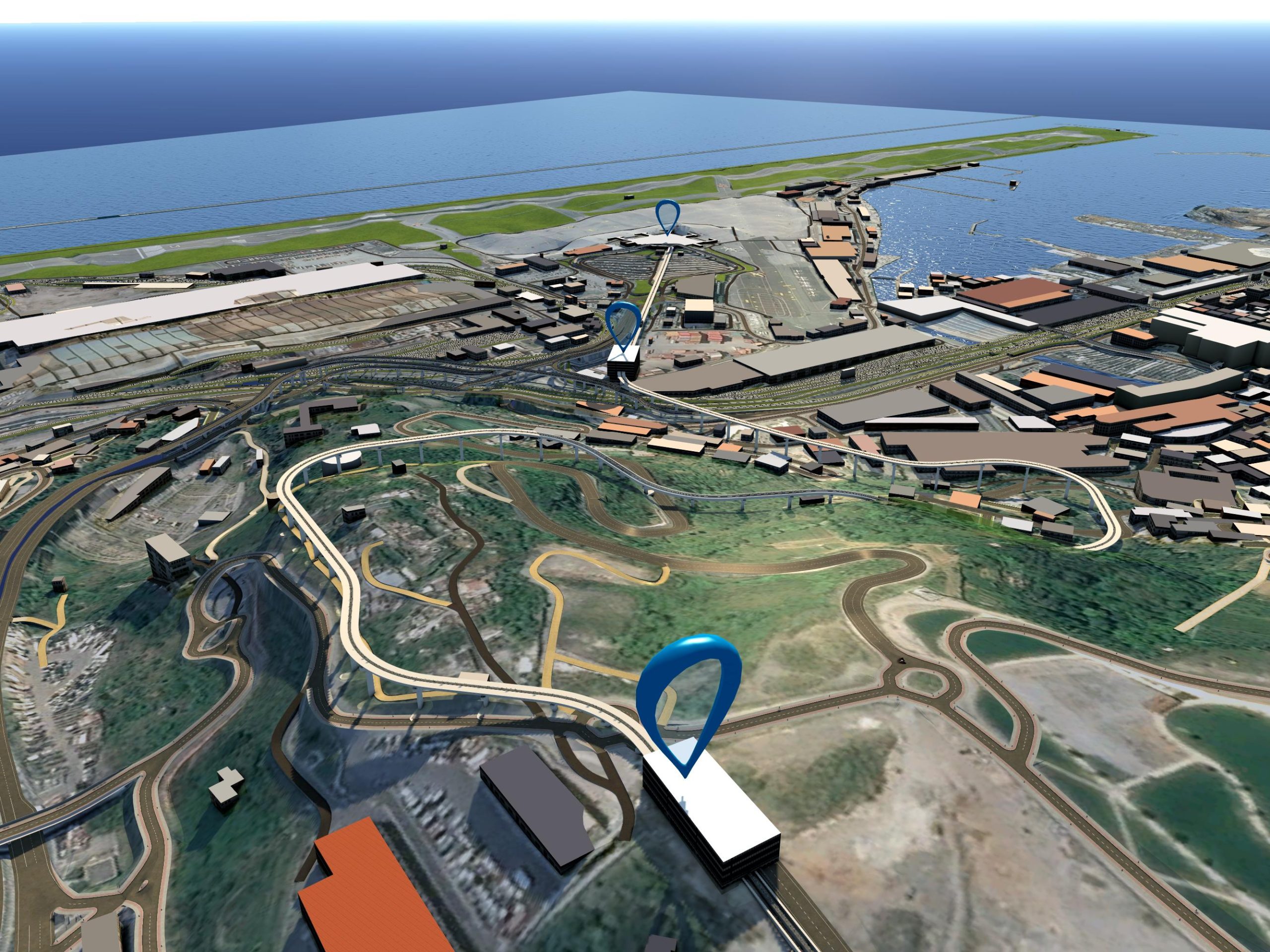
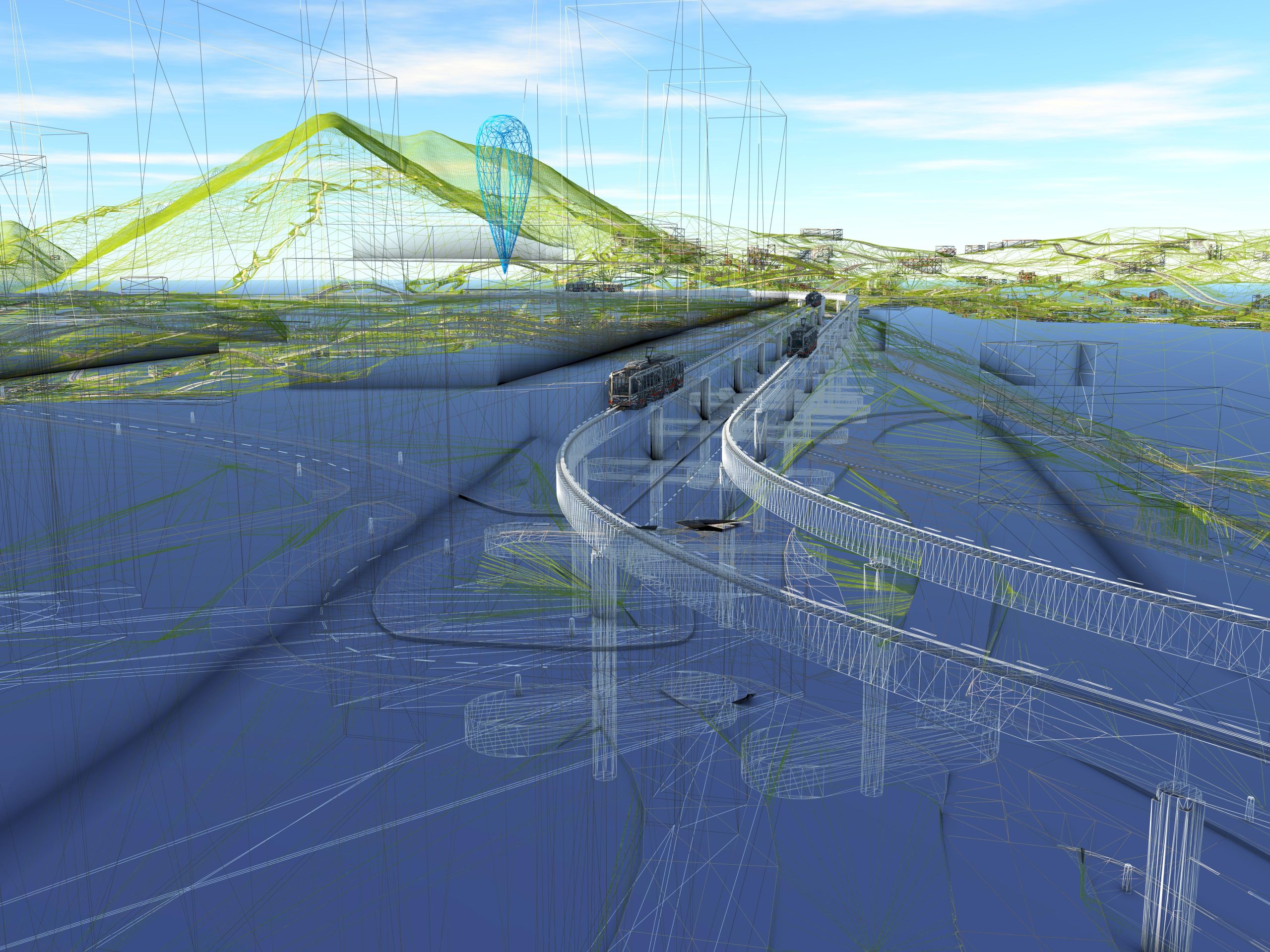
The Monorail in Genova, Italy, is an elevated transportation system designed to improve urban mobility while minimizing ground-level traffic congestion. It serves as part of the city's push toward sustainable and innovative infrastructure.
Track Type: The monorail utilizes a single beam—typically concrete or steel—elevated on pylons, supporting rubber-tired trains.
Propulsion System: Powered by electricity, the trains use linear induction motors, ensuring quiet, efficient operation with low environmental impact.
Guidance & Control: The system relies on advanced automated train control (ATC), integrating real-time monitoring and fail-safe redundancies.
Stations & Accessibility: Modular platforms are designed to blend with urban architecture and include elevator access for universal mobility.
Energy Efficiency: Regenerative braking systems reduce energy consumption and feed unused power back into the grid.
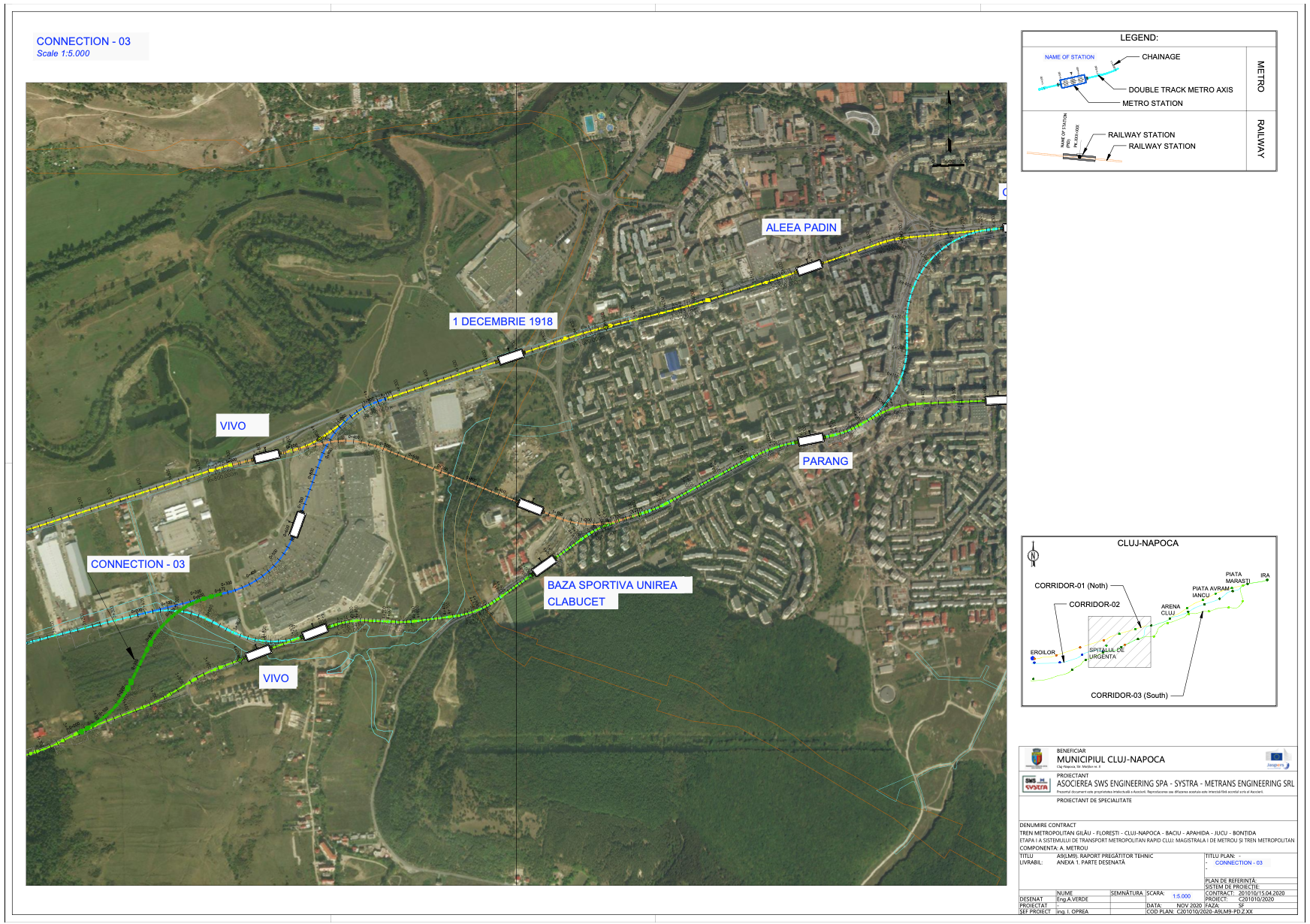
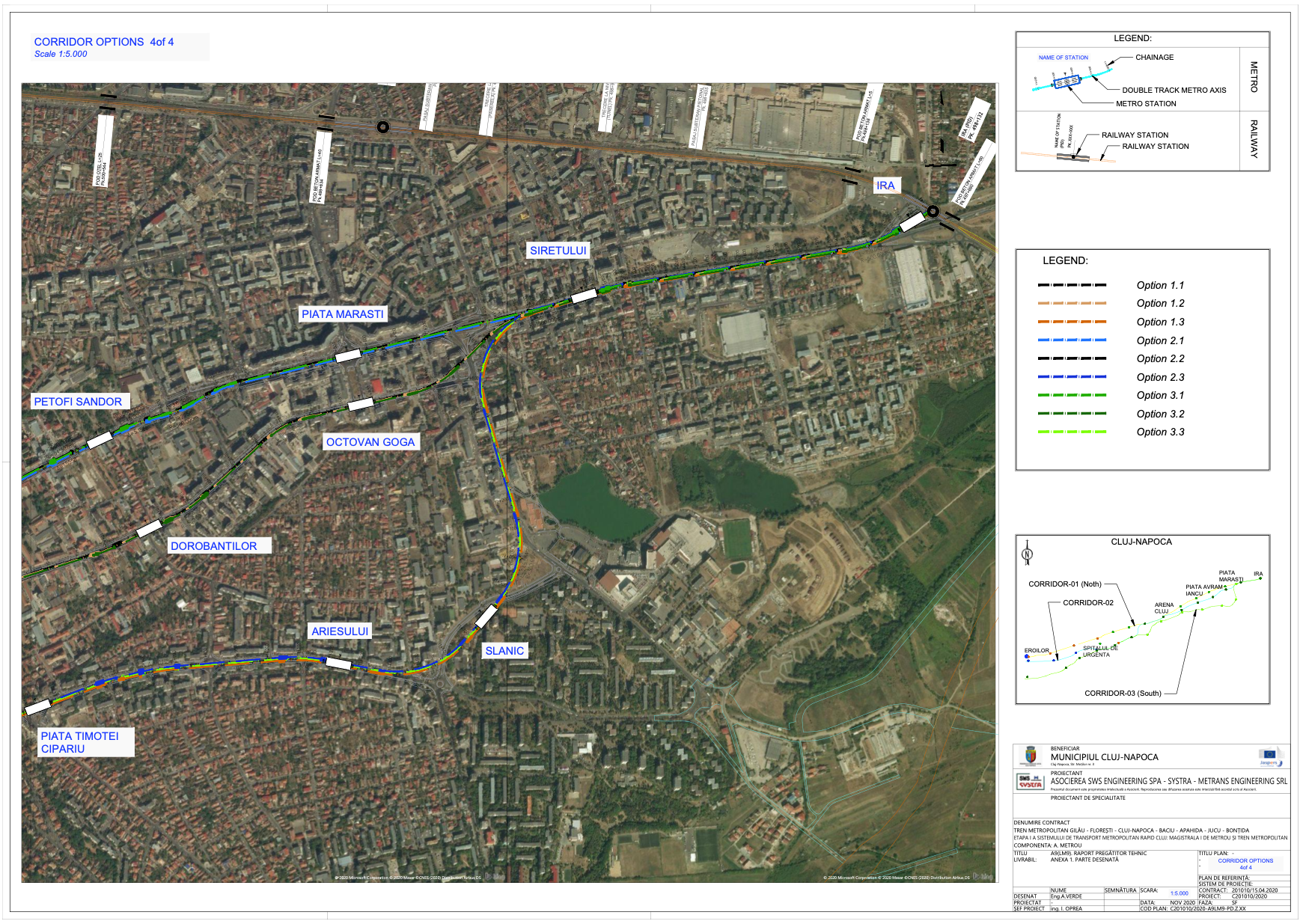
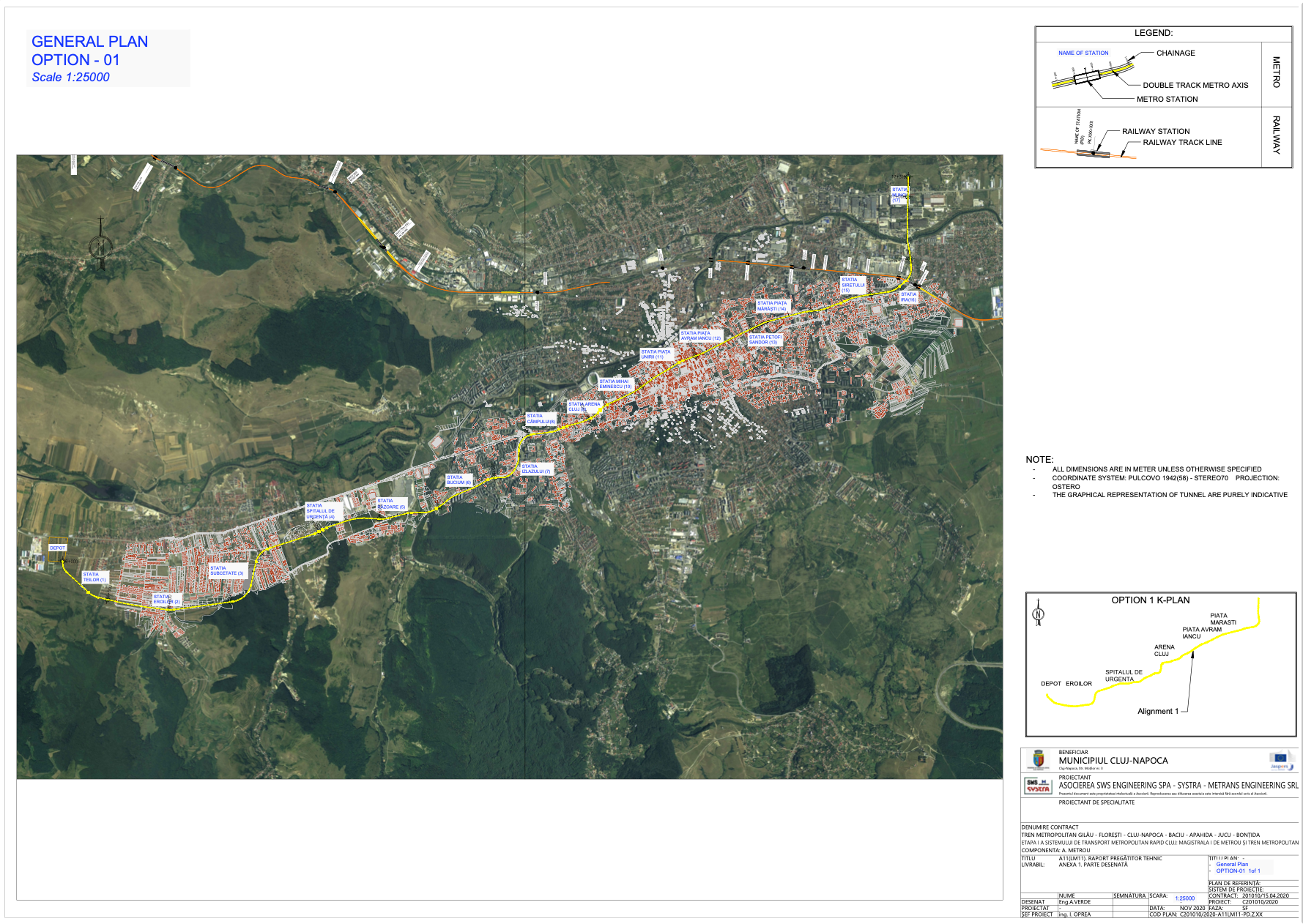
Cluj-Napoca Metro Track Engineering Overview
The Cluj-Napoca Metro employs a slab track system optimized for light metro operations, integrating precast concrete track beds with elastomeric vibration isolation. Track gauge conforms to standard 1435 mm, with continuously welded rails (UIC 60) laid on resilient fastenings to minimize dynamic load transmission. The alignment tolerances adhere to EN 13803-2 for urban railways, ensuring sub-millimeter precision in curvature and cant transitions.
Turnouts utilize tangential geometry with swing-nose crossings, actuated via electro-hydraulic drives for high-speed diverging routes. Rail profiles are induction-hardened to mitigate rolling contact fatigue, and embedded track sections in stations and tunnels incorporate grooved rail (Ri60) with polymeric infill for noise attenuation.
The track structure interfaces with a comprehensive E&M suite including CBTC-compatible axle counters, SCADA-integrated track circuits, and platform screen door synchronization. All components conform to UIC, EN, and Romanian national standards, with seismic resilience engineered to Eurocode 8 specifications.
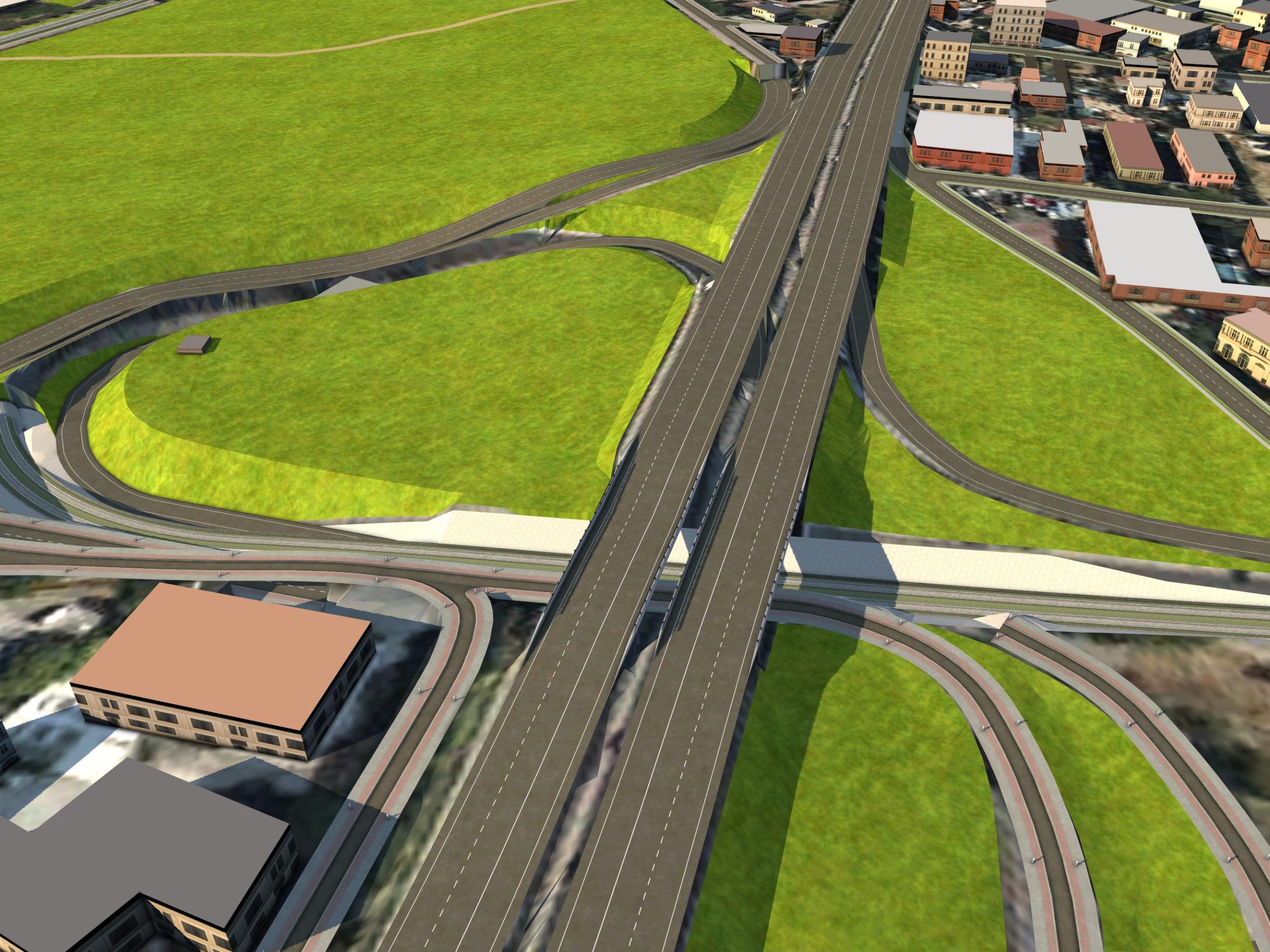
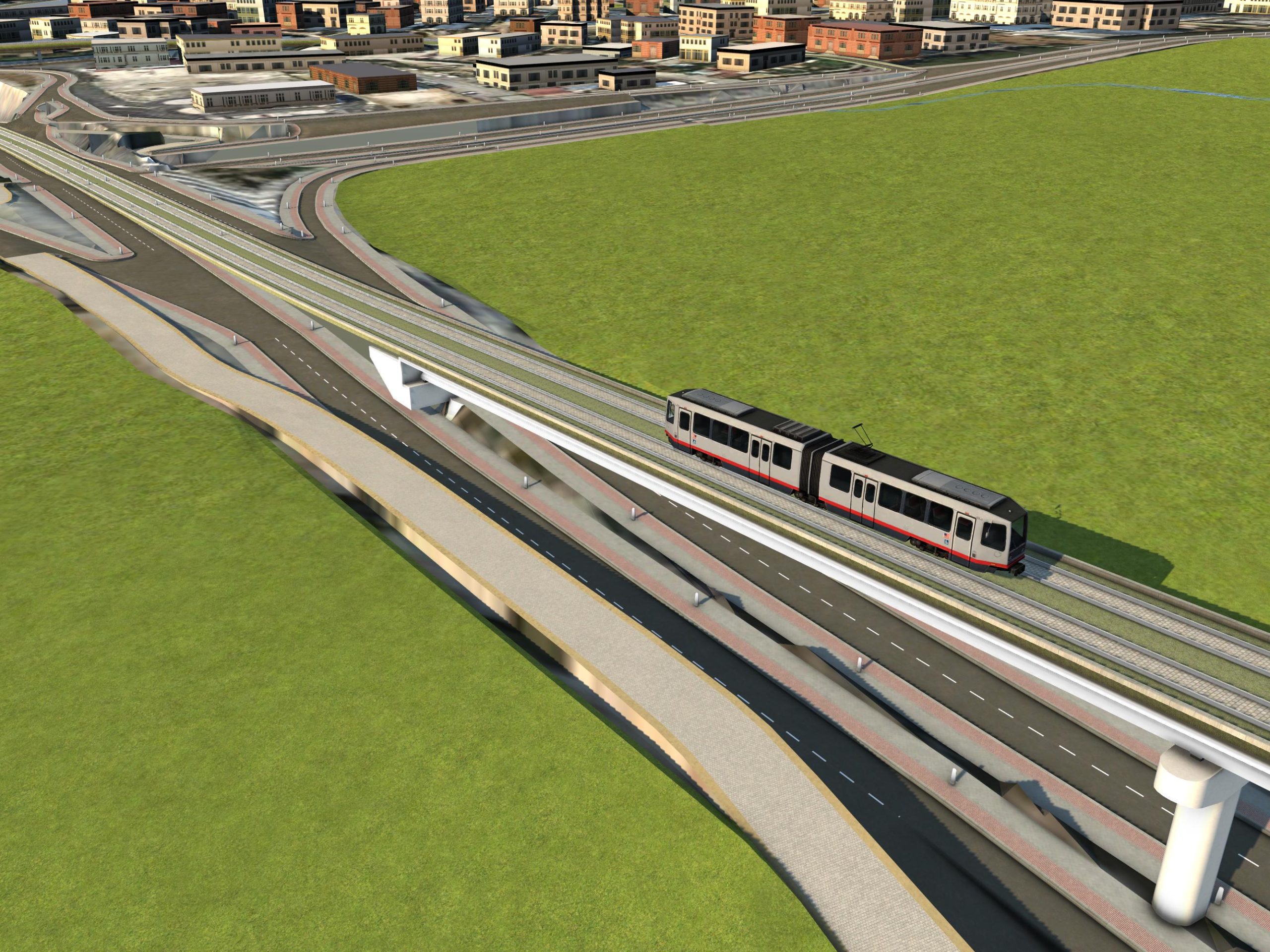
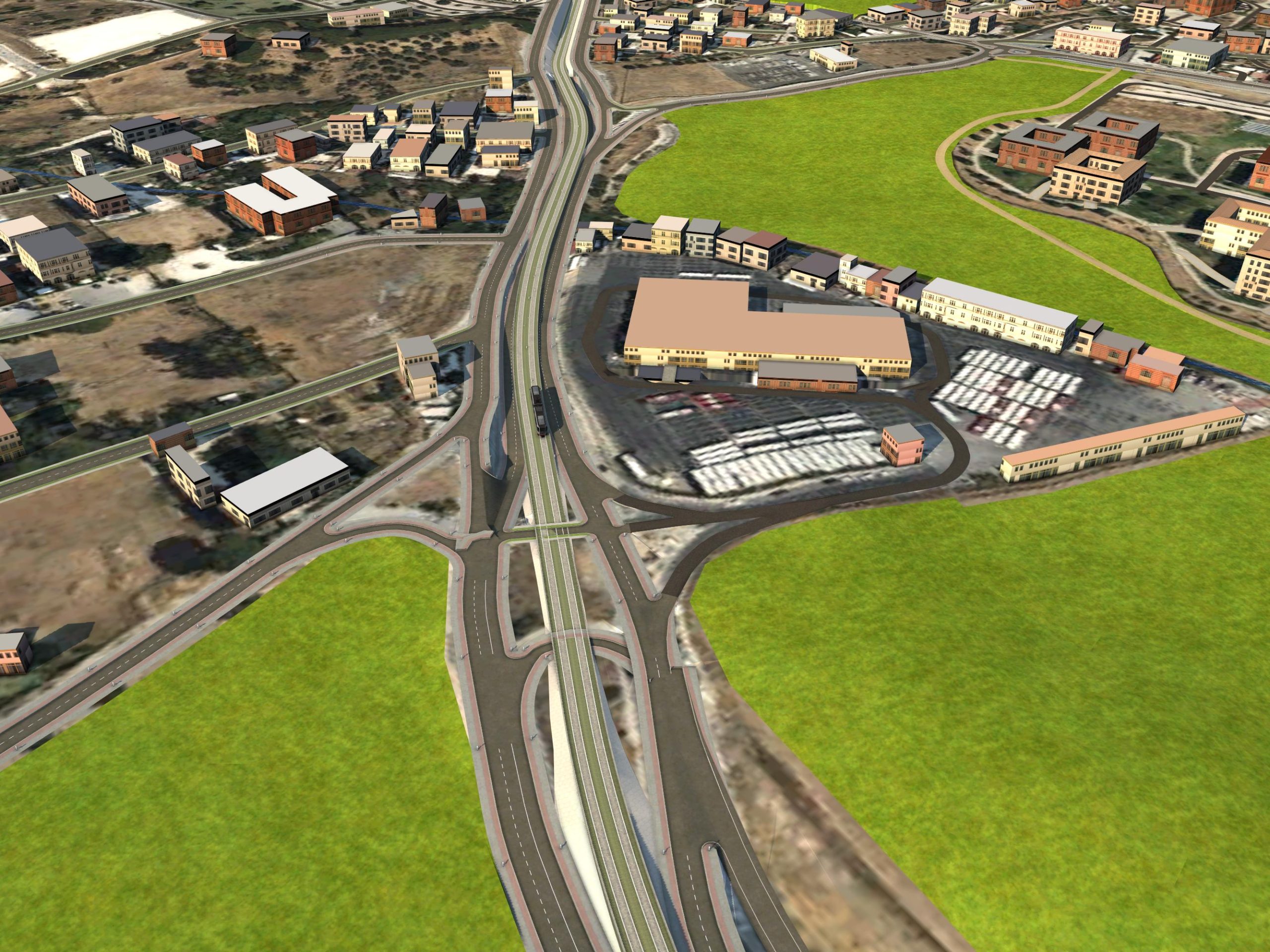
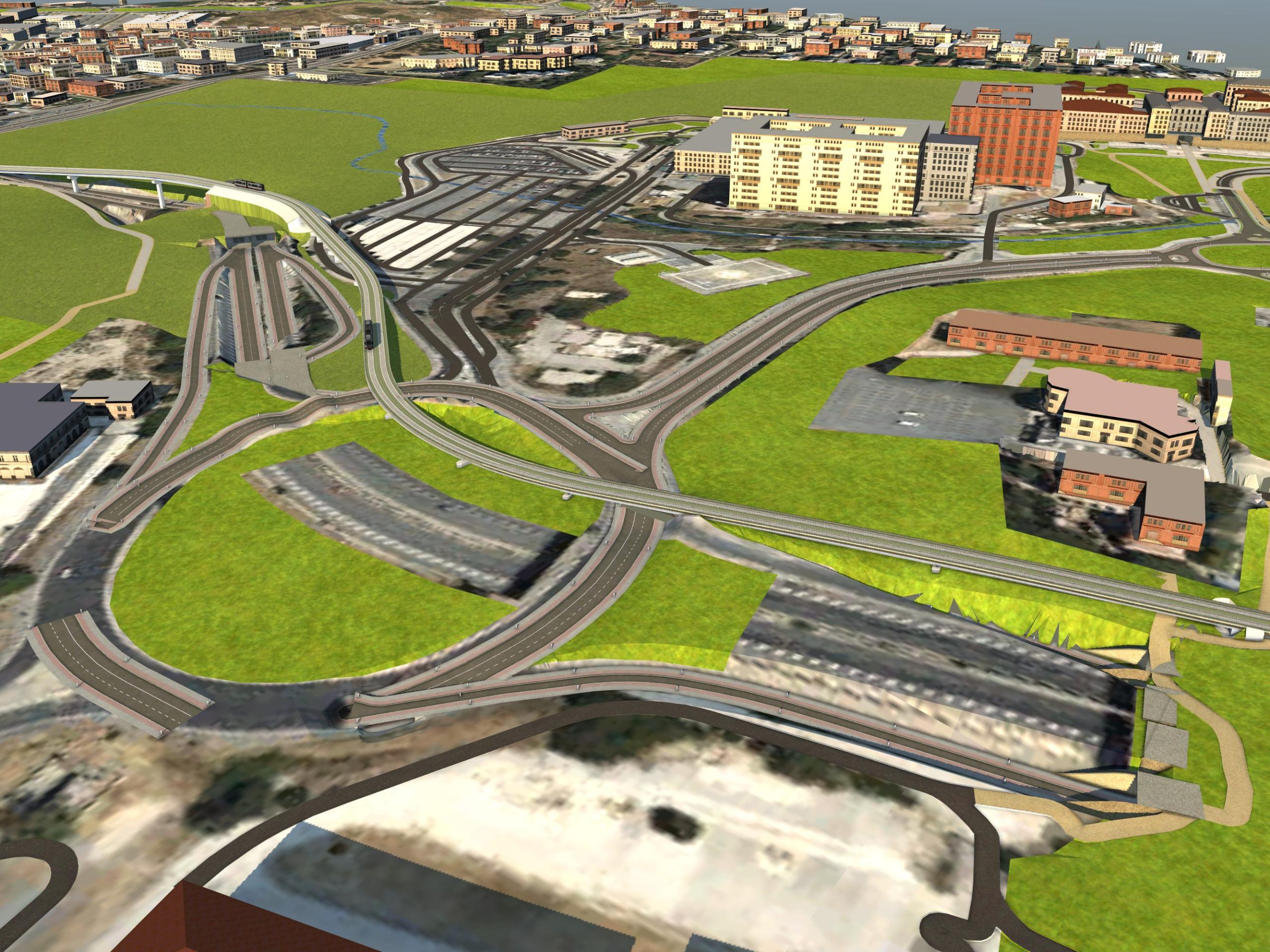
Rome Tram Infrastructure: Torre Angela & Tor Vergata Viaduct
The Torre Angela tram segment operates on embedded grooved rail (Ri60) within a reinforced concrete slab track system, optimized for urban integration and low acoustic emission. Track geometry adheres to UNI 8379 standards, with horizontal alignment tolerances within ±2 mm and vertical profile deviations constrained to ±1 mm over 10 m chord length. Rail fastenings employ resilient boot systems with elastomeric pads to mitigate ground-borne vibration and reduce wheel-rail impact forces.
The Tor Vergata viaduct section utilizes a ballasted deck track over post-tensioned concrete spans, integrating UIC 60 rails on pre-stressed monobloc sleepers with Pandrol e-clip assemblies. Expansion joints are designed per EN 1991-2 load models, accommodating thermal dilation up to ±25 mm. Lateral restraint is achieved via shear key assemblies embedded in the parapet beams, ensuring transverse stability under dynamic tram loads.
Drainage systems incorporate longitudinal scuppers and transverse weep holes, with hydrophobic membrane isolation to prevent alkali-silica reaction in the substructure. Track circuit continuity is maintained via impedance bonds and insulated rail joints, compatible with ATC signaling protocols.
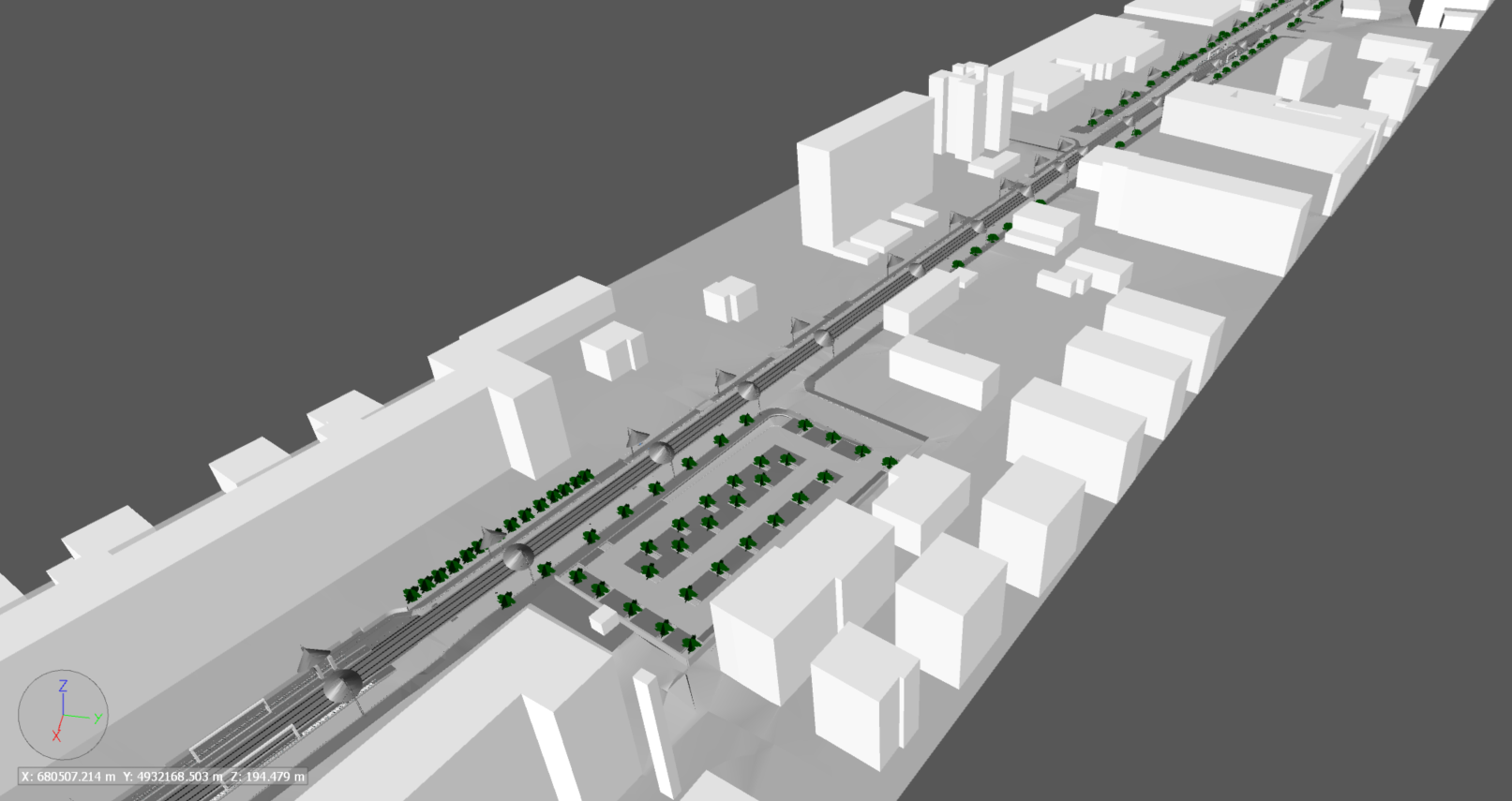
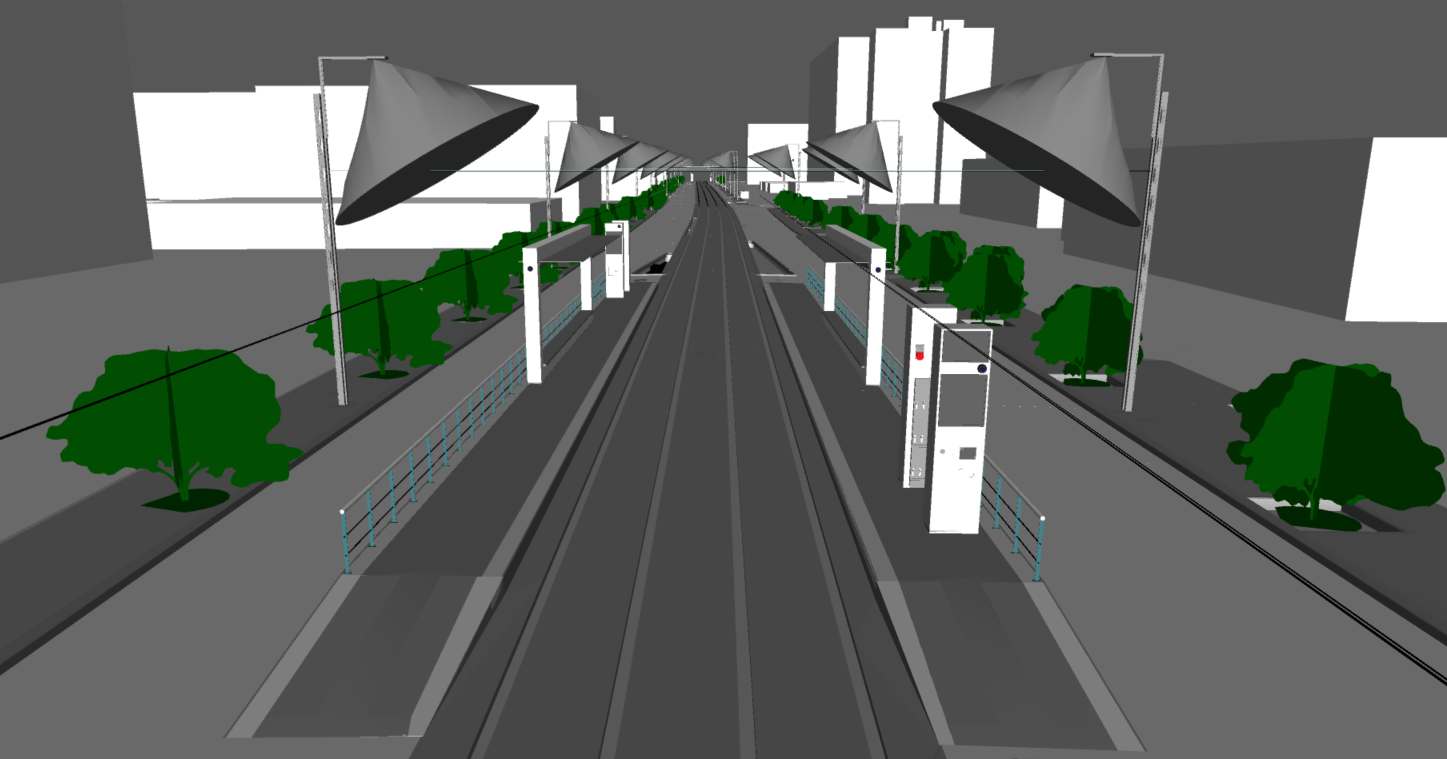
Technical Overview: Bologna Tram Track Infrastructure
The Bologna tramway system employs a dual-track configuration laid predominantly on segregated right-of-way to ensure minimal modal interference. The superstructure consists of continuously welded 60E1 rails mounted on resilient fastenings over prestressed concrete slabs, with embedded track sections utilizing elastomeric encapsulation for vibration attenuation and electromagnetic compatibility in urban zones.
Track geometry adheres to UNI 11146 standards, with a minimum curve radius of 25 m and cant optimization for bidirectional low-floor rolling stock. Vertical alignment incorporates superelevation transitions and gradient compensation, particularly at intermodal nodes and terminal loops. Drainage systems are integrated within the track bed via longitudinal slot channels and geotextile layers to mitigate hydrostatic pressure and subgrade erosion.
The slab track system is dimensioned for axle loads exceeding 100 kN, with dynamic amplification factors considered under EN 14363. Expansion joints and rail lubricators are positioned at strategic curvature points to reduce wear and acoustic emissions. The track interface with the urban pavement is sealed using polymer-modified bitumen to ensure continuity and prevent ingress of particulate matter.
BIM-Based Engineering Coordination Using WBS Standards
Project Scope The Telese–Vitulano section forms a strategic corridor of the Naples–Bari highway improvement project, aimed at enhancing mobility across southern Italy. It includes viaducts, embankments, interchanges, and service areas—all coordinated under a digital BIM environment.
BIM & WBS Integration
Modeling Uniforms by WBS: BIM elements were categorized into standardized design “uniforms” (e.g., repeated bridge decks, drainage modules) aligned with a Work Breakdown Structure (WBS).
Each WBS code corresponds to a modeled entity, enabling modular planning, cost estimation, and scheduling.
Uniforms facilitated automation of quantity takeoffs and clash detection during federated model coordination.
Lifecycle Benefits: The uniform WBS-based BIM structure supports full lifecycle management—linking design data with operation and maintenance protocols.
Outcome Through BIM modeling tailored to WBS standards, the Telese–Vitulano section achieved high coordination efficiency, reduced rework, and better tracking of material flows across the construction site.
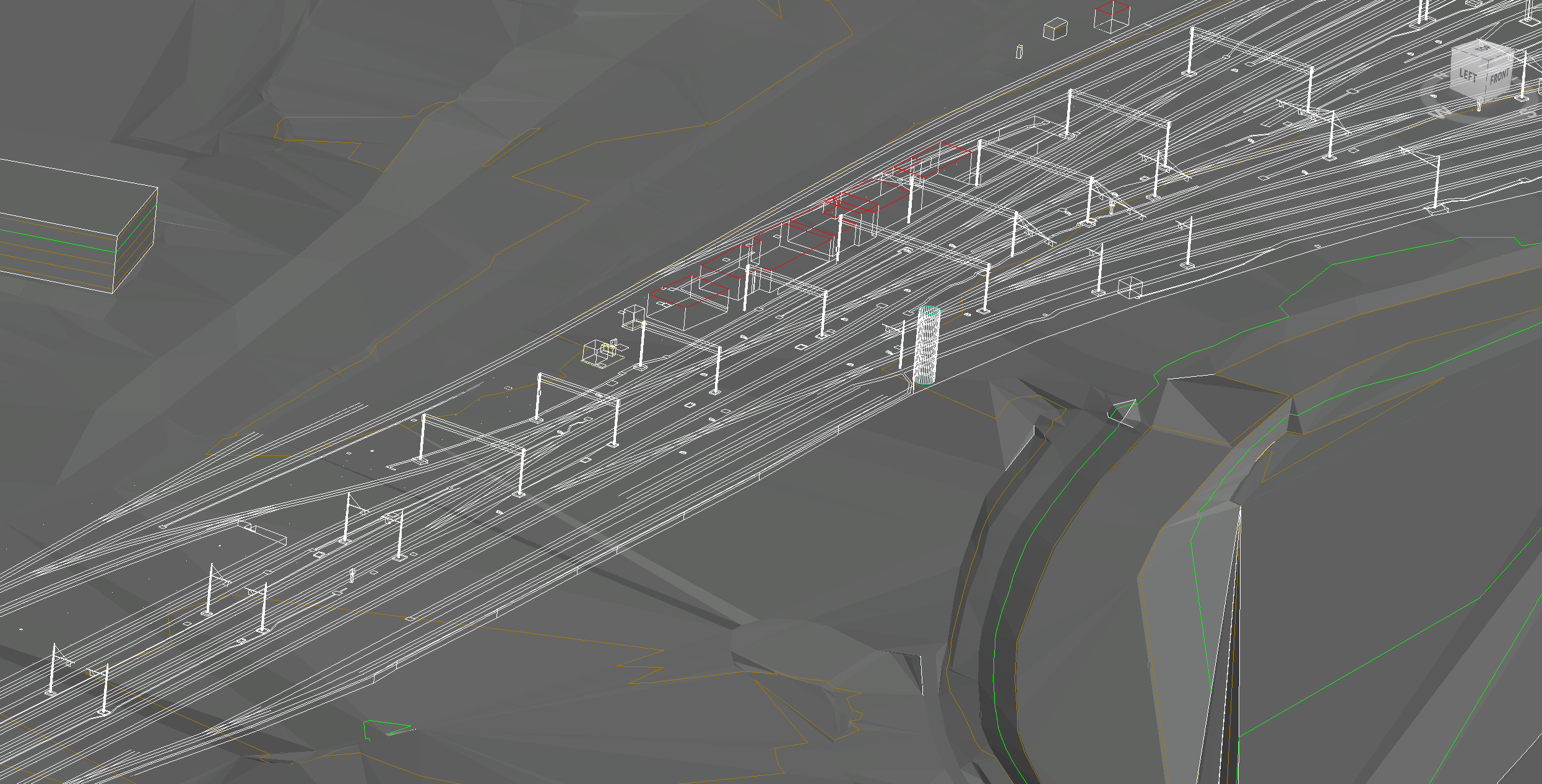
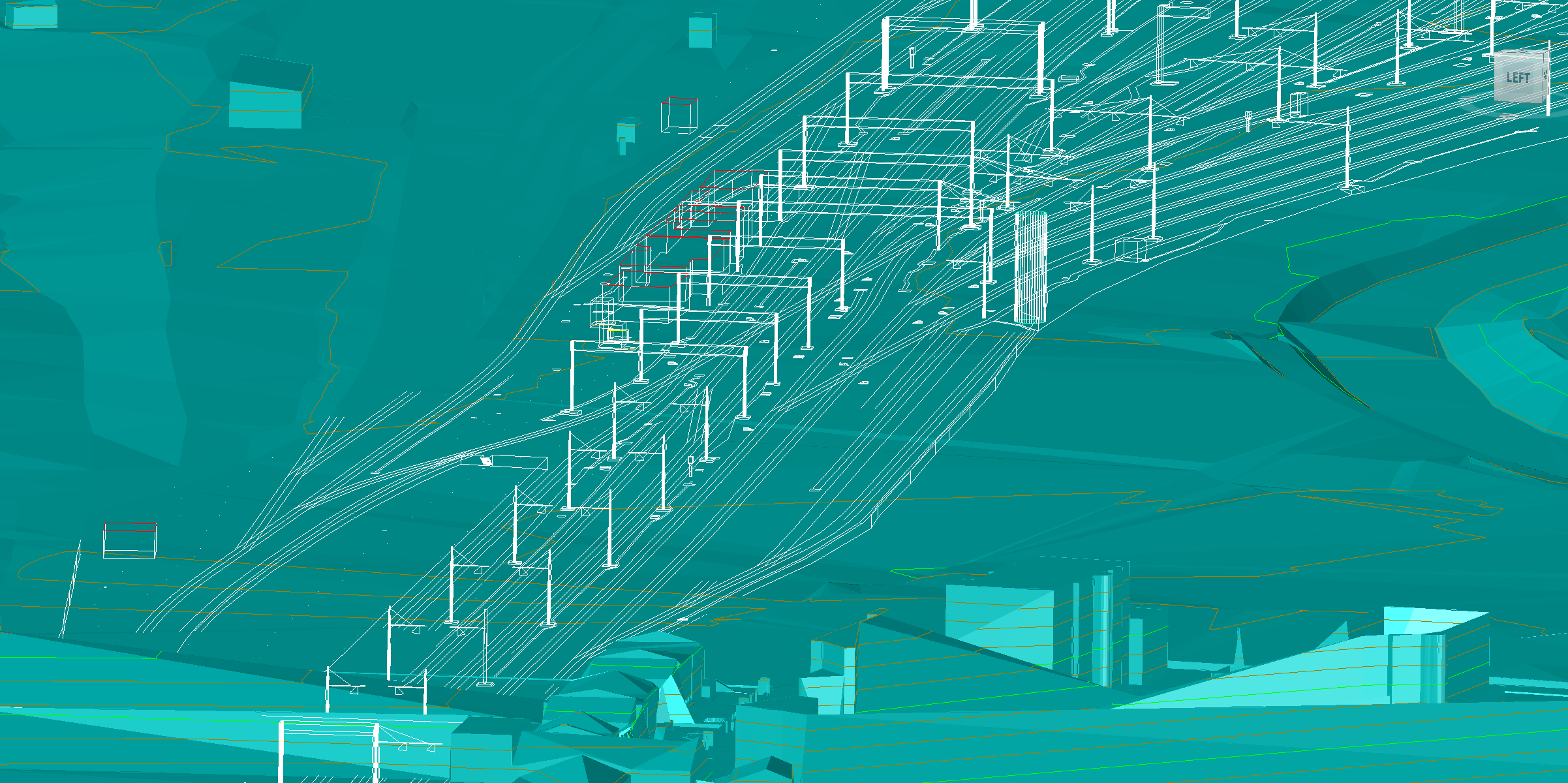
The Verona–Vicenza–Padova railway section is a strategic component of Italy’s high-speed/high-capacity (HS/HC) corridor, integrated into the TEN-T Mediterranean Corridor connecting Spain to Ukraine. Designed to enhance regional mobility and trans-European freight and passenger flow, the line features advanced civil and signaling systems.
Total Length: ~76.6 km across three functional lots.
Track Configuration: Quadrupling of existing lines to separate high-speed and conventional traffic.
Signaling: ERTMS Level 2 digital system by Hitachi Rail STS for optimized train frequency and safety.
Civil Works:
Verona–Bivio Vicenza: 44.2 km, 13 municipalities, extensive embankments and underpasses.
Vicenza Crossing: 6.2 km, includes two new stations (Vicenza Fiera and Vicenza Viale Roma), 12 underpasses, and 11 technical buildings.
Vicenza–Padova: ~26 km (in design phase), with further integration into the national HS network.
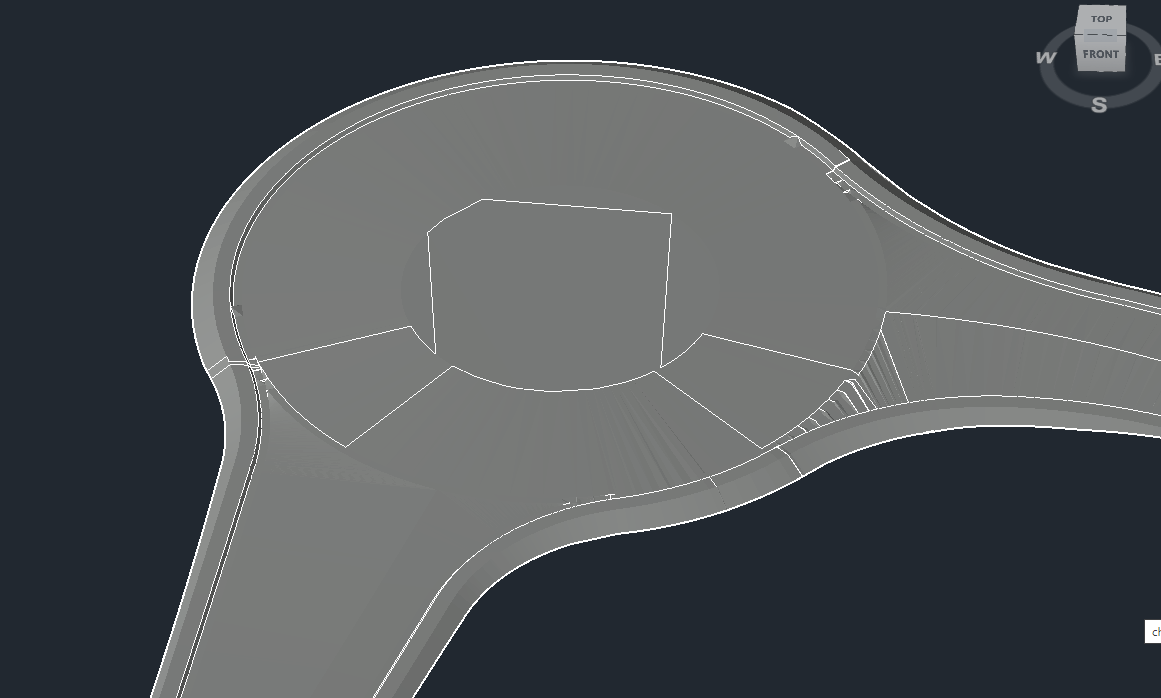
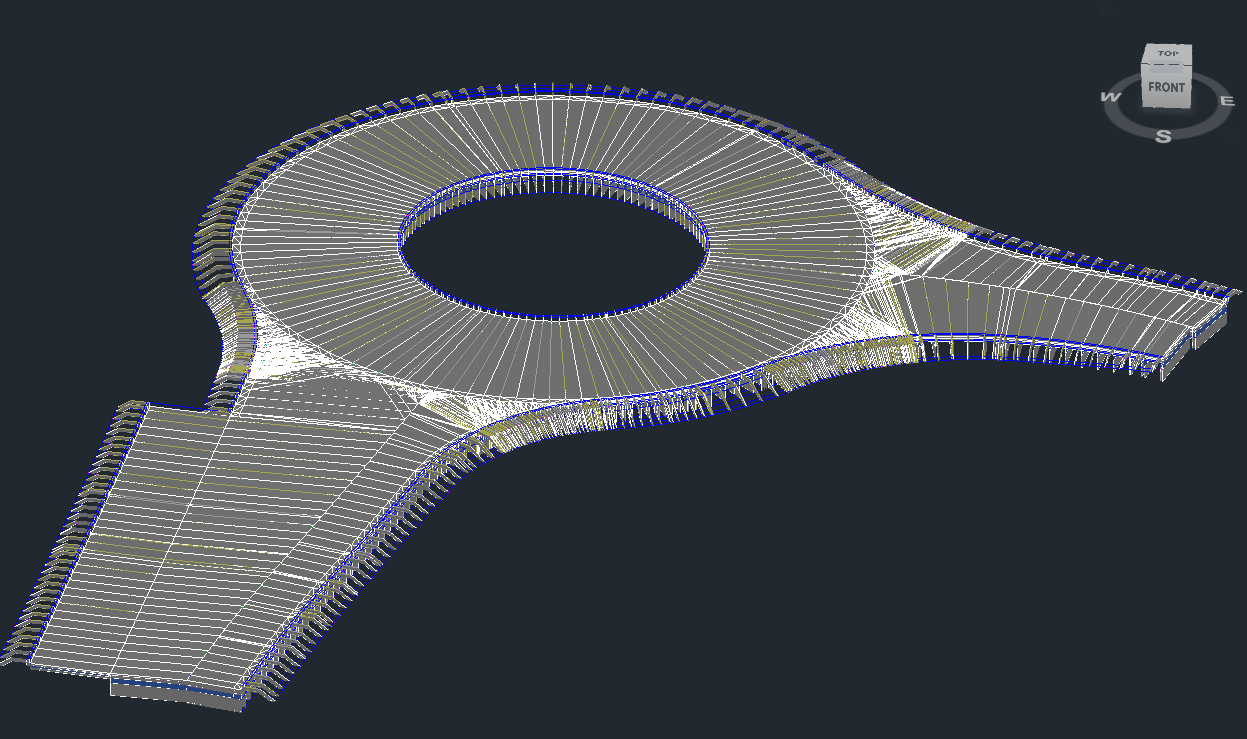
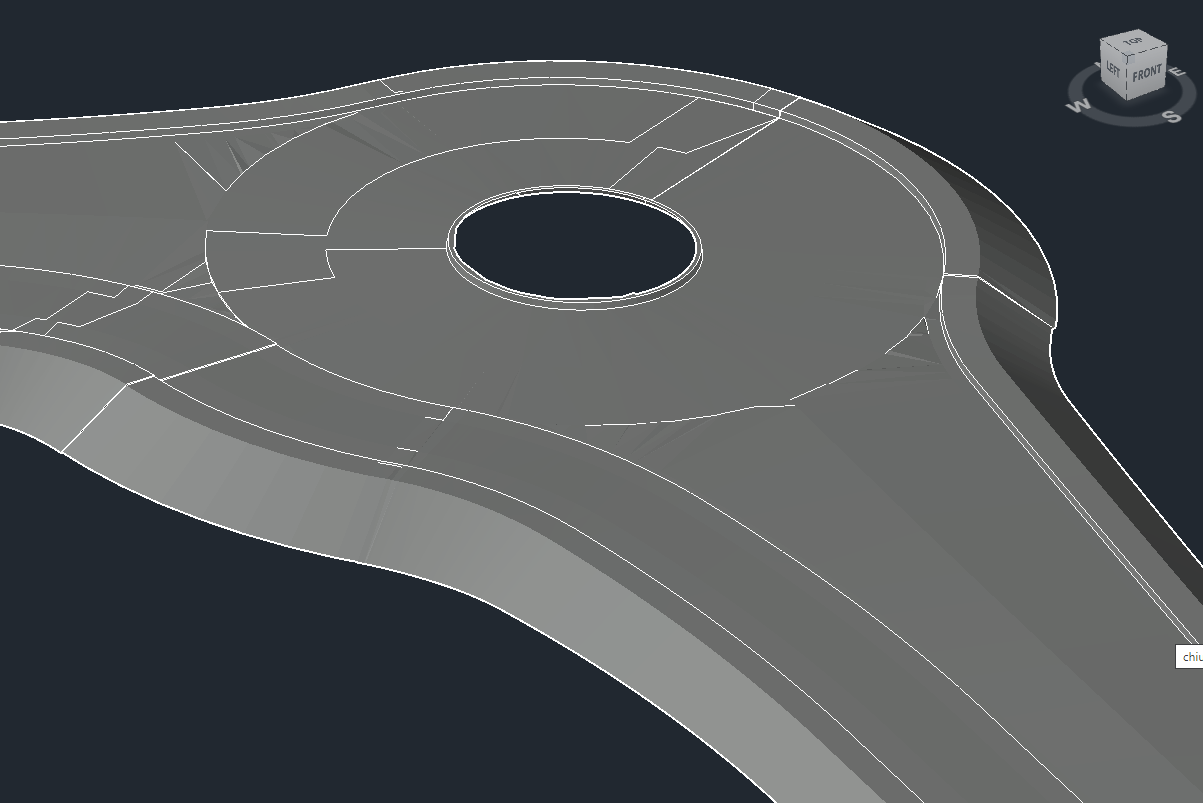
A roundabout is a circular intersection designed to improve traffic flow and safety by eliminating conflict points typical of signalized junctions. Vehicles circulate counterclockwise (in right-hand traffic systems) around a central island, yielding upon entry and exiting at designated radial legs.
Inscribed Circle Diameter (ICD): Typically ranges from 25 to 40 meters for urban single-lane roundabouts.
Entry Deflection: Engineered to reduce vehicle speed and enhance safety.
Splitter Islands: Provide refuge for pedestrians and guide vehicle entry.
Circulatory Roadway Width: Sized to accommodate design vehicle turning paths, often 6–10 meters.
Central Island: May include a truck apron for large vehicle off-tracking.
Reduces severe collisions by up to 75% compared to traditional intersections.
Promotes continuous flow, minimizing delay and fuel consumption.
Accommodates multimodal traffic with pedestrian crossings and cycle lanes.
Pavement: Asphalt or concrete with reinforced subgrade.
Drainage: Perimeter catch basins and central island grading.
Signage & Markings: Yield signs, directional arrows, and high-visibility crosswalks.
Impostazioni privacy
Questo sito utilizza i cookie per migliorare la tua esperienza di navigazione su questo sito.